 Sarasota Siding
 Board & Batten Siding in Bee Ridge: Built for the Neighborhood, Built for the Climate
Bee Ridge sits inland enough to feel a little removed from the beach, but don't let that fool you — this part of Sarasota County still takes a beating from the same forces that hammer the coast. Hurricane-force winds don't stop at the shoreline, intense year-round UV bakes exterior surfaces regardless of zip code, wind-driven rain finds every gap in a poorly detailed wall, and salt air travels farther inland than most homeowners realize. Board and batten siding is one of the most popular exterior looks in Bee Ridge right now, and for good reason — it gives homes a clean, vertical-line, modern-farmhouse look that stands out in a neighborhood full of standard lap siding. But that look only holds up long-term if the material and the installation are matched to what this climate actually does to a house.
This page is about one thing: board and batten siding, done right, for homes in Bee Ridge specifically. Not a general siding overview, not a national buying guide — what this style needs to survive and look good in this part of Sarasota County, year after year.
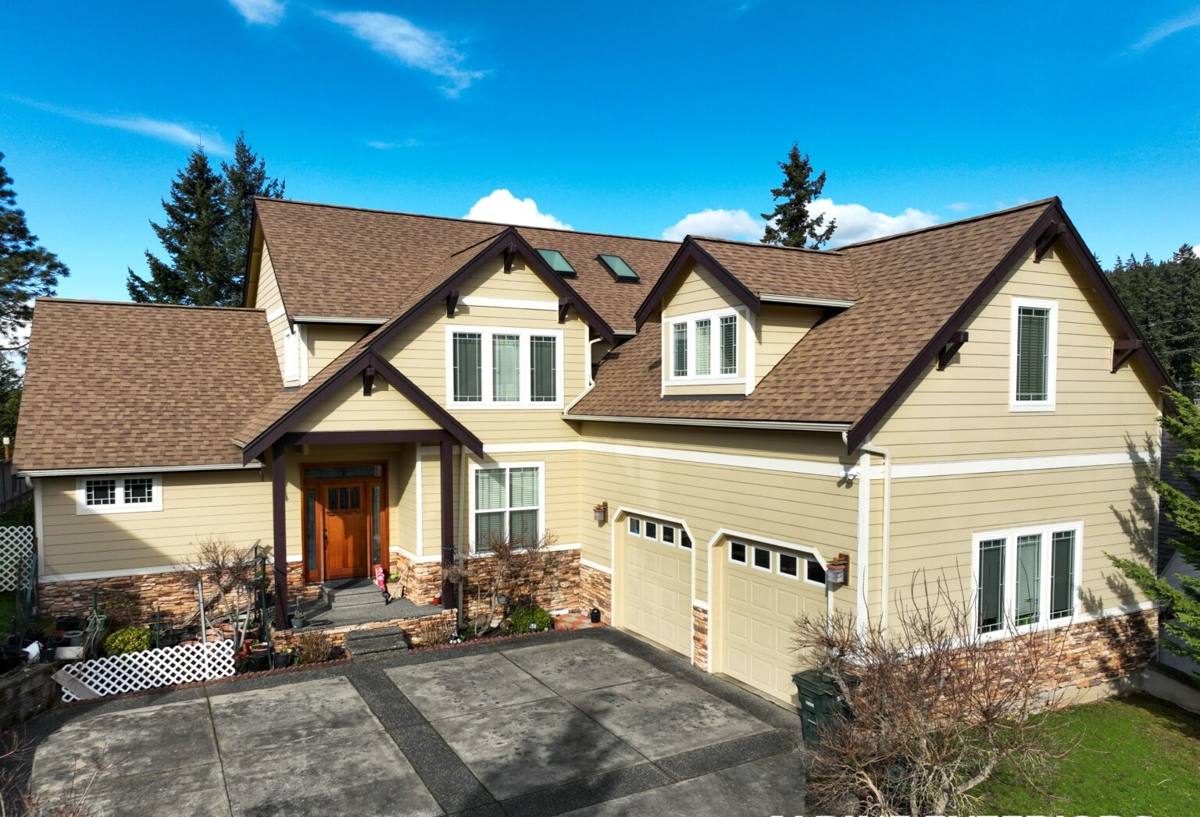
Why Board & Batten Works So Well in Bee Ridge — When It's Done Right
Board and batten is a vertical siding pattern: wide flat panels or boards installed with narrower strips (battens) covering the seams between them. It reads as a bold, architectural statement, and it pairs naturally with the ranch, farmhouse-modern, and transitional home styles common throughout Bee Ridge's mix of established and newer construction. Homeowners like it because it breaks up a flat facade, adds texture without adding busyness, and often gets used as an accent on gables, porches, or entry walls even when the rest of the home keeps traditional horizontal lap siding.
The style itself isn't the risk. The risk is in the details — specifically, how the seams, battens, and butt joints are flashed and fastened. Vertical siding has more places for water to find its way behind the wall than horizontal lap siding does, which means the installation has to be more disciplined, not less, especially with the wind-driven rain this area sees during summer storms and hurricane season.
What Bee Ridge's Climate Actually Does to Exterior Siding
- Hurricane-force wind gusts put direct pressure and suction on every fastener and seam — under-fastened or improperly spaced boards are the first thing to fail.
- Intense, near-constant UV exposure breaks down paint film and cheaper coatings over time, leading to fading, chalking, and eventually cracking on the south and west-facing walls.
- Wind-driven rain doesn't fall straight down — it gets pushed sideways into vertical seams and battens, which is exactly where a rushed install leaves gaps.
- Salt air, even several miles inland, accelerates corrosion on fasteners, trim, and any metal flashing components that aren't rated for a coastal-adjacent environment.
None of this is unique to board and batten — but the vertical seam pattern makes correct detailing more important than it is on a standard horizontal-lap home.
Why We Only Install James Hardie for This Application
We install James Hardie fiber cement exclusively — we don't offer vinyl, LP SmartSide, Cemplank, Allura, primed spruce, or cedar board and batten. That's not a marketing position, it's a standard we've held to because of what we've seen these materials do (and not do) in exactly this kind of climate over time.
Vertical wood-look board and batten in wood, engineered wood, or vinyl each carry real trade-offs in a humid, UV-heavy, storm-prone environment: wood and engineered wood products are moisture-sensitive at the cut edges and seams, which is precisely where board and batten has the most seams per square foot of wall. Vinyl board and batten profiles can warp or distort under sustained high heat and don't offer the crisp, deep shadow lines that make this style look genuinely custom rather than like a manufactured panel.
James Hardie fiber cement is non-combustible, dimensionally stable in heat and humidity swings, and manufactured with HZ5 product lines engineered specifically for high-humidity, hurricane-prone climates like ours. Combined with a factory-applied ColorPlus finish, it holds color and resists the UV breakdown that plagues field-painted materials — which matters enormously on a style like board and batten where the vertical boards catch direct afternoon sun on west-facing walls for hours at a stretch.
How James Hardie Board & Batten Compares
| Factor | James Hardie Fiber Cement | Vinyl | Wood / Engineered Wood |
|---|---|---|---|
| Moisture behavior at seams | Stable, doesn't swell or rot | Stable but can warp under heat | Vulnerable at cut edges and joints |
| UV / fade resistance | ColorPlus factory finish holds color for years | Fades and can chalk over time | Field paint breaks down faster in direct sun |
| Wind / impact resistance | Rated for high-wind, hurricane-prone regions | Can crack or blow off in high wind if underspec'd | Adequate if maintained, but fastening is less forgiving |
| Combustibility | Non-combustible | Combustible | Combustible |
| Maintenance burden | Low — no repainting cycle needed with ColorPlus | Low but limited repair options | Higher — recurring paint/seal maintenance |
| Warranty structure | Strong, transferable manufacturer warranty | Varies widely by manufacturer | Typically limited or none on the material itself |
What Correct Board & Batten Installation Actually Involves
The visual appeal of board and batten is simple. The installation discipline behind it is not. A correct install for a Bee Ridge home involves several details that are easy to skip and hard to notice until years later when water damage shows up:
Weather-Resistive Barrier and Flashing
Every board and batten job starts behind the siding, not at it. A properly lapped weather-resistive barrier, correctly flashed at every window, door, and penetration, is what actually keeps wind-driven rain out of the wall assembly. The siding itself is the second line of defense, not the first — and treating it as the only defense is how humid-climate homes end up with hidden sheathing damage.
Fastening Pattern and Spacing
James Hardie publishes specific fastener schedules for board and batten applications in high-wind zones, and those schedules exist because of storms like the ones Sarasota County sees. Under-fastening — or fastening at the wrong spacing to save time — is one of the most common corners cut on vertical siding jobs, and it's exactly the failure point hurricane-force gusts will find first.
Batten Placement and Seam Coverage
Battens need consistent spacing and enough coverage over the underlying board seams to shed water even under wind pressure, not just under still-air conditions. Inconsistent batten spacing is often a cosmetic tell that corners were cut elsewhere in the install too.
Clearance and Termination Details
Proper clearance from grade, roof lines, decks, and other transitions prevents standing moisture from wicking into the bottom of the boards — a detail that matters more on vertical siding, where the boards run straight down to those transition points.
Our Process for Bee Ridge Board & Batten Projects
- On-site assessment: We look at your home's current siding condition, wall assembly, sun exposure, and any problem areas — not a generic estimate from a photo.
- Product and color selection: We walk you through James Hardie's board and batten profiles and ColorPlus color options suited to Bee Ridge's architectural mix.
- Prep and moisture barrier work: Old siding removal, sheathing inspection, and correct weather-resistive barrier and flashing installation before a single board goes up.
- Installation to manufacturer spec: Fastening, batten spacing, and clearances installed to James Hardie's published requirements for our wind zone.
- Final walkthrough: We review the finished work with you and go over warranty registration.
Why Local Experience in Bee Ridge Matters
A crew that already works in Bee Ridge understands the practical realities of the neighborhood — the mix of home styles, common HOA expectations where they apply, permitting through Sarasota County, and how existing homes in the area were typically built and sided. That local familiarity shortens the guesswork on tie-ins, trim matching, and scheduling around Florida's storm season. It also means a contractor who has actually detailed board and batten seams against the same wind-driven rain and salt air your home faces, not a crew installing it for the first time in this climate.
Signs Your Current Siding Needs Attention
- Visible warping, buckling, or separation at board seams or battens
- Soft spots or discoloration near the base of exterior walls
- Paint that's chalking, peeling, or fading unevenly, especially on south- and west-facing walls
- Gaps opening up around window and door trim
- Any siding that's shifted or come loose after a recent storm
Any of these are worth a look before the next storm season, not after.
What to Expect Cost-Wise
Board and batten costs more per square foot to install correctly than standard lap siding, mainly due to the added labor of batten installation and more precise seam and flashing work. Final cost depends on the size of the area being sided, whether it's a full re-side or an accent application, the condition of the existing wall assembly, and site access. We don't quote sight-unseen — every Bee Ridge project starts with an actual assessment of your home, not a generic per-square-foot number pulled from a website.
Ready to Talk About Your Home?
If you're considering board and batten siding for a home in Bee Ridge, we're happy to come take a look, walk you through James Hardie's options, and give you a straight answer on what your project would actually involve. Fill out the form below for a free, no-pressure estimate.