 Sarasota Siding
 Exterior Work Built for Nokomis's Coastal Climate
Nokomis sits on the Gulf Coast in southern Sarasota County, and homes here take a different kind of beating than houses even twenty miles inland. Between the salt-laden air coming off the water, the intensity of Florida's year-round sun, and the wind and rain that come with hurricane season, exterior materials in this part of the county are under constant stress. What holds up fine on a house in the Midwest can fail within a few years on a home near Nokomis Beach or along the inland waterway.
We work throughout Sarasota County, and Nokomis is one of the areas where we see the clearest evidence of climate-driven exterior damage — siding that's cupped and cracked from moisture cycling, trim that's rotted from the inside out, and paint that's chalked and faded well before its expected life. Understanding why that happens is the first step in choosing exterior materials that actually last here.
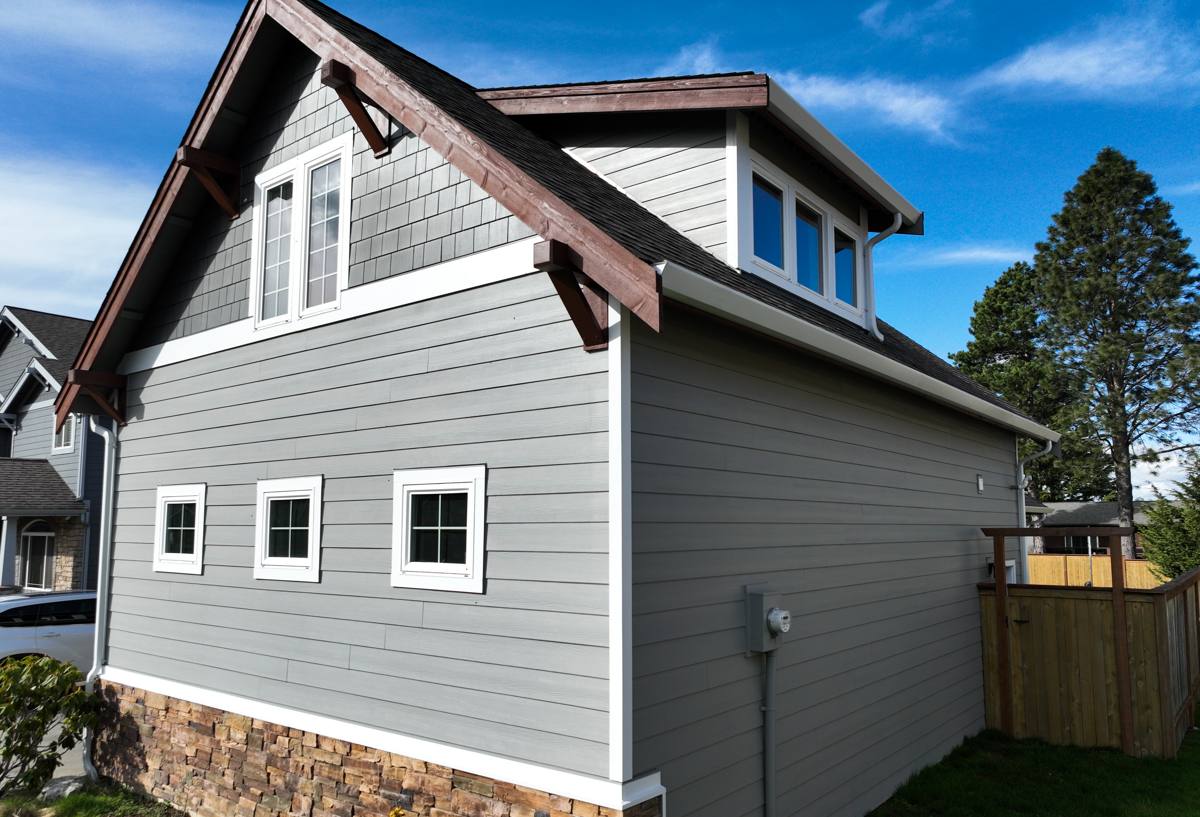
What Nokomis Homes Are Up Against
Salt Air and Humidity
Even homes that aren't directly on the water pick up airborne salt, which accelerates corrosion of fasteners, hardware, and any material that isn't rated for coastal exposure. Combined with Gulf Coast humidity, this creates conditions where moisture gets trapped against exterior walls far more often than in drier climates — which is exactly the environment where wood-based and engineered-wood siding products struggle most.
Intense, Constant UV
Sarasota County gets some of the most sun exposure in the state. Field-applied paint on siding and trim breaks down under that kind of UV load faster than most homeowners expect, which means repainting cycles come around more often — and every repaint is an opportunity for water to find its way behind a coating that's starting to fail.
Wind-Driven Rain and Hurricane Exposure
Nokomis is well within the hurricane-exposure zone for this stretch of Florida's coast. Wind-driven rain during tropical storms and hurricanes doesn't just fall on siding — it gets forced sideways and upward, testing every seam, joint, and piece of flashing on a house. A siding system that isn't installed with proper flashing and clearances will let water in during exactly the kind of storm it's supposed to protect against.
Why the Siding Material You Choose Matters More Here
In a milder climate, the difference between siding products is mostly cosmetic and financial. On the Gulf Coast, the difference is about how the material behaves when it's wet, how it holds paint, and whether it can take repeated cycles of heat, humidity, and storm exposure without breaking down. That's why we made a deliberate decision as a company: we install James Hardie fiber cement siding, and only James Hardie. We don't install vinyl, LP SmartSide, Cemplank, Allura, or primed wood products like spruce or cedar.
That's not a knock on every homeowner who has one of those products on their house today — plenty of them hold up reasonably well when properly maintained. But we've settled on one standard because we'd rather stand behind a single system we know performs consistently in this climate than install several products with different failure points and different maintenance demands.
Where Other Common Siding Products Fall Short Here
Vinyl siding is affordable and low-maintenance in a lot of the country, but it softens and can deform in extreme heat, and high wind events can pry panels loose if they aren't installed and rated correctly for coastal wind zones. It also doesn't offer the impact resistance homeowners often want in a storm-prone area.
LP SmartSide and similar engineered-wood products use a wood-strand core. When that core is properly sealed and maintained, it performs reasonably — but any breach in the factory coating, at a cut edge, a nail hole, or a joint that wasn't caulked correctly, gives humidity a path into the wood fiber. In a low-humidity climate that's a slow problem. In coastal Sarasota County humidity, it can move faster.
Primed wood siding like spruce or cedar requires the most upkeep of all: regular repainting, caulking, and inspection for rot, insect damage, and moisture intrusion. Cedar has real aesthetic appeal, but in a climate this humid and this sun-intense, keeping a wood exterior in good condition is a recurring commitment most homeowners underestimate when they choose it.
Why We Standardized on James Hardie
James Hardie fiber cement is manufactured from cement, sand, and cellulose fiber — it doesn't have the organic wood content that gives moisture and pests something to work with, and it's non-combustible, which matters in a state where wildfire and lightning-strike risk aren't zero. Hardie also engineers specific product lines for different climate zones; the HZ5 formulation is built for regions with more moisture exposure, which fits the Gulf Coast well.
The factory-applied ColorPlus finish is baked on under controlled conditions rather than brushed or sprayed on-site, which gives it more consistent coverage and better UV resistance than field-applied paint — directly addressing the fading and chalking problem that's so common on Sarasota County exteriors. Hardie backs its siding with a strong transferable limited warranty, which also matters to homeowners in Nokomis who may sell within the warranty period.
None of that means Hardie is maintenance-free — it still needs to be caulked, inspected, and occasionally repainted over its life, just on a longer cycle and with more forgiveness for minor lapses than wood-based alternatives.
How Coastal Siding Products Compare
| Material | Moisture Behavior in Humid Coastal Air | UV/Fade Resistance | Combustibility | Typical Maintenance Cycle |
|---|---|---|---|---|
| James Hardie fiber cement | Non-organic core, resists moisture-driven decay | Factory ColorPlus finish, strong long-term retention | Non-combustible | Caulk inspection yearly; repaint on a long cycle if desired |
| Vinyl | Doesn't absorb moisture, but can warp/deform in heat | Fair; can fade or become brittle over time | Combustible | Low, but panels can crack or blow off in high wind |
| LP SmartSide / engineered wood | Vulnerable at breaches in coating or cut edges | Moderate, depends on coating upkeep | Combustible | Regular inspection of seams and caulking |
| Primed wood (cedar, spruce) | Most vulnerable to rot and moisture cycling | Requires frequent repainting | Combustible | Highest — regular repainting and rot inspection |
What Correct Installation Actually Involves
Fiber cement siding only performs as well as its installation. This is where a lot of the real-world problems homeowners run into — with any siding product, including Hardie — actually originate, and it's why installation quality matters as much as the material choice.
Flashing and Water Management
Every window, door, and horizontal joint needs proper flashing so water is directed out and away from the wall assembly, not trapped behind the siding. On a coastal home dealing with wind-driven rain, this detail is the difference between a house that sheds a storm and one that develops hidden rot behind the wall.
Fastening and Clearance
Hardie specifies fastener type, spacing, and placement for a reason — improper fastening is one of the most common causes of premature siding failure. We also maintain proper clearance between siding and grade, roofing, decks, and other surfaces so water and debris don't sit against the bottom edge of the boards.
Caulking and Joint Treatment
Joints and seams get sealed with products compatible with the ColorPlus finish, following Hardie's own installation guidance, so the factory finish and warranty stay intact.
Roofing, Windows, and Decks Face the Same Climate
Siding isn't the only part of a Nokomis home under pressure from this climate — it's just usually the most visible. We also handle roofing, windows, and decks, and the same forces are at work on all of them: UV breaking down roofing materials and seals, wind-driven rain testing window flashing and seals, and salt air and humidity accelerating wear on deck fasteners and framing. When we're on-site for a siding project, we're also looking at how the roofline, window flashing, and any attached deck structures are holding up, because these systems all depend on each other to keep water out of the house.
Signs Your Nokomis Home May Need New Siding
- Visible cupping, warping, or buckling in siding panels or boards
- Paint that's peeling, bubbling, or chalking heavily to the touch
- Soft spots, especially near the bottom of walls or around window and door trim
- Visible cracks, gaps, or separated seams at joints and corners
- Rising utility bills that may point to compromised insulation behind failing siding
- Mold, mildew, or staining that keeps returning after cleaning
- Siding that's more than 20-25 years old, especially wood or older engineered products
What Affects the Cost of a Siding Project in Nokomis
| Factor | Why It Matters |
|---|---|
| Home size and wall complexity | More square footage and more corners, gables, and trim details mean more material and labor |
| Extent of underlying damage | Rotted sheathing or framing found during tear-off needs to be repaired before new siding goes on |
| Hardie product line and profile chosen | Lap siding, shingle-style panels, and board-and-batten carry different material costs |
| Trim and accessory work | Fascia, soffit, and trim replacement alongside siding affects total scope |
| Access and site conditions | Waterfront lots, tight setbacks, or multi-story homes can affect labor time |
We give homeowners a real, itemized number after walking the property — not a rough guess over the phone — because the condition of what's underneath the existing siding matters as much as the square footage.
Why Working With a Local Crew Matters
A contractor based in Sarasota County understands what Nokomis and the surrounding barrier island and mainland neighborhoods actually deal with — the mix of older homes with decades of accumulated exterior wear and newer construction that still needs to meet the same wind and moisture demands. Local crews are also easier to reach for warranty follow-up, and they're accountable to a reputation built in the communities they actually work in, not a territory managed from out of state. That matters when a storm passes through and you need someone who already knows your house.
If you're weighing a siding replacement, or want a second opinion on roofing, windows, or a deck showing wear, we're glad to take a look. Reach out for a free, no-pressure estimate — we'll walk the property, tell you honestly what we find, and lay out your options.