 Sarasota Siding
 Siding Built for University Park's Real Conditions
University Park sits among the mature, well-landscaped communities on the Sarasota County side of the region, and homes here tend to share a common trait: a lot of exterior surface exposed to a genuinely tough climate. Between the tree canopy, the irrigation systems, the humidity, and the wind that comes through even on an otherwise calm afternoon, siding in this neighborhood works harder than most homeowners realize. We've spent years replacing siding on homes throughout Sarasota County, and University Park's combination of upscale curb appeal expectations and demanding weather is exactly the kind of job where product choice and installation quality matter most.
This page walks through what we see on siding jobs in this area, how our process works, and why we install James Hardie fiber cement exclusively rather than the wider range of products other contractors offer.
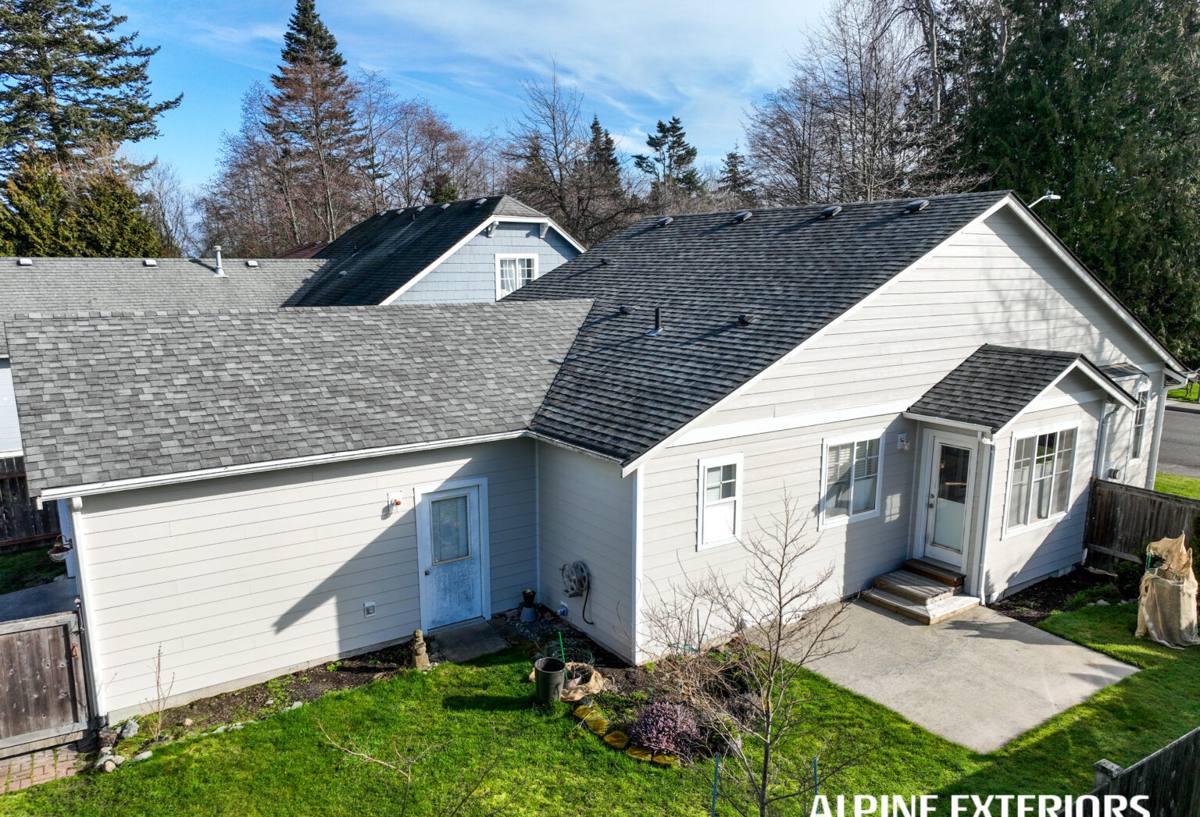
What Sarasota County Weather Does to Siding
Homes in University Park and the surrounding area face a specific combination of stressors that most of the country simply doesn't deal with year-round:
- Hurricane-force wind events: Even homes set back from the coast take direct wind loading and wind-driven debris during tropical systems. Siding has to stay fastened and intact, not just look good on a calm day.
- Wind-driven rain: Sarasota storms rarely fall straight down. Rain gets pushed sideways into wall assemblies, seams, and trim joints, which means water management at the installation level matters as much as the material itself.
- Intense, near-constant UV: Florida sun is relentless almost every month of the year. Paint film breaks down faster here than in most climates, and pigments fade under sustained UV exposure.
- Salt air and humidity: Even at a distance from open water, Sarasota County's air carries salt content that accelerates corrosion of fasteners and stresses coatings, and the ambient humidity keeps moisture in contact with exterior materials longer than drier climates do.
None of these factors are unique to University Park specifically, but they're constants for every home in this part of Sarasota County, and they're the baseline we design every siding installation around.
Why We Install Only James Hardie Fiber Cement
We get asked fairly often why we don't offer vinyl, LP SmartSide, or other fiber cement brands alongside Hardie. The honest answer is that we made a standardization decision years ago after seeing how different products actually perform once they're on a Florida house for a decade or more, not just how they look in a showroom.
What Rules Out Vinyl
Vinyl siding is affordable and easy to install, and in many parts of the country it performs fine. In a hurricane-prone climate, though, vinyl's wind ratings are frequently a limiting factor, it can distort or warp under sustained heat, and its color is built into the material rather than a separate finish layer — so fading is permanent and cannot be refreshed with paint the way fiber cement can. We don't think it's the right long-term investment for a wind-exposed Sarasota County home.
What Rules Out Wood-Based Composite (LP SmartSide) and Other Fiber Cement Brands
LP SmartSide is an engineered wood product — strand board with a resin-saturated overlay. It performs reasonably in drier, more temperate climates, but wood-based siding is inherently more sensitive to sustained moisture exposure than cement-based siding, and Florida's humidity and wind-driven rain are exactly the conditions that stress that sensitivity. Other fiber cement brands, like Cemplank or Allura, are chemically similar to Hardie's product, but we don't install them because we don't have the same long-term field data, factory finish warranty structure, or manufacturer support infrastructure with those brands that we have with Hardie in this region.
What Rules Out Primed Spruce and Cedar
Real wood siding has a genuine aesthetic appeal, and we understand why homeowners are drawn to it. But raw or primed wood requires an ongoing maintenance commitment — recoating, caulking, and moisture monitoring — that most Florida homeowners underestimate until they're a few years in. In a climate with this much humidity and UV, that maintenance burden compounds fast, and the failure mode (rot, insect damage) is expensive to fix once it starts.
Why Hardie
James Hardie fiber cement is non-combustible, dimensionally stable in heat and humidity, and manufactured with ColorPlus Technology — a factory-applied, baked-on finish that resists fading and chipping far better than field-applied paint. Hardie also engineers specific product lines (the HZ5 designation) for high-humidity, high-moisture climates like ours. Combined with a strong transferable warranty, it's the product we're comfortable standing behind on every home we side in this region, including University Park.
Our Siding Process for University Park Homes
1. On-Site Assessment
We start with a walk-around of the home to look at the current siding condition, trim details, moisture points around windows and roof lines, and any areas where past water intrusion may have already caused damage. This is also where we talk through the home's exposure — how much direct sun, wind, and rain contact different elevations get.
2. Product and Profile Selection
Hardie offers multiple siding profiles — lap siding in various reveals, board and batten, shingle-style panels — and a full ColorPlus palette. We help homeowners choose a profile and color that fits the architectural character common in University Park's more established, landscaped streets, without guessing at specific style details we haven't confirmed on site.
3. Removal and Substrate Inspection
Once old siding comes off, we inspect the sheathing and framing underneath for rot, moisture damage, or prior installation shortcuts. This step catches problems that are invisible from the outside and gives us a chance to fix them before new siding goes on top.
4. Weather Barrier and Flashing Detail
This is where a lot of siding jobs succeed or fail long-term, and it's largely invisible once the project is done. Correct house wrap overlap, window and door flashing, and z-flashing at horizontal trim are what actually keep wind-driven rain out of the wall assembly — the siding itself is the last line of defense, not the only one.
5. Installation to Manufacturer Spec
James Hardie publishes specific fastening patterns, clearances, and caulking requirements for high-wind, high-moisture regions. Following that spec exactly — not "close enough" — is what keeps the manufacturer's warranty valid and what actually determines how the siding performs in a named storm.
6. Final Walkthrough
We finish with a walkthrough covering caulk lines, trim, paint touch-up points, and general care going forward.
Siding Comparison at a Glance
| Material | Wind/Storm Performance | Moisture Behavior | Finish Durability | Maintenance Burden |
|---|---|---|---|---|
| James Hardie Fiber Cement | Strong, engineered for high-wind zones | Non-combustible, dimensionally stable | Factory-baked ColorPlus finish | Low |
| Vinyl | Variable, can be wind-rating limited | Doesn't rot, but can warp under heat | Color molded in, fades permanently | Low, but no refresh option |
| LP SmartSide (engineered wood) | Generally solid when installed correctly | More moisture-sensitive than cement | Field or factory finish, varies | Moderate |
| Primed Spruce/Cedar | Depends heavily on maintenance state | Most moisture-sensitive option | Requires ongoing recoating | High |
This table reflects general product characteristics, not warranty claims from any specific manufacturer. Actual performance always depends on installation quality as much as the material itself.
Siding Isn't the Only Thing Sarasota Weather Attacks
Most of the homes we work on in University Park need more than one exterior system addressed at some point, because wind, UV, and rain don't stop at the wall line. We also handle:
- Roofing — the first surface hit by wind uplift and driving rain, and often where hidden leaks originate before they ever show up on siding or interior walls.
- Windows — a major point of air and water intrusion if seals or flashing have degraded, and a direct contributor to energy costs in a climate that runs air conditioning nearly year-round.
- Decks — outdoor living structures that take direct sun and moisture exposure and need materials and fasteners suited to that same environment.
Because we handle all four systems, we can look at a home holistically instead of quoting siding in isolation while a roofing or window issue is quietly causing the moisture problem underneath.
What to Ask Before Hiring a Siding Contractor
Whether or not you hire us, University Park homeowners should go into any siding project with a clear checklist:
- Is the contractor a certified or experienced installer of the specific product being proposed?
- Will they follow the manufacturer's published fastening and flashing spec for high-wind regions, in writing?
- What does the workmanship warranty cover, separate from the manufacturer's material warranty?
- Are they pulling the required local permits, and are they licensed and insured in Florida?
- Will they inspect and repair damaged sheathing before installing new siding, not just cover it?
- Can they explain, in plain terms, why they recommend one product over another for this specific climate?
A contractor who can't answer these clearly is worth a second look before you sign anything.
Why a Local Crew Matters in This Market
Sarasota County's building codes and wind-load requirements reflect its hurricane exposure, and a crew that installs siding here regularly knows those requirements without having to look them up mid-project. Local experience also means we've seen how different products and installation shortcuts hold up over years of real Gulf Coast weather, not just how they perform in a controlled test. That matters more in University Park and the rest of Sarasota County than it does almost anywhere else in the country.
If your home's siding is showing its age, or you're planning ahead of the next storm season, we're happy to take a look and talk through honest options — no pressure, no obligation. Reach out for a free estimate using the form below.