 Sarasota Siding
 Why Venice Homes Need a Different Approach to Siding
Venice sits on Sarasota County's Gulf Coast, and that location shapes everything about how a home's exterior ages here. Between barrier island humidity, salt-laden air pulled in off the water, and a hurricane season that runs a full six months of the year, the siding on a Venice home works harder than siding almost anywhere else in the country. Homeowners who move here from inland states are often surprised at how quickly an exterior that wasn't built for this climate starts to show it — chalking paint, soft trim, swelling seams, and streaks that won't scrub off.
We install exterior siding, roofing, windows, and decks across Sarasota County, and Venice is one of the areas where we see the clearest gap between products that are "rated" for coastal use and products that actually hold up to it year after year. This page walks through what Venice's climate does to a home's exterior, what we install and why, and how our process is built around this specific coastline.
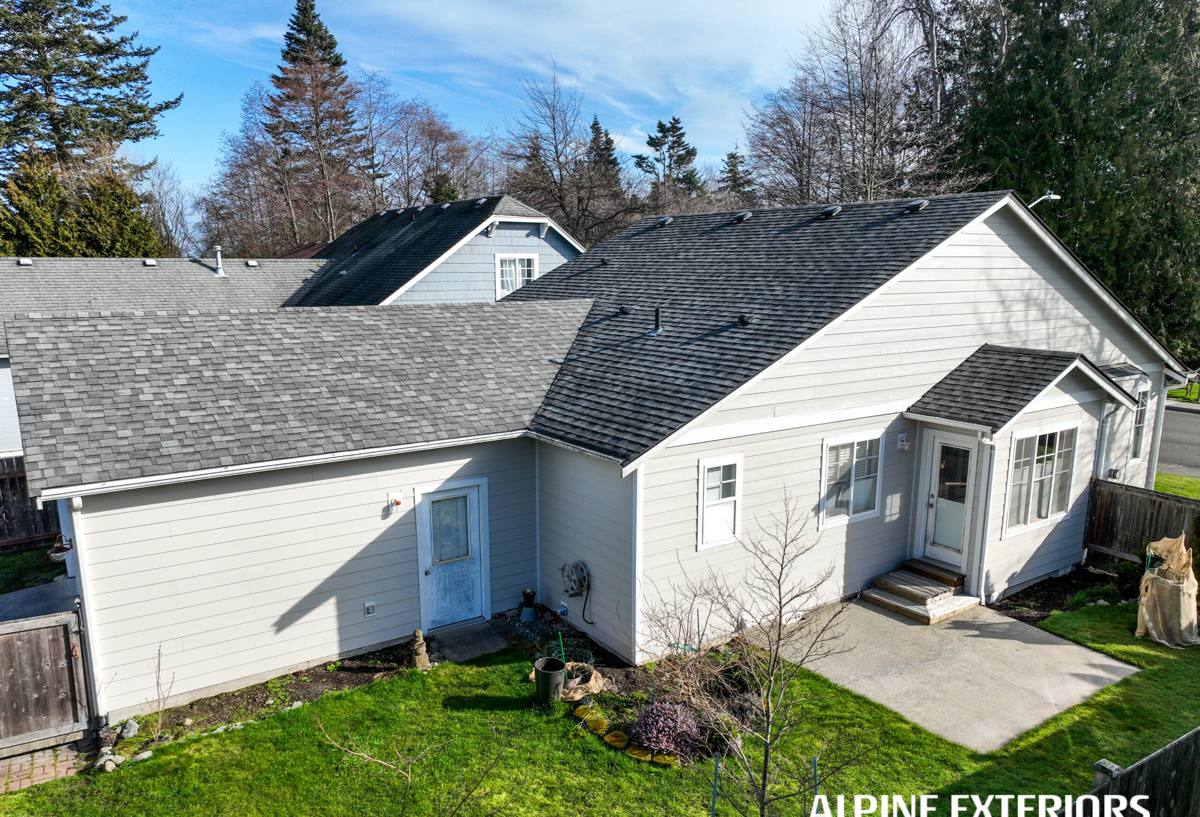
What the Climate Actually Does to a House Here
Hurricane and Tropical Storm Winds
Venice sits in a hurricane-prone stretch of the Gulf Coast, and even in years without a direct hit, tropical systems and strong seasonal storms send sustained wind and gusts through the area. Siding doesn't just need to survive the wind itself — it needs fasteners, laps, and trim details that stay tight through repeated flexing, because a panel that loosens slightly in one storm is far more vulnerable in the next one.
Wind-Driven Rain
Florida storms rarely deliver rain straight down. Wind-driven rain gets pushed sideways into wall assemblies, working into laps, seams, and any gap around windows, doors, or penetrations. A siding system that isn't detailed correctly at those transition points will let moisture behind the cladding long before the siding itself looks damaged from the outside — which is why installation quality often matters as much as the product choice.
Intense, Year-Round UV
Sarasota County gets strong sun exposure essentially every month of the year, not just in summer. UV breaks down pigments and surface coatings over time, which is why so many homes in this area show fading, chalking, or a dull haze on siding and trim well before the material itself has failed structurally. Finish quality — not just the substrate underneath it — is a major factor in how a house looks after a decade in this sun.
Salt Air
Venice's proximity to the Gulf means salt is in the air even outside of storm events, and it settles on every exterior surface. Salt accelerates corrosion in fasteners and metal components and can degrade certain coatings and substrates faster than it would inland. Homes closer to the water feel this most, but it's a factor across the whole area, not just on the immediate coastline.
Humidity and Moisture Cycling
Sarasota County's humidity keeps building materials in a near-constant state of absorbing and releasing moisture. Products that swell, warp, or hold water are at a real disadvantage here, because that cycling never really stops the way it does in drier or more seasonal climates.
Why We Only Install James Hardie Fiber Cement
We made a deliberate decision to install exclusively James Hardie fiber cement siding — not vinyl, not LP SmartSide or other engineered wood products, not primed spruce or cedar, and not other fiber cement brands like Cemplank or Allura. That's not a marketing position; it's a standard we hold because of what we've seen happen to exteriors in this specific climate over time.
What Rules Out the Alternatives, In This Climate
- Vinyl siding can warp or distort in extreme heat and is more vulnerable to wind uplift and impact damage in high-wind events. It also fades over time under intense, sustained UV exposure, and color options are baked into the material rather than factory-finished with a dedicated coating system.
- Engineered wood products (like LP SmartSide) use wood strand substrates that are more sensitive to sustained moisture exposure than fiber cement. In a humid, storm-prone coastal environment, that's a meaningful long-term maintenance consideration, even with treated substrates.
- Primed spruce or cedar requires ongoing painting and moisture management that's difficult to keep up with in Gulf Coast humidity and salt air, and untreated wood is combustible in a way fiber cement is not.
- Other fiber cement brands are a closer comparison, since the base material category performs similarly to Hardie's. Our decision there comes down to product engineering for Florida's climate specifically, factory-finish quality and consistency, and the strength and clarity of the transferable warranty behind the product.
What James Hardie Gets Right for This Coast
James Hardie fiber cement is non-combustible, dimensionally stable in humidity, and resistant to moisture-driven swelling and warping in a way engineered wood and some vinyl products aren't. Hardie also builds climate-specific product lines — its HZ5 formulation is engineered for hot, humid climates like ours, with attention to moisture and cracking resistance suited to exactly the conditions Venice deals with. The ColorPlus factory finish system applies coating in a controlled environment and backs it with its own finish warranty, which addresses the fading and chalking issue that plain field-painted products struggle with under Florida sun.
Comparing Siding Materials for a Venice, FL Home
| Factor | James Hardie Fiber Cement | Vinyl | Engineered Wood | Primed Wood/Cedar |
|---|---|---|---|---|
| Wind resistance (properly installed) | Strong | Moderate | Moderate | Moderate |
| Moisture/humidity tolerance | Strong | Strong | Moderate | Weak without upkeep |
| UV fade resistance | Strong (factory finish) | Moderate | Depends on paint | Depends on paint |
| Combustibility | Non-combustible | Combustible | Combustible | Combustible |
| Ongoing maintenance | Low | Low | Moderate | High |
| Typical repaint interval | None needed with ColorPlus | N/A (color molded in) | 5-10 years | 3-7 years |
This is a general comparison, not a guarantee of performance — actual results depend heavily on installation quality, product line, and site-specific exposure. It's a starting point for a conversation, not a substitute for one.
How We Approach Roofing, Windows, and Decks for This Same Climate
Siding doesn't work in isolation — it's one part of a building envelope that also includes the roof, windows, and any exterior structures like decks, and all of them face the same wind, UV, rain, and salt exposure. When we're on a Venice property for a siding project, we look at the whole exterior with that in mind.
Roofing
A roof that isn't properly sealed and flashed is one of the most common sources of the wind-driven rain intrusion we mentioned earlier, and it's worth checking alongside siding rather than treating as a separate problem later.
Windows
Window flashing and sealant details are a frequent failure point in coastal Florida homes, particularly where trim meets siding. We pay close attention to these transitions during a siding project rather than treating them as someone else's scope.
Decks
Outdoor decks in Venice face direct UV and moisture exposure with none of the protection a wall assembly gets from siding, so material choice and fastener quality matter even more there.
Why a Local Crew Matters in Venice
Coastal Sarasota County has its own building code considerations tied to wind zones and its position relative to the Gulf, and a crew that works this area regularly knows how those requirements typically apply to a project before the permitting conversation even starts. Local experience also means knowing how a house a few blocks from the water tends to weather differently than one further inland, and adjusting product lines and installation details accordingly. A crew that's actually worked on homes throughout Sarasota County — not just passed through on a single job — brings that judgment to every estimate.
What to Expect From a Siding Project Here
Before You Commit, Ask
- What Hardie product line and profile is being specified, and is it appropriate for this specific exposure?
- How will laps, seams, and trim be detailed to manage wind-driven rain?
- What fastener spec is being used, and is it appropriate for the wind zone?
- What does the manufacturer's transferable warranty actually cover, and for how long?
- Is the crew installing to James Hardie's published specifications, including clearances and fastening patterns?
Cost Factors Worth Understanding
| Factor | Why It Affects Cost |
|---|---|
| Home size and wall complexity | More corners, dormers, and trim details mean more labor and material cuts |
| Existing siding removal | Tear-off and disposal of old material adds labor beyond a straightforward install |
| Product line and profile | HZ5 lines and certain plank profiles or textures vary in material cost |
| Substrate condition | Water damage or rot found underneath existing siding requires repair before installation |
| Trim and accessory scope | Fascia, soffit, and trim replacement alongside siding changes overall project cost |
Get a Free, No-Pressure Estimate
If you're weighing a siding project on a Venice home — or dealing with a roof, windows, or a deck that's showing what Gulf Coast weather does over time — we're happy to take a look and walk you through what we're seeing and what your real options are. There's no pressure and no obligation, just an honest assessment from a crew that works this coastline. Fill out the form below to schedule a free estimate.