 Sarasota Siding
 Exterior Work in Bradenton Comes With Its Own Set of Problems
Bradenton sits on the Gulf Coast in Manatee County, right next door to Sarasota, and the two areas share the same weather punch list: hurricane-force wind events, year-round UV that doesn't let up in winter the way it does farther north, wind-driven rain that gets pushed sideways into wall assemblies during storms, and salt-laden air moving in off the water. None of that is unique to one street or one neighborhood — it's the baseline for anything built along this stretch of coastline, and it's the reason exterior materials that hold up fine in a drier, cooler climate often don't hold up here.
When we work on a home in the Bradenton area, we're accounting for all four of those stressors at once, not just picking a siding color and moving on. That's true whether we're replacing siding, doing roof work, swapping out windows, or building a deck.
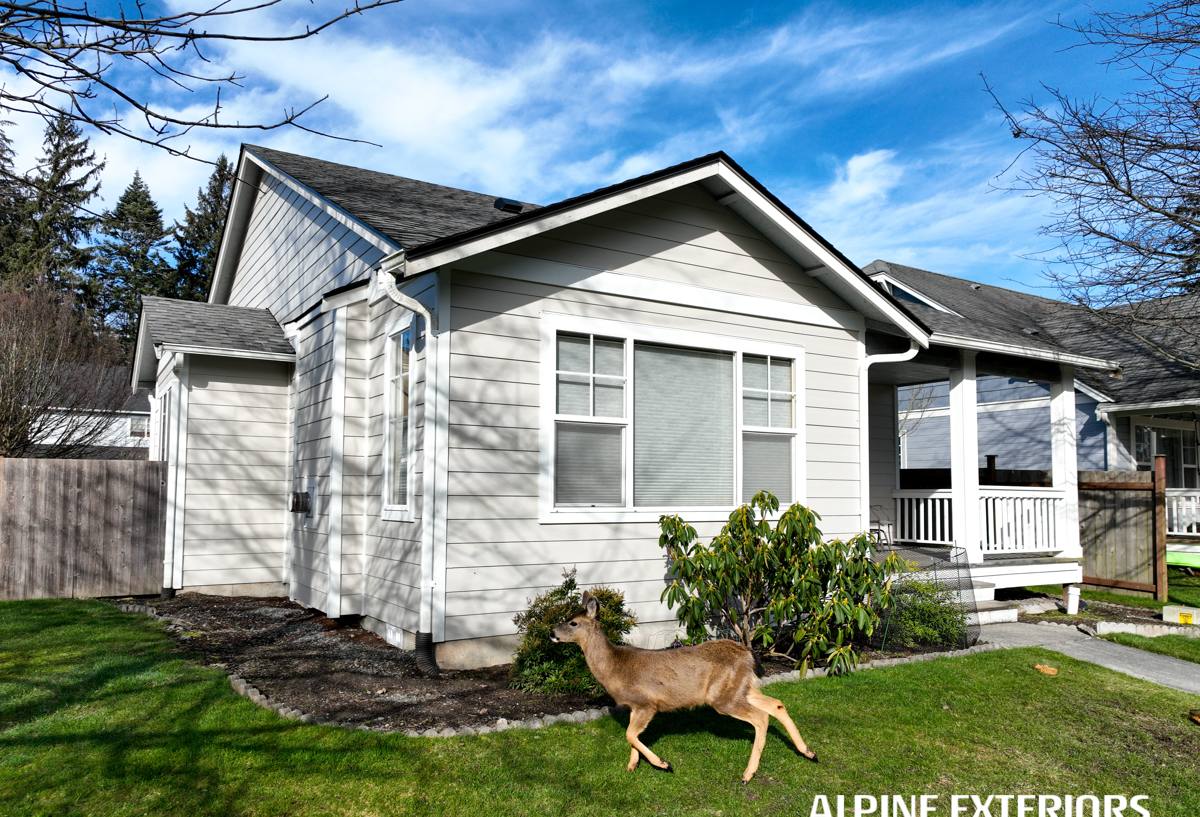
What Bradenton's Climate Actually Does to a House
Wind and Storm Exposure
This part of the Gulf Coast sits in a wind-borne debris region, which means building codes here already assume storms are part of the deal. Siding that isn't rated for local wind pressures, or that isn't installed with the correct fastening schedule, is the first thing to peel, crack, or blow off in a serious wind event. Wind-driven rain is just as much of a problem as the wind itself — during a tropical storm or hurricane, rain doesn't fall straight down, it gets forced horizontally into every seam, joint, and gap in the exterior envelope.
Sun, Humidity, and Salt Air
Florida sun is relentless on painted and coated surfaces. UV breaks down pigment and resin over time, which is why paint jobs in this climate fade and chalk faster than they would up north. Add in humidity that stays high most of the year and salt air moving inland from the Gulf and Tampa Bay, and you've got a combination that accelerates corrosion on fasteners and trim, feeds mold and mildew growth on anything that stays damp, and stresses caulk and sealant joints until they fail early.
Why the Siding Product You Pick Matters More Here Than Elsewhere
In a milder climate, the gap between a mediocre siding product and a good one might show up as a cosmetic issue a decade or two down the road. On the Gulf Coast, that gap shows up faster and in more serious ways — moisture intrusion behind panels, fastener corrosion, paint failure, and in the worst cases, siding that simply doesn't stay attached to the wall during a wind event. That's the lens we use when we recommend a product, and it's why we standardized on one material rather than offering a menu of options with different risk profiles.
Why We Install Only James Hardie Fiber Cement Siding
We don't install vinyl, LP SmartSide, Cemplank, Allura, or primed wood siding like spruce or cedar. That's not a marketing position — it's a decision based on how those products actually perform over time in a hot, humid, storm-prone coastal climate, and on the fact that we'd rather stand behind one system we trust completely than juggle several with different failure modes. James Hardie fiber cement is what we put on homes instead.
Non-Combustible and Built for Wind
Fiber cement is made from cement, sand, and cellulose fibers, which makes it non-combustible — a real advantage in a state where wildfire and lightning-strike risk exist alongside hurricane risk. It's also dense and rigid enough to handle high wind pressures when installed with Hardie's specified fastening pattern, which matters directly for a wind-borne debris region like this one.
ColorPlus Factory Finish
Instead of field-painted siding that starts breaking down under UV exposure within a few years, Hardie's ColorPlus finish is baked on in a controlled factory environment, giving it better fade and chip resistance than most job-site paint applications. That matters a lot here, where sun exposure is constant and touch-up painting on a house is nobody's idea of a good weekend.
HZ5 Product Line, Engineered for This Climate
James Hardie makes climate-specific product lines, and the HZ5 line is engineered for hot, humid, high-moisture regions like Florida's Gulf Coast — different moisture and durability engineering than the version of the same product sold in a dry climate. We use the HZ5 line on Bradenton-area homes because it's built for the actual conditions the siding will face, not a generic national spec.
What Correct Installation Actually Involves
Even the best siding product fails early if it's installed wrong, and installation quality is where a lot of Florida siding problems actually originate — not the material itself. On every job we handle the details that determine whether siding survives its first serious storm:
- Proper fastener type, spacing, and embedment depth for local wind load requirements
- Correct flashing and weather barrier detailing around windows, doors, and penetrations
- Manufacturer-specified clearances between siding and roof lines, decks, and grade
- Properly caulked and sealed joints, seams, and butt ends
- Ventilation behind the cladding so moisture that does get in can dry out
Skipping any one of these doesn't necessarily show up on day one — it shows up two or three years later as a leak, a soft spot, or siding that comes loose in a storm that a correctly installed system would have shrugged off.
Siding Is Only Part of the Envelope
We also handle roofing, windows, and decks, and on the Gulf Coast those trades are more connected than homeowners sometimes realize. A house is only as storm-ready as its weakest component — new siding paired with an aging roof or old, leak-prone window flashing doesn't actually solve the wind and water problem, it just moves it somewhere else. When we're on-site for a siding project, we're also looking at how the roofline, window openings, and any attached deck or porch structure interact with the wall assembly, because that's where a lot of real-world water intrusion actually starts.
Cost Factors for Bradenton Homeowners
Every home is different, but the same handful of variables drive most of the cost difference between siding projects in this area. A written, itemized estimate after an on-site look is the only way to get real numbers — the table below is meant to explain what moves the price, not to quote one.
| Factor | Why It Affects Cost |
|---|---|
| Home size and wall complexity | More square footage and more corners, gables, and dormers mean more cutting, fitting, and labor time |
| Removal of existing siding | Tear-off, disposal, and any sheathing repair found underneath add time before new siding can go up |
| Number of stories | Second-story and multi-story work requires more scaffolding, staging, and safety setup |
| Trim, soffit, and fascia condition | Rotted or storm-damaged trim components often need replacement alongside the siding itself |
| Hardie product line and profile | Lap width, texture, and color selection affect material cost within the Hardie system |
| Local permitting and inspections | Manatee and Sarasota county permitting requirements add administrative time built into the schedule |
Living With Fiber Cement Siding in a Coastal Climate
Correctly installed James Hardie siding is genuinely low-maintenance compared to wood or vinyl, but "low-maintenance" doesn't mean "no maintenance" anywhere near the Gulf. A little seasonal attention goes a long way toward getting the full lifespan out of the material:
- Rinse the siding periodically to clear salt residue, pollen, and airborne grime, especially on homes closer to the water
- Walk the exterior after major storms and look for cracked panels, loose trim, or damaged caulk joints
- Keep an eye on caulking around windows, doors, and siding seams, and have it renewed before it fully fails
- Trim back vegetation and irrigation spray that keeps siding constantly damp in one spot
- Check that gutters and downspouts are directing water away from the wall base, not soaking it
Why a Local Crew Matters
Manatee and Sarasota county permitting offices, local wind-load requirements, and the practical realities of scheduling around Florida's storm season are all things a crew that works this area regularly understands without having to relearn them on your job. A contractor unfamiliar with coastal Gulf Coast construction can still do competent work in a milder climate and still get caught off guard by the details that matter here — fastening schedules, flashing details, and product lines that are actually rated for this exposure. When you're vetting anyone for exterior work in Bradenton, ask directly about their experience with hurricane-zone installation requirements and how they handle permitting in Manatee and Sarasota counties.
If you're weighing siding, roofing, window, or deck work on a Bradenton-area home, we're happy to take a look and put together a straightforward, no-pressure estimate — no obligation, just an honest read on what your exterior actually needs. Use the form below to get started.