 Sarasota Siding
 Lakewood Ranch's Exterior Challenge
Lakewood Ranch sits inland from Sarasota Bay, but "inland" doesn't mean protected. Homes here still take a beating from the same forces that hit the coastline: hurricane-force wind gusts during tropical systems, wind-driven rain that finds every gap in a poorly sealed exterior, and relentless UV exposure nearly 365 days a year. Add in the humidity that never really lets up and the salt air that drifts further inland than most homeowners realize, and you've got a climate that is genuinely hard on building materials.
What makes Lakewood Ranch a little different from older Sarasota neighborhoods is the housing stock itself. A lot of homes here were built over the last two decades, often with builder-grade exterior materials chosen to hit a price point rather than to last thirty years in Florida weather. That means many homeowners are now hitting the point where original siding, roofing, and windows are due for a real evaluation — not because anything failed catastrophically, but because caulk lines are cracking, paint is chalking, and moisture is starting to find its way in around trim and penetrations.
We work across Sarasota County, and Lakewood Ranch is a regular part of our service area. We show up knowing the wind load requirements, the humidity, and the kind of sun exposure a west-facing wall takes here — and we build our recommendations around that, not around a generic national playbook.
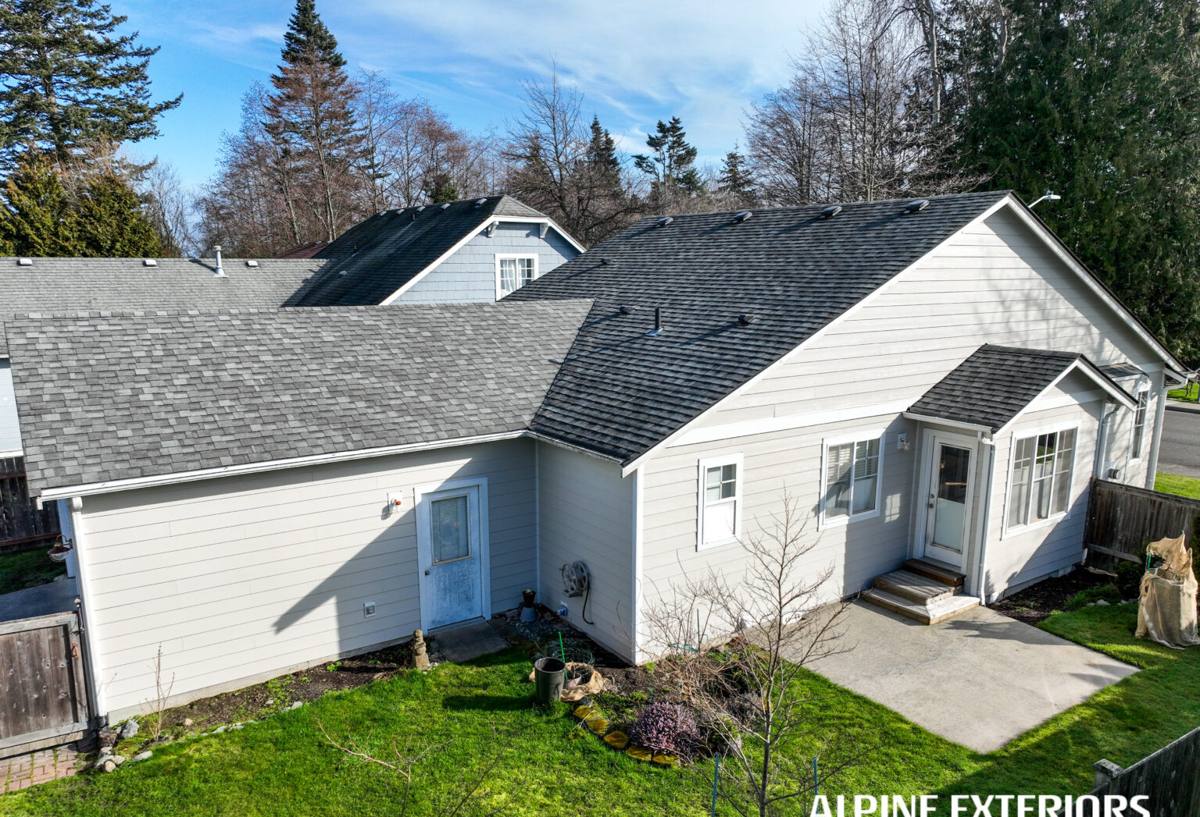
Siding: Why We Install James Hardie and Nothing Else
This is the most important decision on any siding project, so we'll be direct about it: we only install James Hardie fiber cement siding. We don't install vinyl, LP SmartSide, Cemplank, Allura, or primed wood products like spruce or cedar. That's not because those products don't have a place in the market — it's because after years of doing exterior work in this climate, we don't think they hold up the way Florida homeowners expect them to, and we'd rather stand behind one system we trust completely than offer several we have reservations about.
What Concerns Us About the Alternatives
Vinyl siding is affordable and easy to install, but it softens, warps, and can visibly sag or buckle when it's exposed to sustained high heat and direct sun — exactly what a lot of Lakewood Ranch elevations get. It's also more vulnerable to cracking on impact and tends to fade faster under intense UV than a factory-baked finish.
Engineered wood products like LP SmartSide use a resin-treated wood strand core, which performs reasonably well in drier climates but is inherently more sensitive to sustained moisture exposure than fiber cement — a real concern given how much wind-driven rain this area sees during tropical weather.
Other fiber cement brands, like Cemplank and Allura, are legitimate fiber cement products on paper. Our issue isn't the base material — it's that we've standardized our crews, our warranty relationships, and our installation training entirely around one manufacturer's system. Mixing brands means mixing trim details, fastening specs, and finish warranties, and we'd rather be excellent at one system than average across several.
Primed spruce or cedar siding can look great initially, but it requires an ongoing paint and caulk maintenance schedule that most homeowners underestimate, and in a climate this humid, unpainted or under-maintained wood siding is an invitation for rot.
Why Hardie Fits This Climate
James Hardie fiber cement is non-combustible, dimensionally stable in heat and humidity, and engineered specifically for hot, wet climates through its HZ10 product line, which is formulated for regions like ours. The ColorPlus factory finish is baked on under controlled conditions, which gives it significantly better fade and wear resistance than field-applied paint, and it comes with a real, transferable limited warranty — useful if you sell the home down the road. It won't rot, it resists pests, and it holds paint-quality color for far longer than raw wood or vinyl.
Roofing for Lakewood Ranch Homes
Your roof is your first line of defense against both wind uplift and wind-driven rain, and it works hand in hand with your siding and windows to keep water out of the building envelope. In this area, we pay close attention to a few things that matter more here than in milder climates:
- Proper underlayment and sealed roof deck to resist wind-driven rain intrusion during tropical storms
- Flashing details at valleys, penetrations, and roof-to-wall transitions, which is where most Florida roof leaks actually start
- Wind-rated shingle or tile installation that meets Sarasota County's building code requirements
- Attic ventilation, since poor ventilation combined with Florida heat accelerates shingle aging from underneath
A roof replacement is also a natural time to address siding, trim, and window flashing at once, since scaffolding and access are already in place — it's often the most cost-efficient way to tackle multiple exterior projects together.
Windows: Sealing Out Wind-Driven Rain
Wind-driven rain is one of the most underestimated threats to Florida homes. It doesn't take a hurricane — a strong afternoon storm with sideways rain can push water past poorly sealed or aging window installations. We evaluate window performance on three fronts: the impact rating and wind-load performance of the window unit itself, the quality of the flashing and sealant work around the frame, and how well the window integrates with the siding and weather barrier around it. A great window installed with sloppy flashing will still leak. We treat window replacement as an exterior envelope project, not just a swap-the-glass job.
Decks: Built for Sun, Humidity, and Salt Air
Outdoor living is a big part of why people choose Lakewood Ranch, and decks here take a different kind of punishment than siding or roofing — constant sun exposure on the surface, humidity underneath, and, depending on proximity to the water, some salt air exposure that accelerates corrosion on fasteners and hardware. We build and repair decks with attention to proper ledger board flashing (a common source of hidden rot), corrosion-resistant fasteners, and decking materials chosen for UV and moisture performance rather than just upfront cost.
Why a Local Crew Matters Here
Lakewood Ranch has its own permitting requirements through Sarasota County, and depending on your specific community, there may also be HOA architectural review guidelines that govern siding colors, trim profiles, or roofing materials. A crew that only works in this area knows to check those requirements before a project starts, not after a permit gets flagged or an HOA sends a letter. We also know how Sarasota County's wind zone requirements affect fastening schedules and material specs — details that a crew unfamiliar with the area might miss or apply generically.
Beyond code knowledge, there's a practical reliability factor. A local crew can respond faster if something needs a follow-up visit, and we're not disappearing to the next state once the job wraps.
What Drives Cost on These Projects
| Factor | Why It Matters in Lakewood Ranch |
|---|---|
| Home size and elevation complexity | More corners, gables, and trim details mean more labor and material |
| Material choice | James Hardie siding lines vary in plank profile and finish; roofing materials vary in wind rating |
| Existing damage or moisture intrusion | Hidden rot behind old siding or flashing adds repair scope once walls are opened |
| HOA-mandated colors or profiles | Some communities restrict material options, which can affect pricing |
| Wind zone and code requirements | Sarasota County fastening and flashing specs affect labor time regardless of material |
| Access and site conditions | Landscaping, fencing, or tight lot lines can add setup time |
Vetting a Contractor for This Kind of Work
- Confirm active Florida licensing and insurance, and ask to see it — don't just take their word for it
- Ask specifically what siding, roofing, and window brands they install, and why
- Ask how they handle Sarasota County permitting and HOA architectural approval, if applicable
- Get a written scope that details flashing, underlayment, and fastening specs, not just "install siding"
- Ask about warranty coverage on both materials and labor, and get it in writing
- Be wary of any contractor pushing you toward the cheapest material option without discussing long-term performance
How We Approach a Lakewood Ranch Project
We start with an on-site evaluation of your current siding, roofing, windows, and any deck structures, looking specifically for signs of moisture intrusion, UV degradation, and wind damage that might not be obvious from the ground. From there, we walk through material options — always starting with James Hardie for siding — and build a scope that addresses flashing and water management at every transition point, not just the visible surface material. We handle the permitting and, where applicable, coordinate with HOA requirements before work begins, so there are no surprises mid-project.
If you're in Lakewood Ranch and dealing with aging siding, a roof that's due for inspection, windows that let in more than light, or a deck that's seen better days, we're happy to take a look. Reach out for a free, no-pressure estimate — someone will walk your property, answer your questions honestly, and give you a clear picture of what your home actually needs.