 Sarasota Siding
 Exterior Work in Laurel Park, Sarasota
Laurel Park is one of Sarasota's older, established in-town neighborhoods, sitting close enough to downtown and Sarasota Bay that its homes take the full brunt of what a barrier-island climate throws at a house. A lot of the housing stock here predates modern building codes, which means the exterior systems on these homes were often never designed for the wind loads, humidity, and UV exposure that Sarasota County sees today. When we work in Laurel Park, we're usually looking at a home that has been re-sided, re-roofed, or patched more than once, and the goal is to finally put a system on it that's actually built for this environment instead of one more short-term fix.
This page covers how siding, roofing, windows, and decks hold up in this part of Sarasota, and why we install only James Hardie fiber cement siding on the homes we side — not vinyl, not LP SmartSide, not wood.
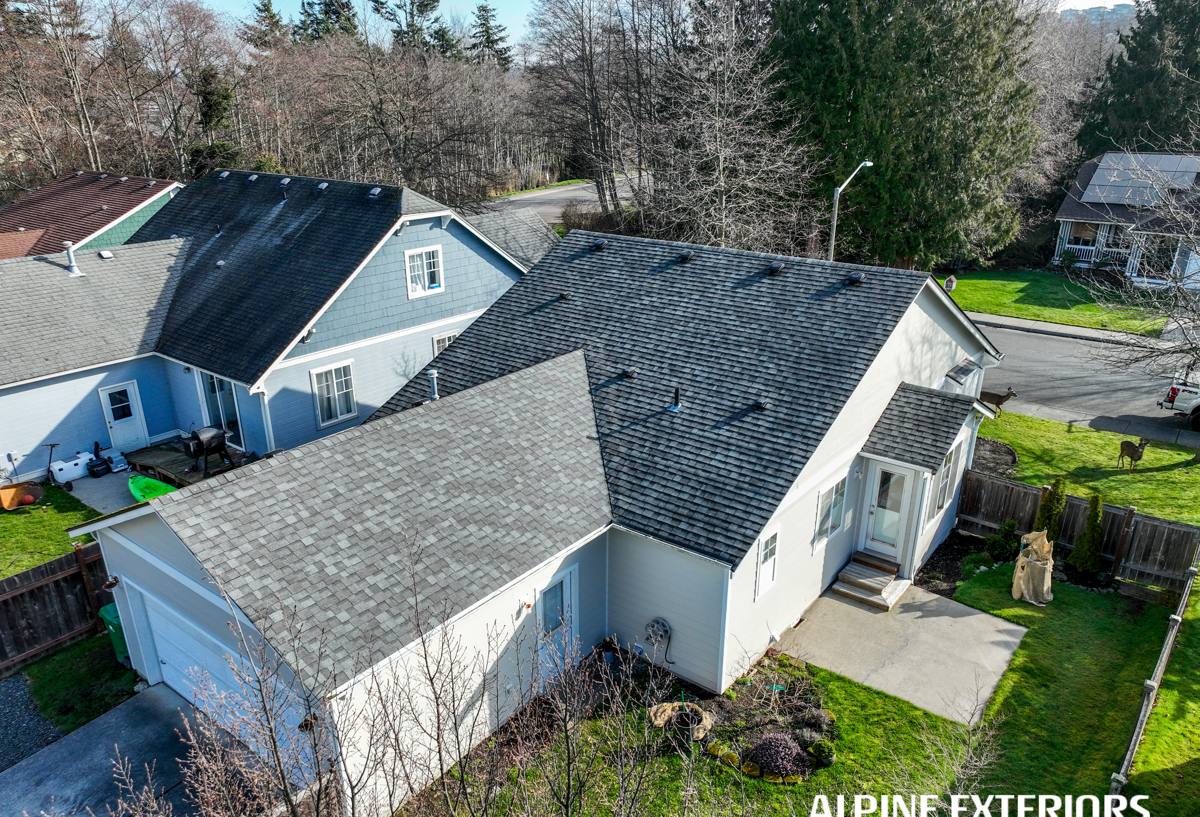
What Sarasota's Climate Does to a House
Sarasota County sits in a hurricane-prone coastal zone, and Laurel Park's proximity to the bay means homes there deal with a specific combination of stresses:
- Hurricane-force wind: Gusts during tropical systems can rip loose siding panels, lift shingles, and drive water behind exterior walls through gaps that wouldn't matter in a milder climate.
- Year-round UV: Florida sun is intense nearly every month of the year, not just in summer. Paint, vinyl color, and lesser coatings fade and chalk faster here than almost anywhere else in the country.
- Wind-driven rain: Storms in this area rarely just fall straight down — wind pushes rain sideways and up under laps, trim, and window flashing, which is where most water intrusion actually starts.
- Salt air: Being close to Sarasota Bay and the Gulf means airborne salt settles on every exterior surface. It accelerates corrosion on fasteners, hardware, and untreated metal, and it degrades some coatings faster than fresh-air inland exposure would.
None of this is unique to Laurel Park specifically, but it's the reality for this whole stretch of Sarasota, and it's the baseline every material and installation decision on your home needs to account for.
Siding: Why We Only Install James Hardie
What we won't put on your house, and why
We get asked regularly about vinyl siding, LP SmartSide, and other engineered wood products, so we'll be straightforward about our position. Vinyl siding is inexpensive and easy to install, but it's a plastic product that softens and can warp in extreme heat, and Florida's UV load fades and chalks its color faster than manufacturers' warranties usually acknowledge. In a hurricane-wind environment, vinyl panels are also more prone to cracking or blowing off than a heavier, mechanically fastened product.
LP SmartSide and other engineered wood or wood-composite sidings perform reasonably well in drier, more moderate climates. The concern in a place like Sarasota is moisture: these products use wood strand or wood fiber cores that are vulnerable to swelling and eventual decay if water gets past the coating, and Florida's humidity and wind-driven rain make that a real long-term risk rather than a theoretical one. We're not saying these products fail on every install — plenty perform fine when installed and maintained perfectly — but we're not willing to put a wood-core product on a Sarasota roofline and hope the maintenance schedule gets followed for the next 20 years.
Plain primed spruce or cedar siding has the same underlying issue, plus ongoing paint maintenance that most homeowners underestimate. In a coastal, high-UV, high-humidity market, we don't think it's the right long-term bet.
Why James Hardie is what we actually install
James Hardie fiber cement siding is made from sand, cement, and cellulose fiber — it doesn't have a wood core to rot, it's non-combustible, and it holds its dimensions in heat and humidity far better than vinyl or wood products. Hardie's ColorPlus factory-baked finish is engineered specifically to resist UV fading, which matters enormously given how much direct sun Sarasota homes get. Hardie also builds region-specific product lines (their HZ5 line is engineered for higher-humidity, storm-exposed climates like ours), and it comes with a strong, transferable manufacturer warranty when installed to Hardie's specifications.
None of that is marketing to us — it's the reason we made fiber cement our standard rather than offering a menu of options. A siding contractor who installs everything isn't necessarily doing you a favor; we'd rather install one product correctly than install several products and hope they all hold up.
Siding material comparison
| Material | Core material | UV/color stability | Wind performance | Moisture risk |
|---|---|---|---|---|
| James Hardie fiber cement | Cement/sand/cellulose | Factory ColorPlus finish, high fade resistance | Rated for high-wind zones when installed per spec | Non-combustible, doesn't rot from a wet core |
| Vinyl | PVC plastic | Fades/chalks faster in intense UV | Can crack or blow off in high wind | No rot risk, but seals/panels can fail |
| LP SmartSide / engineered wood | Wood strand/fiber | Moderate; coating-dependent | Generally good if fastened correctly | Vulnerable to swelling/decay if water intrudes |
| Primed spruce/cedar | Solid wood | Requires ongoing repainting | Good, but movement can crack paint/seams | Highest maintenance to prevent rot |
Roofing for a Wind and Rain Climate
Siding doesn't work in isolation — the roof is the first line of defense, and in Sarasota it needs to handle the same wind and wind-driven rain the walls do. We look at underlayment quality, flashing details around penetrations and valleys, and fastening patterns rated for local wind speeds, not just whatever the minimum code allows. A roof that's leaking or has failing flashing will undermine even a well-installed siding job, because water finds its way down behind the wall assembly. When we're on a Laurel Park property for a siding estimate, we'll flag any roofing issues we see, because the two systems have to work together.
Windows: The Other Half of a Weathertight Home
Older Laurel Park homes often still have original or early-replacement windows that weren't built for current wind and impact standards. Beyond storm performance, aging window seals and flashing are a common source of the water intrusion homeowners assume is a siding problem. When we replace windows alongside a siding project, we make sure the flashing integrates properly with the new wall assembly — that integration point is where a lot of leaks actually originate, more often than the siding field itself.
Decks in a Sun- and Salt-Heavy Environment
Outdoor living is a big part of why people live in this part of Sarasota, but decks here take a beating: constant UV breaks down wood fibers and fasteners corrode faster in salt air. Composite decking holds up better than untreated wood over time and needs far less upkeep, though material choice should match how the space is used and how much sun exposure it gets. We can talk through the trade-offs for your specific site during an estimate.
Why a Local, Established Crew Matters Here
A siding or roofing crew that mostly works inland or in a milder climate doesn't have the same instinct for flashing details, fastening schedules, and moisture management that Sarasota's coastal exposure demands. Working across Sarasota County day in and day out means we're used to permitting requirements, wind-load expectations, and the specific failure points we see repeatedly on homes in neighborhoods like Laurel Park — aging trim, undersized flashing, and siding that was never rated for this kind of exposure in the first place. That's the experience we bring to every estimate, not a generic install.
What to Look For Before You Hire
- Proper licensing and insurance for exterior contracting work in Florida
- A written scope that specifies exact materials, fastening method, and flashing details — not just "siding replacement"
- Manufacturer certification or documented training on the specific siding product being installed
- A clear explanation of how the crew handles moisture management at windows, doors, and roof-to-wall transitions
- Willingness to explain trade-offs between materials honestly, rather than pushing whatever is cheapest to install
- References or past work you can actually verify, not just a sales pitch
Get a Local Estimate
If you're in Laurel Park or elsewhere in the Sarasota area and dealing with siding that's fading, cracking, or letting water in, we're happy to take a look and walk you through what we're seeing and why. There's no cost and no pressure to move forward — just a straight answer about the condition of your exterior and what it would take to fix it right. Use the form below to request a free estimate.