 Sarasota Siding
 Siding in Osprey: A Different Kind of Weather Problem
Osprey sits in that stretch of Sarasota County between the city of Sarasota and Venice, tucked along the Intracoastal with Little Sarasota Bay and Casey Key close by. That location is part of why people love living there, and it's also exactly why the exterior of a house here works harder than it would almost anywhere inland. Homes in Osprey deal with a combination most siding products were never engineered for: near-constant humidity, intense year-round UV exposure, salt-laden air moving off the Gulf and the bay, and the very real chance of hurricane-force wind and wind-driven rain during storm season.
None of those factors are unique to Osprey by themselves. What makes this stretch of Sarasota County demanding is that a home's siding has to hold up against all of them simultaneously, year after year, without a real off-season to recover in. That's the lens we use when we talk to Osprey homeowners about their siding, roofing, windows, and decks — not generic "Florida weather" talk, but what actually happens to exterior materials in this specific corner of the coast.
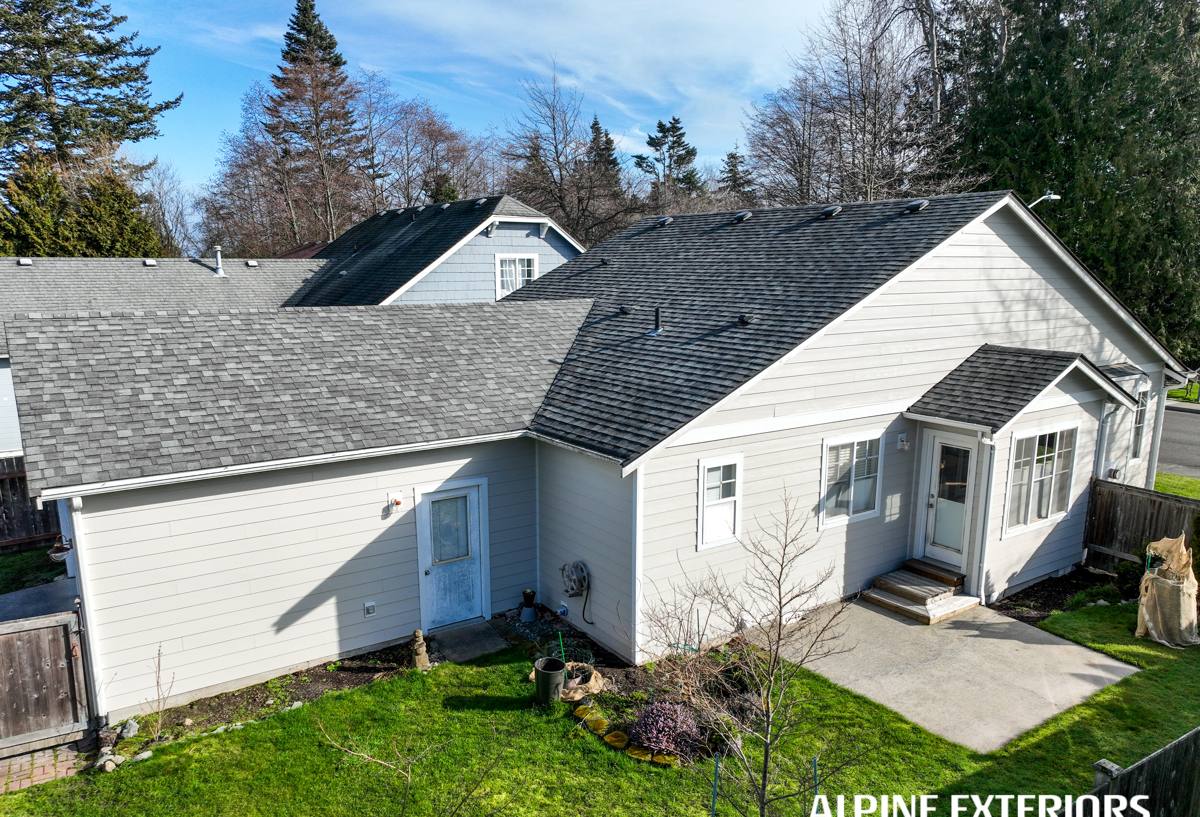
What Sarasota County's Climate Actually Does to a House
UV Exposure
Florida sun is relentless, and Osprey gets it at close to full strength most of the year. UV breaks down the resins and pigments in a lot of siding materials over time, which is why some products chalk, fade unevenly, or turn brittle well before a homeowner expects them to. South- and west-facing walls take the worst of it, and on a lot of Osprey lots with open sky exposure near the water, there's not always a lot of tree canopy to soften that.
Wind-Driven Rain and Moisture
It's not just rainfall totals — it's the direction rain comes from during a Gulf storm system. Wind-driven rain gets forced sideways into seams, laps, and fastener points that were never designed to handle water moving that way. Combine that with Florida's humidity, and any siding material that isn't dimensionally stable or that absorbs moisture is going to swell, warp, or start breaking down from the inside, often before there's any visible damage on the surface.
Salt Air
Osprey's proximity to the bay and the Gulf means salt is in the air more days than not, even a few miles inland. Salt accelerates corrosion on fasteners and trim, and it degrades certain finishes faster than manufacturers' standard testing accounts for. It's a slow, cumulative effect — the kind of thing that shows up as a maintenance headache three or four years in, not a problem on day one.
Hurricane-Force Wind
Sarasota County sits squarely in a hurricane-prone stretch of the Gulf coast. Wind uplift and windborne debris are real design considerations here, not theoretical ones. Siding attachment, fastening schedule, and the underlying wall assembly all matter more in Osprey than they would in a low-wind-zone market inland.
Why We Only Install James Hardie Fiber Cement
We get asked fairly often why we don't offer vinyl, LP SmartSide, or other engineered wood or composite siding products. It's a fair question, and the honest answer is that we made a standard for ourselves based on what actually performs in this climate over the long haul — not on what's cheapest to install or easiest to sell.
| Material | How It Handles Coastal Florida Conditions |
|---|---|
| Vinyl siding | Lightweight and affordable, but it softens and can warp in sustained high heat, and its impact resistance in high wind events is a real limitation. Color is baked in, not painted, but fading and brittleness over time are common in intense UV climates. |
| LP SmartSide / engineered wood | Wood-based core with a resin-treated strand board. It performs reasonably in moderate climates, but any wood-based product depends heavily on caulking, flashing, and maintenance staying ahead of moisture — a tall order in a humid, storm-prone coastal county. |
| Primed spruce / cedar (traditional wood) | Attractive natural material, but it's the most maintenance-intensive option in this climate — repainting, sealing, and monitoring for rot are ongoing commitments, and salt air and humidity shorten the intervals between them. |
| James Hardie fiber cement | Non-combustible, dimensionally stable, and engineered specifically for hot, humid, storm-exposed climates through its HZ10 product line. Factory-applied ColorPlus finish resists fading and chipping far better than field-applied paint. |
Fiber cement isn't magic, and it isn't maintenance-free. But it's dimensionally stable in humidity, it doesn't rot, it's non-combustible, and James Hardie backs its HZ10 products with engineering specifically aimed at the Gulf Coast climate zone Osprey sits in. That combination is why we standardized on it and stopped installing the alternatives.
James Hardie Product Lines That Make Sense for Osprey Homes
James Hardie builds regional formulations of its fiber cement products, and homes in Sarasota County fall into the HZ10 zone — the version engineered for the most demanding heat, humidity, and moisture exposure the company designs for. A few product lines we work with most often here:
- HardiePlank lap siding — the most common choice for Osprey homes, available in a range of textures and exposure widths to match different architectural styles.
- HardiePanel vertical siding — often used for accent walls, gables, or more contemporary designs found on newer builds in the area.
- HardieTrim boards — used around windows, doors, and corners; matching trim material matters for long-term moisture performance, not just appearance.
- HardieSoffit panels — relevant in a coastal wind zone where soffit failure during high wind events can lead to much bigger roof and structural problems.
ColorPlus factory finish is worth calling out specifically for this market. Because the color and topcoat are baked on in a controlled factory environment rather than sprayed or brushed on-site, it holds up better against Osprey's UV load and salt air than field-applied paint typically does, and it comes with its own finish warranty separate from the substrate warranty.
It's Not Just Siding — The Whole Exterior Works Together
Siding doesn't perform in isolation. On a coastal Sarasota County home, the roof, windows, and any exterior decking are all part of the same moisture and wind-management system. A few ways that shows up in Osprey specifically:
Roofing
Roof drainage, flashing, and fascia details all interact directly with the top course of siding. A roofing detail that dumps water in the wrong place will shorten the life of the siding below it regardless of how good the siding itself is — so when we're on a property for siding work, we're looking at how the roof edge is handled too.
Windows
Window flashing and the seal between window frame and siding is one of the most common failure points we see on coastal homes. In a wind-driven rain event, a poorly integrated window opening can let water in even when the siding itself is performing exactly as designed.
Decks
Outdoor living space is a big part of why people choose Osprey, whether it's a deck facing the bay or just a shaded space to sit outside. Decking materials near open water face the same UV and salt exposure as siding, and the fastening and structural considerations for wind resistance apply there too.
What Our Process Looks Like for Osprey Homeowners
When we come out to look at a home in Osprey, we're checking more than just "does the siding look old." We look at the wall assembly, existing moisture damage, how the current siding was fastened, how trim and flashing details were handled, and what the exposure is like on each side of the house — a bay-facing wall with open exposure gets treated differently than a shaded, protected side.
From there we walk through product selection, realistic cost ranges, and a timeline that accounts for Florida's building permit process and, when relevant, hurricane season scheduling. We install to the fastening and flashing specifications James Hardie publishes for high-wind, coastal applications — not a generic national standard — because that's the standard this climate actually requires.
Signs It's Worth Having Your Siding Looked At
- Visible warping, buckling, or gaps between siding panels
- Soft spots or discoloration that could indicate moisture behind the siding
- Chalky residue or uneven fading, especially on south- or west-facing walls
- Caulk that's cracked, shrunk, or pulling away around trim and window edges
- Visible rust streaking from fasteners or trim hardware
- Rising energy bills that could point to compromised insulation or air sealing behind aging siding
Why a Local Crew Matters in Osprey
Coastal Sarasota County construction has its own permitting requirements, wind-load expectations, and installation practices that differ from what a crew used to inland or northern climates might default to. A local team knows which details actually matter here — how far in from open water a home sits, what kind of wind exposure a given lot has, and how local building officials expect flashing and fastening to be documented. That local knowledge is the difference between a siding job that looks right on install day and one that's still performing correctly five hurricane seasons later.
If you're in Osprey and thinking about your home's siding, roofing, windows, or deck, we're happy to come take a look and give you a straightforward, no-pressure assessment of where things stand and what your options are. There's a form below to get that started whenever you're ready.