 Sarasota Siding
 Why Bee Ridge Homes Need Windows Built for This Climate
Bee Ridge sits inland from the coast, but "inland" in Sarasota County doesn't mean sheltered. The same Gulf Coast conditions that wear down homes closer to the water still reach this neighborhood: intense, year-round UV that bakes window frames and fades interiors, wind-driven rain that finds every weak seal, salt-laden air that corrodes hardware over time, and the ever-present threat of hurricane-force winds during storm season. Windows here work harder than they do almost anywhere else in the country, and builder-grade or aging units simply weren't designed for that load.
When a window is doing its job correctly, it's not just glass in a frame — it's a system that manages heat, moisture, air infiltration, and structural wind pressure all at once. In Bee Ridge, a window that fails at any one of those jobs shows up fast: higher cooling bills, sun-bleached floors and furniture, musty window tracks, or a seal that lets water in during the next tropical system.
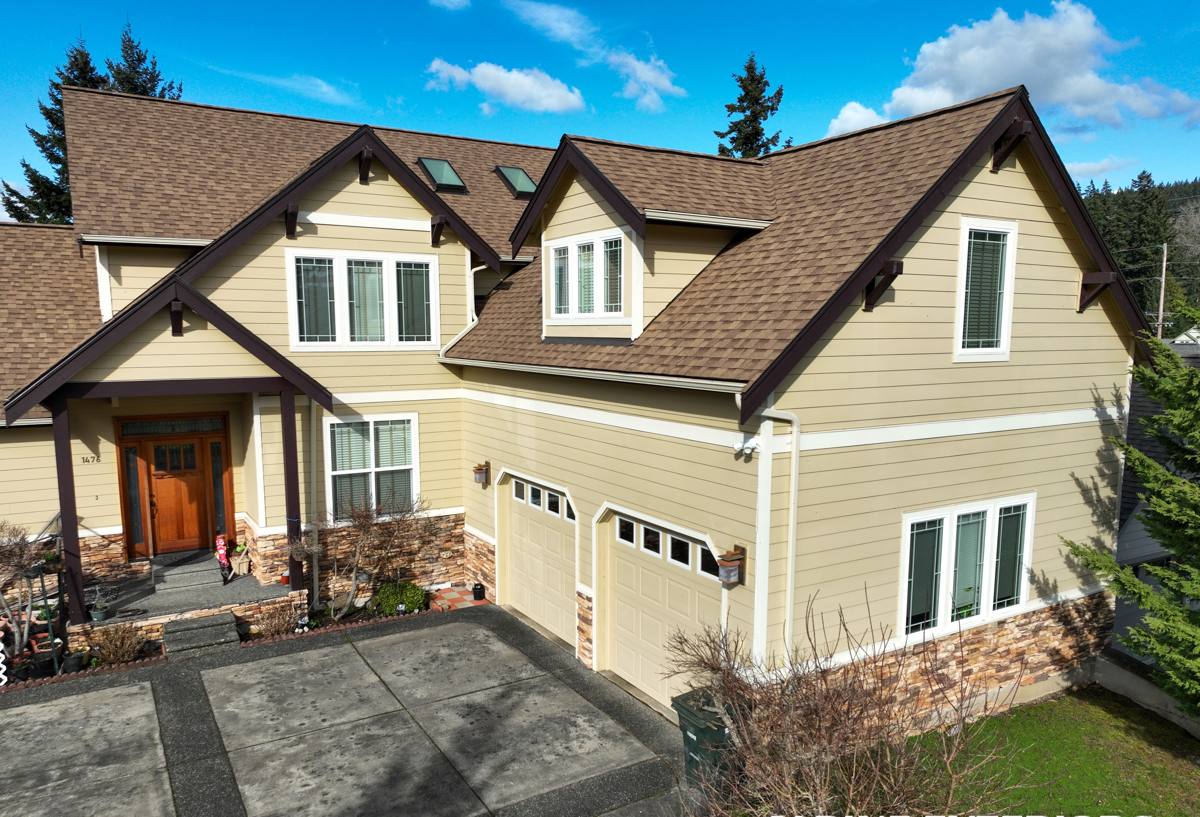
What "Energy-Efficient" Actually Means Here
Energy-efficient windows are rated on a few key numbers, and in a hot, humid, sun-heavy climate like Sarasota's, they don't all matter equally.
Solar Heat Gain Coefficient (SHGC)
This measures how much of the sun's heat passes through the glass. In Florida, a low SHGC is the single most important number on the label — it's the difference between glass that keeps your air conditioner running constantly and glass that actually blocks solar heat before it becomes a cooling load.
U-Factor
U-factor measures how well a window resists heat transfer overall. It matters less here than it does in a northern climate, but it still affects comfort near windows and how hard your HVAC system has to work during our hottest months.
Low-E Coatings and Insulated Glass
A quality Low-E (low-emissivity) coating reflects infrared heat while still letting visible light through, so rooms stay bright without turning into greenhouses. Paired with an insulated (double- or triple-pane) glass unit, it also cuts down on the outside noise that comes with a busy Florida afternoon.
None of these ratings exist in a vacuum — a window's real-world performance in Bee Ridge depends on which direction it faces, how much shade it gets, and how well it's installed. That's why we walk each home individually rather than quoting a one-size-fits-all package.
Signs Your Current Windows Are Working Against You
Most homeowners don't replace windows because they woke up thinking about SHGC ratings — they replace them because something is visibly or financially wrong. Watch for:
- Rooms near windows that feel noticeably hotter than the rest of the house by mid-afternoon
- Cooling bills that climb year over year without a clear cause
- Condensation or fogging between panes, which means the seal has failed
- Visible fading on flooring, furniture, or curtains near west- or south-facing glass
- Frames that feel soft, chalky, or pitted — common with aluminum exposed to salt air over many years
- Drafts or a whistling sound during windy weather, which also signals a weak point in a storm
- Difficulty opening, closing, or locking — often a sign the frame or track has shifted
Any one of these is worth a look. Several at once usually means the windows are past the point where caulk and weatherstripping will fix the problem.
What a Correct Installation Actually Involves
The window product matters, but installation quality is what determines whether that product performs for fifteen years or fails in three. A correct job includes:
Opening Inspection
Before a new window goes in, the rough opening gets inspected for water intrusion, wood rot, or deteriorated sheathing — issues that are common in Florida's humidity and easy to miss if a crew is moving fast to hit a quota.
Proper Flashing and Sealing
Flashing has to be layered correctly so that any water reaching the opening drains outward, not into the wall cavity. Sealants need to be rated for UV exposure and for the expansion and contraction that comes with Sarasota's temperature swings between summer afternoons and cooler evenings.
Mechanical Anchoring for Wind Load
Windows in this area need to be anchored to meet the wind pressure requirements for our zone — not just set in place and caulked around the edges. This is where a lot of corner-cutting happens, and it's invisible until a storm tests it.
Interior and Exterior Finish Work
The last step is making sure interior trim and exterior finish are sealed and weathertight, with no gaps that undercut the energy performance you just paid for.
Frame Material: What Holds Up in Bee Ridge
Frame material affects energy performance, maintenance, and how well a window tolerates salt air and UV over time. Here's how the common options compare for this climate:
| Frame Material | Heat & UV Performance | Salt Air Resistance | Maintenance | Typical Cost Tier |
|---|---|---|---|---|
| Vinyl | Good; can soften slightly under extreme long-term sun exposure | Good — won't corrode | Low; occasional cleaning | Lower to mid |
| Aluminum | Fair; conducts heat unless thermally broken | Poor to fair — prone to pitting and corrosion over years near salt air | Moderate; hardware needs attention | Lower to mid |
| Fiberglass | Excellent; very stable in heat and sun | Excellent — highly corrosion resistant | Low | Mid to higher |
| Wood (clad) | Good with proper cladding | Fair; cladding must stay intact to protect the wood core | Higher; more upkeep in humid climates | Higher |
We generally steer Bee Ridge homeowners toward vinyl or fiberglass for the best balance of energy performance, corrosion resistance, and long-term maintenance in this climate. That's a professional recommendation based on how these materials behave in Gulf Coast conditions over time, not a knock on other options — wood-clad and aluminum both have their place, but they ask more of the homeowner in upkeep.
Impact-Rated Glass vs. Standard Glass with Shutters
This is one of the most common decisions homeowners face, and there's no universally "right" answer — it depends on budget, how often you're home to deploy shutters, and how much of the storm-prep burden you want to remove.
Impact-rated windows use laminated glass that stays intact under debris impact and stays closed under wind pressure, and they double as effective noise and UV reducers year-round since they're in place permanently. Standard energy-efficient glass paired with code-compliant shutters can also meet wind-borne debris requirements at a lower upfront cost, but it depends on someone being available to put shutters up before a storm arrives. Many Sarasota County homeowners also find that impact-rated windows help with wind mitigation credits on homeowners insurance — worth confirming directly with your insurer, since programs and discounts vary by carrier.
Our Process, Start to Finish
- Free on-site assessment — we look at your current windows, note sun exposure by room, and check for any moisture or structural issues around existing openings.
- Product and glass package selection — we walk through frame material, SHGC, and impact vs. shutter options based on your home and budget, not a default package.
- Measurement and permitting — accurate measurements are taken, and required permits are pulled through Sarasota County before any work begins.
- Installation — old windows are removed, openings are inspected and prepped, and new units are set, flashed, sealed, and mechanically anchored to code.
- Final inspection and walkthrough — we confirm proper operation, sealing, and finish work with you before calling the job done, and coordinate any required county inspection.
- Cleanup — job site and surrounding landscaping are left clean, with old windows and debris hauled away.
Permits and Code in Sarasota County
Window replacement in Sarasota County requires a permit, and installations need to meet Florida Building Code wind load requirements for our area, including wind-borne debris protection for homes in the applicable coastal zones. Skipping permits might seem like a shortcut, but it can create real problems later — from failed inspections on unrelated work to complications when you sell the home and a buyer's inspector asks for permit history that doesn't exist. We handle the permitting process as a standard part of the job, not an upsell.
A Quick Checklist Before You Hire
- Ask for proof of current Florida contractor licensing and insurance, and verify it independently
- Confirm in writing whether the quote includes permitting, or if that's billed separately
- Ask what wind load and impact rating the proposed windows meet for your specific address
- Get the SHGC and U-factor numbers for the exact glass package being quoted, not just a brand name
- Ask how they handle rot or moisture damage discovered once old windows come out
- Get a clear written warranty covering both the product and the labor, with terms spelled out
A contractor who answers these questions directly, without hedging, is usually one who does this work correctly and often.
Why Local Bee Ridge Experience Matters
Homes in established Bee Ridge neighborhoods span a range of ages and construction styles, and a crew that regularly works this specific area has already seen the common issues — how certain wall assemblies handle moisture, what the county's permitting and inspection process typically looks for, and how sun exposure plays out across different lot orientations in this part of Sarasota. That familiarity shortens the assessment process and reduces surprises mid-project. It also means we're a known, reachable local presence if a question comes up after the job is finished, not a crew that drove in from out of the area for one job and moved on.
If your windows are working against you instead of for you, we're happy to take a look and give you an honest read on what's needed. Reach out for a free, no-pressure estimate — we'll walk your home, answer your questions, and give you real numbers before you decide anything.