 Sarasota Siding
 New Roof Installation for Bradenton Homes
Bradenton sits close enough to the water that every roof on this side of the state deals with the same short list of enemies: sustained wind loads that spike hard during tropical systems, UV exposure that runs nearly year-round instead of seasonally, wind-driven rain that finds any gap in flashing or underlayment, and salt-laden air that accelerates corrosion on anything metal. A roof built for a landlocked climate simply does not hold up the same way out here, and a lot of the roof failures we get called out to inspect trace back to a job that was installed correctly for a different part of the country but not for this one.
We're a Sarasota-based crew that already works this corridor regularly, so a Bradenton new roof installation isn't a special trip for us — it's a normal week. That matters more than it sounds like it should, because roofing is one of those trades where local knowledge of wind exposure, permitting expectations, and material behavior in this specific climate changes real decisions on the job, not just talking points in a sales pitch.
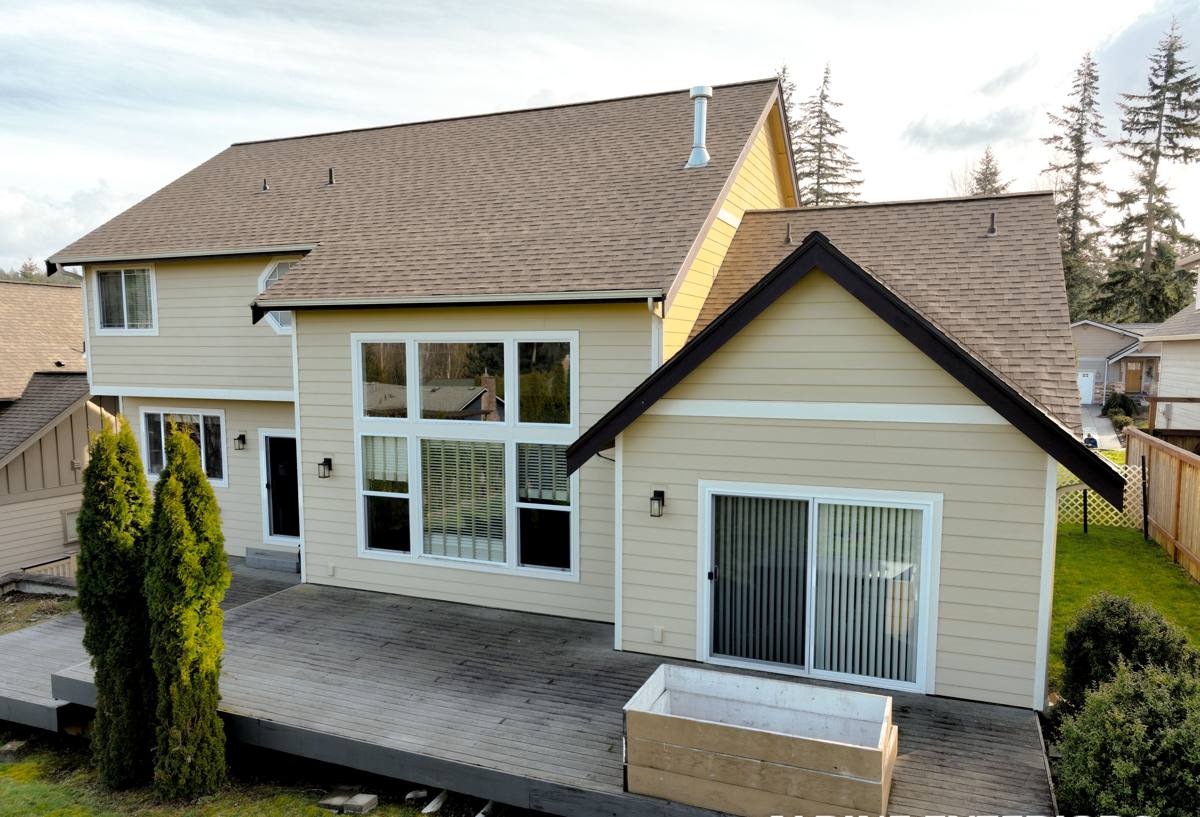
What Gulf Coast Conditions Actually Do to a Roof
Wind
Hurricane-force wind doesn't just try to peel a roof off in one dramatic gust — it works edges and corners first, where uplift pressure concentrates. A roof that's rated for the material but installed with weak edge metal, under-fastened starter courses, or the wrong nailing pattern can lose shingles or panels in wind speeds well below what the product is technically rated for. The failure is almost always in the installation detail, not the shingle or panel itself.
UV and Heat
Constant sun exposure breaks down asphalt oils in shingles faster than in cooler, cloudier climates, which is why a shingle roof here can show granule loss and brittleness years ahead of the same product installed further north. Underlayment and sealants are also under more thermal stress, cycling hot during the day and cooling at night, day after day, for the roof's entire life.
Wind-Driven Rain
Rain that comes in sideways during a storm doesn't behave like rain falling straight down. It gets pushed up under shingle tabs, into vent flashing, and along ridge lines that a calm-weather roof would handle fine. This is why underlayment quality and flashing detail work matter as much as the visible roofing material — most leaks that show up during a storm trace back to a flashing detail, not a shingle failure.
Salt Air
Even a few miles inland from Sarasota Bay or the Gulf, airborne salt accelerates corrosion on exposed fasteners, drip edge, vent stacks, and any unprotected metal on the roof. Over years, that corrosion opens tiny paths for water intrusion that are easy to miss during a casual look from the ground.
Signs a Repair Won't Cut It Anymore
Not every roofing problem calls for full replacement, but there are clear signals that patching is just delaying the inevitable:
- Granule loss heavy enough that you can see bare asphalt on multiple shingles, not just one or two
- Soft spots or sagging in the roof deck when walked, which usually means water has reached the wood
- Repeated leaks in different spots after previous repairs, rather than one isolated failure
- Shingles curling, cracking, or lifting at the edges across large sections of the roof
- The roof is old enough that insurance is threatening non-renewal or requiring a four-point inspection you're not confident it will pass
- Visible daylight through the attic decking, or consistent moisture staining on interior ceilings
If you're seeing two or more of these, a full replacement is almost always the more honest recommendation, even though it's the bigger number up front. Patching a roof that's structurally past its service life just moves the leak to a new spot next storm season.
What a Correct New Roof Installation Actually Involves
A new roof is a system, not a single product. Each layer has a job, and skipping or shortcutting any one of them is where most premature failures start.
Deck Inspection and Repair
Once the old roofing is stripped, the deck gets inspected board by board. Any wood that's soft, delaminated, or water-stained gets replaced before anything else goes down — installing a new roof over a compromised deck just hides the problem until it reopens.
Underlayment
This is the roof's real waterproofing layer, and in this climate we treat it as non-negotiable, not an upsell. A high-quality synthetic or self-adhering underlayment is what actually keeps wind-driven rain out if the top layer is ever compromised during a storm.
Flashing and Edge Metal
Drip edge, valley flashing, and step flashing around chimneys, walls, and roof penetrations are where the majority of leaks originate on any coastal roof. These details get built to shed water and resist wind uplift, not just to look finished.
Fastening Pattern
Nailing pattern and fastener count matter more here than in calmer climates. Florida Building Code sets minimum standards for wind resistance, and we don't treat those as a ceiling to install down to — proper fastening is cheap insurance against the next named storm.
Ventilation
Proper intake and exhaust ventilation keeps attic temperatures and moisture in check, which protects the deck from below and helps shingles last closer to their rated lifespan instead of cooking prematurely from trapped heat.
Comparing Roofing Materials for a Bradenton Home
There's no single "best" material for every house — it depends on your roof's slope, your budget, how long you plan to stay in the home, and how much maintenance you want to think about. Here's how the common options stack up for this climate specifically:
| Material | Wind Performance | UV/Salt Durability | Typical Lifespan Here | Maintenance |
|---|---|---|---|---|
| Architectural Asphalt Shingle | Good with proper fastening and edge detail | Moderate — UV shortens life faster than inland climates | 15-22 years | Low to moderate |
| Standing Seam Metal | Excellent, especially with concealed fasteners | Very good with coated/coastal-rated finishes | 30-50 years | Low |
| Concrete or Clay Tile | Excellent when properly fastened, heavy self-weight helps | Excellent — tile itself doesn't UV-degrade | 40-plus years | Moderate (underlayment beneath tile still ages and needs eventual replacement) |
A note on tile specifically: the tile itself can genuinely outlast the house, but the underlayment underneath it is doing the actual waterproofing and has a shorter service life. We're upfront with homeowners about that trade-off rather than letting the tile's reputation imply the whole roof needs zero attention for decades.
Cost Factors Worth Understanding
| Factor | Why It Moves the Price |
|---|---|
| Roof slope and access | Steeper or harder-to-access roofs take longer and need more safety setup |
| Deck condition | Rotten or delaminated decking found during tear-off adds material and labor |
| Number of penetrations | Vents, skylights, and chimneys each need individual flashing detail |
| Material choice | Metal and tile cost more upfront than asphalt but stretch the replacement cycle out much further |
| Permitting and inspections | Local permit fees and required inspections are set by the county, not by us, and are the same regardless of which contractor you hire |
Permitting and Code Requirements in This Area
Florida Building Code sets wind-resistance and installation standards that apply to this entire coastal region, and Manatee and Sarasota County permitting offices both require a permit and inspection for a full roof replacement — this isn't optional paperwork, it's what makes your insurance claim and home resale clean later. A contractor who pulls permits regularly in this specific area knows what the local inspectors actually check for, which avoids the back-and-forth delays that come from a crew unfamiliar with local process. We handle the permit and inspection scheduling as part of the job so you're not the one chasing it down.
Our Installation Process
- On-site inspection and estimate. We look at the deck condition where visible, current material, slope, penetrations, and any signs of existing damage, and give you a written estimate with real cost factors explained, not just a number.
- Material selection. We walk through the trade-offs above based on your budget, how long you plan to own the home, and your appetite for long-term maintenance.
- Permitting. We pull the required permit before work starts.
- Tear-off and deck inspection. Old roofing comes off down to the deck, and any compromised wood gets identified and replaced before moving forward.
- Underlayment and flashing installation. This is the waterproofing layer that does the real work, installed to current code minimums as a floor, not a target.
- Roofing material installation. Shingles, metal panels, or tile go down with fastening patterns built for this wind zone.
- Final inspection and walkthrough. We schedule the required inspection and walk the finished roof with you before considering the job done.
Why Hiring a Crew That Already Works Bradenton Matters
Roofing crews that only pass through an area occasionally tend to install to a generic standard rather than the one this specific coastline actually demands. A crew based in Sarasota and already working Bradenton regularly has a working sense of which flashing details fail first here, how local permitting offices expect drawings and inspections handled, and how salt exposure changes fastener and edge-metal choices compared to a roof fifty miles inland. That local familiarity shows up in fewer callbacks and a roof that performs the way it's supposed to the first time a real storm tests it, not just on a clear day.
It also matters for accountability after the job is done. A local crew is still around next hurricane season if something needs a look, rather than a name on an invoice from a company that worked the area for one storm-chasing season and moved on.
Questions Worth Asking Before You Hire Anyone
- Are you licensed and insured to do roofing work in this county, and can you show current proof?
- Will you pull the permit yourselves, and is that included in the estimate?
- What underlayment are you using, and is it upgraded beyond the bare code minimum?
- How do you handle flashing at valleys, chimneys, and wall intersections specifically?
- What's the fastening schedule for this material in this wind zone?
- What's the workmanship warranty, separate from the manufacturer's material warranty?
- Do you have current references from roofs you've installed in this area, not just anywhere?
Any honest local contractor should answer every one of these without hesitation. Vague answers, especially around permitting and fastening detail, are the clearest early warning sign.
Ready to Talk About Your Roof?
If your Bradenton roof is showing its age, took storm damage, or you're just tired of patching the same spot every hurricane season, we're happy to come take a look and give you a straight answer about whether repair or replacement makes more sense for your situation. There's a free, no-pressure estimate request form below — fill it out and we'll get back to you to schedule a time that works.