 Sarasota Siding
 What Bradenton Roofs Are Actually Up Against
A roof in Bradenton doesn't age the way a roof does in most of the country. Between Sarasota County's intense, near-constant UV exposure, salt air moving in off the Gulf and Tampa Bay, wind-driven rain during summer storms, and the real possibility of hurricane-force wind, a roof here is under load in some form almost every day of the year. That combination doesn't just mean roofs wear out faster — it means the specific ways they fail are different from what a roofer trained in a milder climate is used to looking for.
Roof repair done right in this area starts with understanding those failure patterns, not just patching whatever is visibly leaking. This page covers what actually damages roofs in Bradenton, how we diagnose and scope a repair correctly, what a proper repair job involves, and why hiring a crew that already works this part of Sarasota County — rather than one learning it on your roof — makes a real difference in whether that repair actually holds.
What Actually Damages Roofs Here
UV Breakdown
Florida gets some of the highest year-round UV exposure in the country, and a roof takes that directly, all day, for years without a break. On asphalt shingles, UV breaks down the asphalt binder and drives off the granules that protect it, leading to brittleness and premature aging well before the shingle's rated lifespan is up. On tile roofs, UV is less of a direct threat to the tile itself but accelerates the breakdown of the underlayment beneath it — which is often the part actually failing when a tile roof develops a leak. Metal roofing holds up well against UV directly, but coatings and sealants used at penetrations and seams still degrade over time under this kind of sun load.
Wind-Driven Rain
Ordinary rain falls straight down and mostly runs off a roof the way it's designed to. Wind-driven rain during a Gulf Coast storm doesn't behave that way — it gets pushed sideways and even slightly upward under wind pressure, working its way under shingle tabs, around tile edges, and into any flashing detail that isn't sealed as well as it should be. A roof that's shed rain fine for years can still develop a leak during a single wind-driven event, because the water is reaching places it normally never would.
Hurricane-Force Wind
Wind load is a real design condition for any roof in this region, not a rare edge case. High wind can lift shingle tabs, crack or dislodge tile, and stress flashing and fastener points even when a roof doesn't suffer dramatic, obvious damage. After a windy season, it's common for a roof to have several small compromised points — a lifted shingle corner, a shifted tile, a fastener that's backed out slightly — that aren't obvious from the ground but are exactly where the next leak will start.
Salt Air and Corrosion
Bradenton and the surrounding Sarasota County coastline deal with salt-laden air settling on roofing materials continuously, not just during storms. Salt accelerates corrosion on any exposed metal — flashing, fasteners, vent stacks, gutter hardware — well before that corrosion becomes visible from ground level. A corroded fastener or a flashing seam that's lost its seal doesn't announce itself; it shows up later as a leak that seems to come from nowhere.
Ponding and Poor Drainage
Low-slope sections, valleys, and areas around chimneys or skylights are more prone to standing water after Florida's frequent, heavy rain events. Water that doesn't drain quickly has more time to find its way through even a small gap in roofing material or flashing, which is why drainage problems often show up as leaks in places that seem unrelated to where the water is actually pooling.
Common Roof Types in This Area and How They Fail
Bradenton has a mix of roofing materials, and each one fails in its own characteristic way. Recognizing which category a problem falls into is the first step toward an accurate repair.
| Roof Type | Common Failure Point | Typical Warning Sign |
|---|---|---|
| Asphalt shingle | UV-embrittled or wind-lifted tabs, worn flashing | Granule loss in gutters, curling or missing shingles |
| Concrete or clay tile | Failed underlayment beneath sound-looking tile | Interior staining despite tile appearing intact |
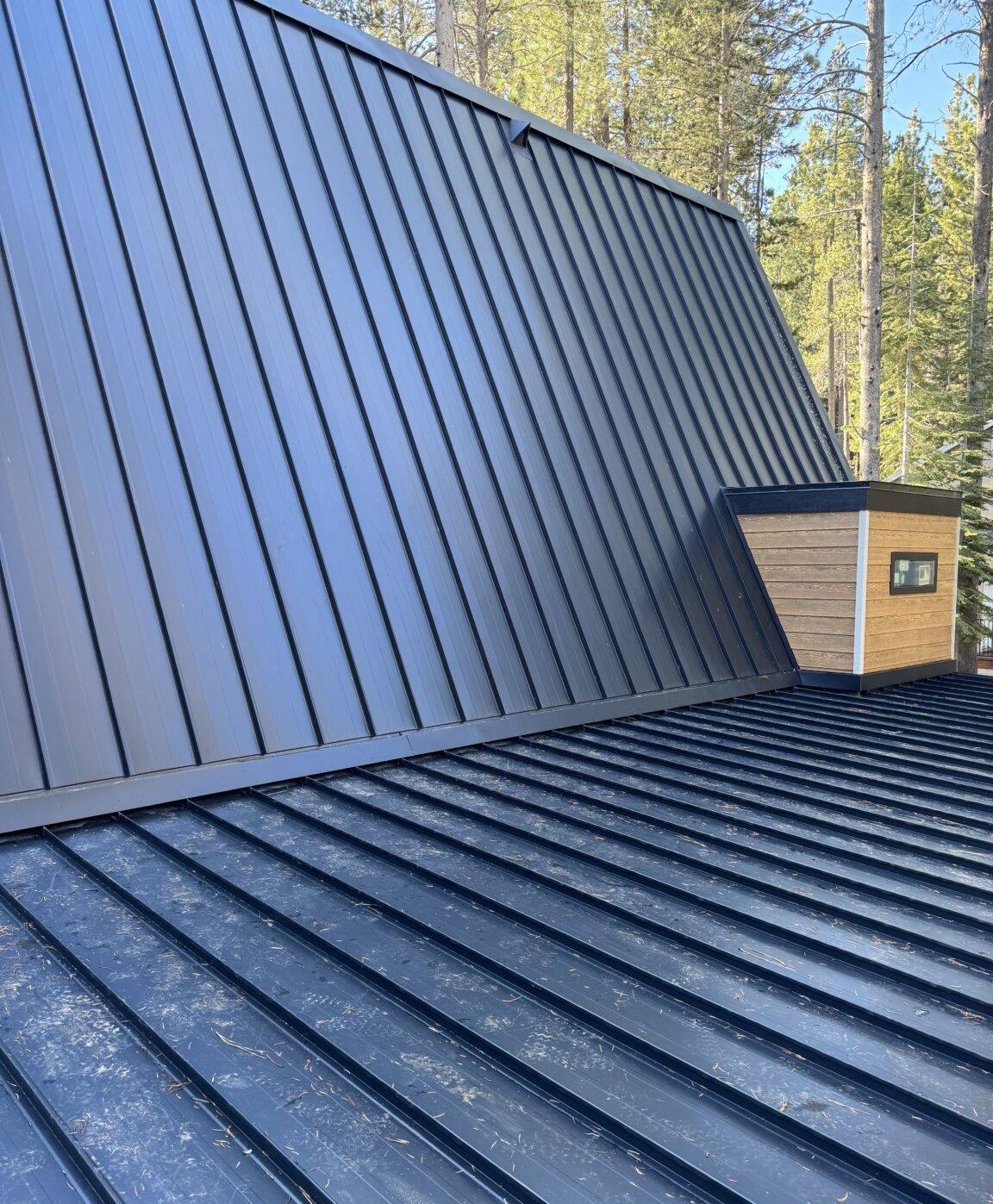
| Metal panel | Fastener backout, sealant failure at seams and penetrations | Streaking or rust trails below panel seams |
| Flat or low-slope sections | Membrane seam failure, ponding at drains | Standing water 48+ hours after rain, bubbling membrane |
A roof with more than one material type — common on additions or homes that have had partial re-roofs — has more than one failure pattern to check, and a repair estimate should account for each section on its own terms rather than treating the whole roof as one system.
Cosmetic Wear vs. Active Leak Risk
Not every visible issue on a roof needs the same urgency, and telling the difference correctly is central to scoping a repair honestly.
- Granule loss in gutters or downspouts — a sign of shingle aging, worth monitoring, but not urgent on its own unless it's heavy and localized
- A single lifted or cracked tile — usually a straightforward, low-cost fix if caught before it leads to underlayment exposure
- Rust staining below a metal seam or flashing point — often means active water intrusion at that spot, even without an interior leak yet
- Interior ceiling staining, even faint — treat as an active leak until an inspection proves otherwise, since staining rarely shows up until water has already been getting in for a while
- Soft or spongy decking felt underfoot during inspection — a structural concern, not cosmetic, and needs prompt attention
- Visible daylight through the attic at roof boards — a clear, urgent sign that needs same-visit attention
The gap between how a roof looks from the ground and what's actually happening at the deck and underlayment level is often significant, which is why a real repair estimate involves getting on the roof and, where accessible, into the attic — not just a look from the driveway.
How We Diagnose a Roof Before Recommending Repair
A repair scope that's actually accurate starts with a real inspection, not a guess based on where a stain showed up inside. That typically includes:
- Checking flashing at every penetration — chimneys, vents, skylights, and roof-to-wall transitions — since these are the most common serious leak sources and the easiest to miss from the ground
- Inspecting the full field of the roofing material for wind, UV, or impact damage, not just the area nearest the reported leak
- Checking attic decking and framing where accessible for moisture staining, soft spots, or mold, which often reveal how long a leak has actually been active
- Assessing fastener and hardware condition for salt-driven corrosion, particularly on metal roofing and flashing components
- Evaluating drainage at valleys, low-slope sections, and gutter attachment points for ponding or blockage
- Confirming whether damage is isolated or indicates broader material aging that will keep producing new leaks even after this one is fixed
We walk through what we find honestly — what needs attention now, what can be monitored, and what's purely cosmetic — before recommending a scope of work.
Repair vs. Replace: How That Decision Actually Gets Made
Homeowners often assume any active leak means a full re-roof is coming, or the opposite — that a patch will always hold. Neither assumption is reliable on its own. The honest factors that actually drive this decision:
| Factor | Points Toward Repair | Points Toward Replacement |
|---|---|---|
| Roof age relative to material's service life | Well within expected lifespan | Near or past it, especially for asphalt shingle |
| Extent of damage | Isolated to one section or penetration | Recurring leaks across multiple areas |
| Underlayment condition (tile roofs) | Sound, tile-only issue | Widespread underlayment failure under intact tile |
| Storm damage pattern | Limited, matches a specific event | Broad, affecting most slopes and material |
| History of prior repairs | First or infrequent repair | Repeated patches in the same or nearby areas |
We'll give a straight answer on which category a given roof falls into, including when a repair is genuinely the sensible choice rather than defaulting to the larger job.
What a Correct Repair Involves
Matching Materials to What's Already There
A repair that mismatches shingle profile, tile style, or metal panel type stands out visually and can also create a weak transition point where old and new material meet. We match existing material as closely as available product allows, and we're upfront if an exact match isn't possible due to discontinued lines or weathering differences on older roofs.
Replacing Underlayment, Not Just Surface Material
On tile and shingle roofs alike, the underlayment is doing the actual waterproofing work — the visible material sheds most of the water, but underlayment is the backstop. A repair that replaces damaged tile or shingle without addressing compromised underlayment underneath is treating the symptom, not the cause, and tends to leak again in the same area.
Upgrading Corrosion-Prone Hardware
Where we replace fasteners, flashing, or hardware, we use materials rated for coastal salt exposure rather than a like-for-like swap with standard-grade components that will corrode again on a similar timeline. This is one of the most common places a repair either holds up for years or needs revisiting sooner than it should.
Sealing Penetrations to Current Standards
Flashing and sealant work at chimneys, vents, and skylights is done to current best practice for wind-driven rain resistance, not just re-caulked over the old detail. A penetration that was under-flashed originally will keep leaking under the same conditions unless the underlying flashing detail is corrected, not just resealed.
Verifying the Repair Holds Under Real Conditions
Where practical, we check completed repair work against how water actually moves across that section of roof, not just a visual sign-off, since a repair that looks correct from above can still leave a gap that only shows itself under wind-driven rain.
Maintenance That Extends a Repair's Lifespan
- Have gutters and downspouts cleared regularly so water moves off the roof the way it's designed to, especially before storm season
- Walk the exterior after significant wind events and note anything that looks different — a lifted shingle edge, a shifted tile, debris on the ground that came off the roof
- Trim back overhanging branches that can abrade roofing material or drop debris into valleys and drains
- Address a small leak or stain right away rather than waiting to see if it gets worse — early repairs are smaller and cheaper than repairs made after months of hidden water intrusion
- Have flashing and penetration seals checked periodically, since these fail well before the field material typically does
- Keep an eye on attic ventilation, since poor airflow traps heat and moisture that shorten a roof's usable life from underneath
Why It Matters That We Already Work Bradenton
A roofer who mostly works inland or in a milder climate can still do competent work here, but Sarasota County's coastal exposure has variables that come up more often in this area than elsewhere — salt-driven corrosion patterns, underlayment failure on tile roofs that's easy to miss without knowing what to look for, and wind load and permitting requirements tied to hurricane-prone construction standards. Working this area regularly means we're not guessing at those requirements or learning them mid-project. We know what fastener and flashing grade actually holds up here, what a properly sealed penetration needs to survive a real storm season, and how local permitting works for repair scopes, because we've handled it on roofs like yours before.
That familiarity also means a more accurate first estimate — less back-and-forth once work is underway, because the inspection accounted for how this environment actually behaves rather than applying a generic checklist built for a different climate.
Get an Honest Look at Your Roof
Whether you're dealing with a specific leak, storm damage you want checked out, or just want a straight assessment of where your roof stands before it becomes a bigger problem, we're glad to walk the roof and explain what we find plainly, including if the answer is "this doesn't need much." Reach out below for a free, no-pressure estimate.