 Sarasota Siding
 Decking Built for The Meadows, Not Just for the Showroom
The Meadows is one of the more heavily wooded, established communities in Sarasota, and that changes what a deck has to deal with day to day. Between the tree canopy dropping tannin-staining debris, the humidity that sits under mature landscaping, and the same hurricane-season exposure every property in Sarasota County shares, a deck here earns its keep. Composite decking has become the practical choice for homeowners who want a deck that still looks good in five years without a spring ritual of sanding, staining, and sealing. Done right, it is one of the lower-maintenance exterior upgrades you can make. Done wrong — wrong substructure, wrong fasteners, boards run without regard for drainage or expansion — it becomes a warranty headache in a climate that doesn't forgive shortcuts.
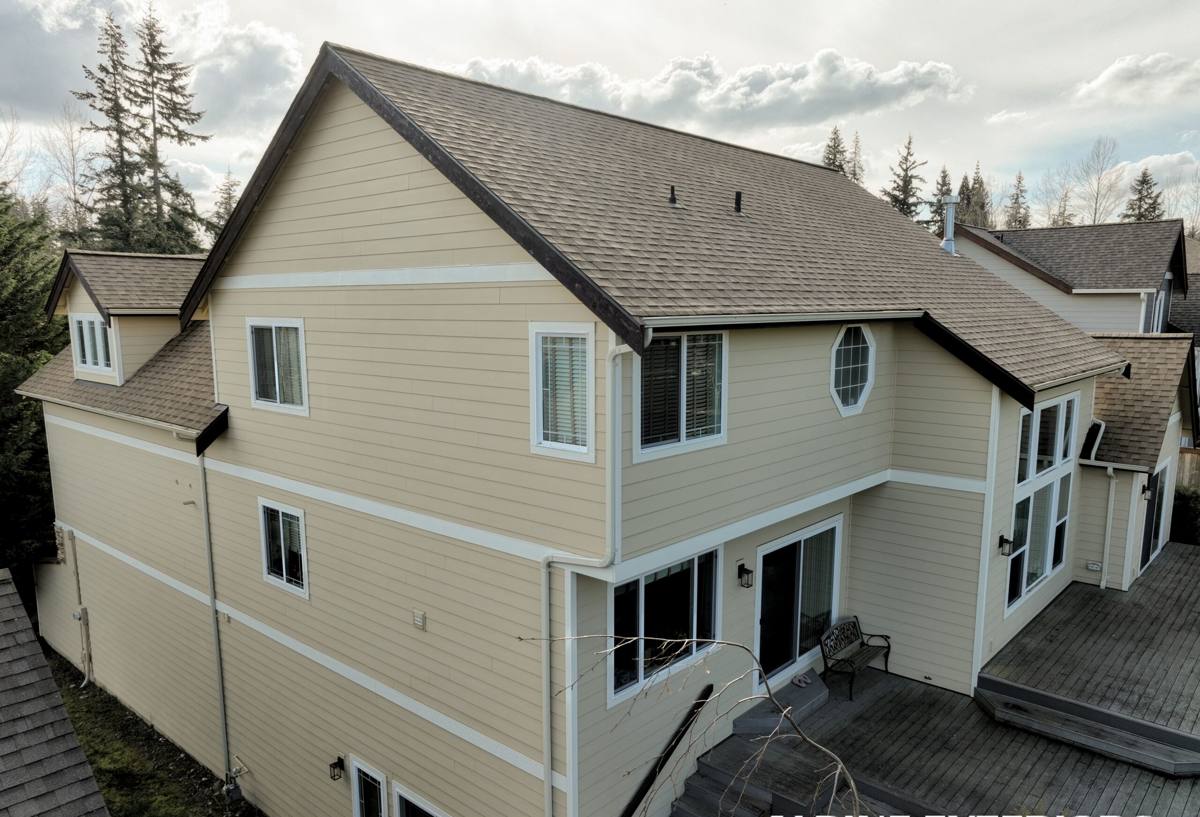
What Sarasota's Climate Actually Does to a Deck
Heat and UV
Florida sun is intense nearly year-round, and a deck surface takes that exposure directly, often with less shade than the rest of the yard depending on tree cover and orientation. Cheap composite blends can fade unevenly or soften underfoot in peak summer heat. Quality capped composite boards are engineered with UV-stable outer layers specifically to resist this, and color and board selection matters more here than in a milder climate.
Humidity and Moisture
Sarasota's humidity doesn't take a season off. Wood decking absorbs and releases moisture constantly in this environment, which is what drives cupping, splintering, and rot at fastener points over time. Composite doesn't absorb water the way wood does, but the substructure underneath it — ledger boards, joists, hardware — still needs to be built to shed water, not trap it.
Wind and Storm Season
Sarasota County sits squarely in hurricane territory, and decks attached to a home take real structural load in high wind — both from direct wind pressure and from wind-driven rain forcing moisture into any gap or unsealed connection. Railings, ledger attachment, and joist hangers all need to be rated for that, not just for everyday use.
Salt Air
The Meadows sits back from the immediate coastline, but Sarasota County air still carries salt content that reaches every property in the county to some degree. It's a slower, quieter problem than wind or rain — it shows up as corrosion on fasteners, hinges, and railing hardware that weren't rated for a coastal-adjacent environment. It's an easy thing to overlook and an expensive thing to fix after the fact.
What a Correct Composite Deck Build Actually Involves
The Substructure Comes First
The composite boards get the attention because they're what you see, but the framing underneath is what determines whether the deck lasts. Joist spacing has to match the manufacturer's specification for the board profile you're using — composite typically needs tighter joist spacing than traditional wood decking, especially at angles or picture-frame borders. Pressure-treated or coated framing, proper joist tape to protect end grain from moisture, and correct ledger board flashing where the deck ties into the house are not optional steps, even though none of them are visible once the job is done.
Fasteners and Hardware Rated for This Environment
Standard hardware corrodes faster in Gulf Coast humidity and salt-laden air than most homeowners expect. Structural connectors, screws, and hidden fastener systems should be stainless steel or coated specifically for coastal or high-corrosion environments. This is one of the most common places we see prior work cut corners — it doesn't fail in year one, it fails in year five, right when it's least convenient.
Board Spacing, Drainage, and Ventilation
Composite boards expand and contract with temperature more than most homeowners expect, and gap spacing has to account for that or boards will buckle at the ends. Airflow underneath the deck matters too — a deck built low to the ground or over a poorly drained area holds moisture against the joists no matter what's on top of them. Grading and drainage under the deck footprint should be addressed before the first board goes down, not treated as an afterthought.
Composite, PVC, and Wood: How They Compare Here
Every decking material has real trade-offs. We install composite as our standard for most Sarasota-area projects, and here's the honest comparison of why.
| Factor | Wood | Uncapped Composite | Capped Composite / PVC |
|---|---|---|---|
| Upfront cost | Lowest | Mid-range | Higher |
| Maintenance in this climate | Annual sanding/sealing | Occasional cleaning; can absorb moisture at cut edges | Wash as needed; no sealing |
| UV fade resistance | Fades and grays without upkeep | Moderate | Best, especially with capped stock |
| Moisture/humidity behavior | Prone to cupping, splintering, rot | More stable than wood, but edges can wick moisture | Most stable in high-humidity, wind-driven rain conditions |
| Typical lifespan | 10-15 years with upkeep | 15-20+ years | 25+ years, longer warranties |
| Heat underfoot | Moderate | Can run hot in direct sun | Better with lighter colors and capped stock |
We'll walk through these trade-offs honestly for your specific yard — orientation, shade, and how much sun your deck will actually see all factor into which board and color make sense.
How Our Process Works
- On-site assessment — we look at grading, drainage, existing structure (for replacements), sun exposure, and how the deck ties into the house.
- Design and material selection — board profile, color, railing style, and layout, sized to your framing needs.
- Permitting — we handle the permit process through Sarasota County and, where applicable, coordination with community architectural requirements.
- Framing and structural work — joists, ledger attachment, flashing, and hardware rated for humidity and salt exposure.
- Decking installation — hidden fastener systems where possible, correct expansion gaps, and clean, straight board runs.
- Railings, stairs, and finish work — fascia boards, post caps, and any lighting or trim details.
- Final walkthrough — we go over the finished deck with you and explain what maintenance, if any, it actually needs.
Railings, Stairs, and Finish Details
The railing system often takes more structural engineering than the deck surface itself, especially on elevated decks or where local wind load requirements apply. Aluminum and composite railing systems both hold up well in this climate and avoid the rust streaking that can come from lower-grade metal hardware over time. Stair stringers, post bases, and any structural connections at grade need the same corrosion-resistant hardware as the rest of the build — it's a small cost difference upfront and a real difference in how the deck looks and functions a decade out.
The Meadows: Deed Restrictions and Permitting
The Meadows is a deed-restricted community, and exterior projects like a new deck typically go through an architectural review process before work begins, in addition to standard Sarasota County permitting. Requirements vary by section and property within the community, so we don't assume — we confirm what applies to your specific property before finalizing a design, and we handle the county permit submission as part of the job so you're not chasing paperwork on your own.
Maintenance That Actually Matters in This Climate
One of the reasons homeowners move to composite is less upkeep, but "less" isn't "none." A short seasonal routine keeps a composite deck looking right in Sarasota's climate:
- Rinse or sweep off leaf and pollen debris regularly, especially under tree canopy — trapped organic matter can stain composite surfaces if left too long.
- Clean mildew or algae spots with mild soap and water before they set in — humidity makes this more likely here than in drier climates.
- Check railing and stair hardware periodically for corrosion, especially after storm season.
- Clear debris from under the deck to keep airflow and drainage working as designed.
- After any major storm, do a quick visual check of railings, stairs, and ledger attachment before heavy use.
Why Hiring a Crew That Already Works in The Meadows Matters
A deck built to a generic national spec sheet can still fail here if it ignores what this specific climate and this specific community require — from Sarasota County permitting details to the architectural review steps that come with a deed-restricted neighborhood like The Meadows. Working in this area regularly means we're not learning the permitting process or the climate math on your project. We know what hardware holds up, what board colors perform best under heavy shade versus full sun, and what drainage and framing decisions actually matter once wind and rain season hits.
If you're considering a new composite deck or replacing an aging one in The Meadows, we're glad to take a look and talk through what your specific property needs. Reach out for a free, no-pressure estimate using the form below.