 Sarasota Siding
 Building a Deck That Actually Holds Up in Fruitville
Fruitville sits inland along the Fruitville Road corridor in Sarasota County, a mix of established neighborhoods, newer subdivisions, and mature oak canopy that gives the area its character. It's not beachfront, but it's still Gulf Coast Florida, and that means every deck we build here has to survive the same basic threats: hurricane-force wind gusts, months of unrelenting UV exposure, wind-driven rain that finds its way into any gap it can, and the humid, salt-tinged air that moves inland off the Gulf. A deck built to a generic national spec, or built by a crew that doesn't work this county regularly, will show its age fast here — cupped boards, rusted fasteners, loose railings, soft framing. A deck built for Sarasota County conditions will still look and perform well a decade in.
This page is about one thing specifically: building a new deck for a home in Fruitville, what that job actually requires given our climate, and how we approach it so you get a structure that's safe, code-compliant, and low-hassle to own.
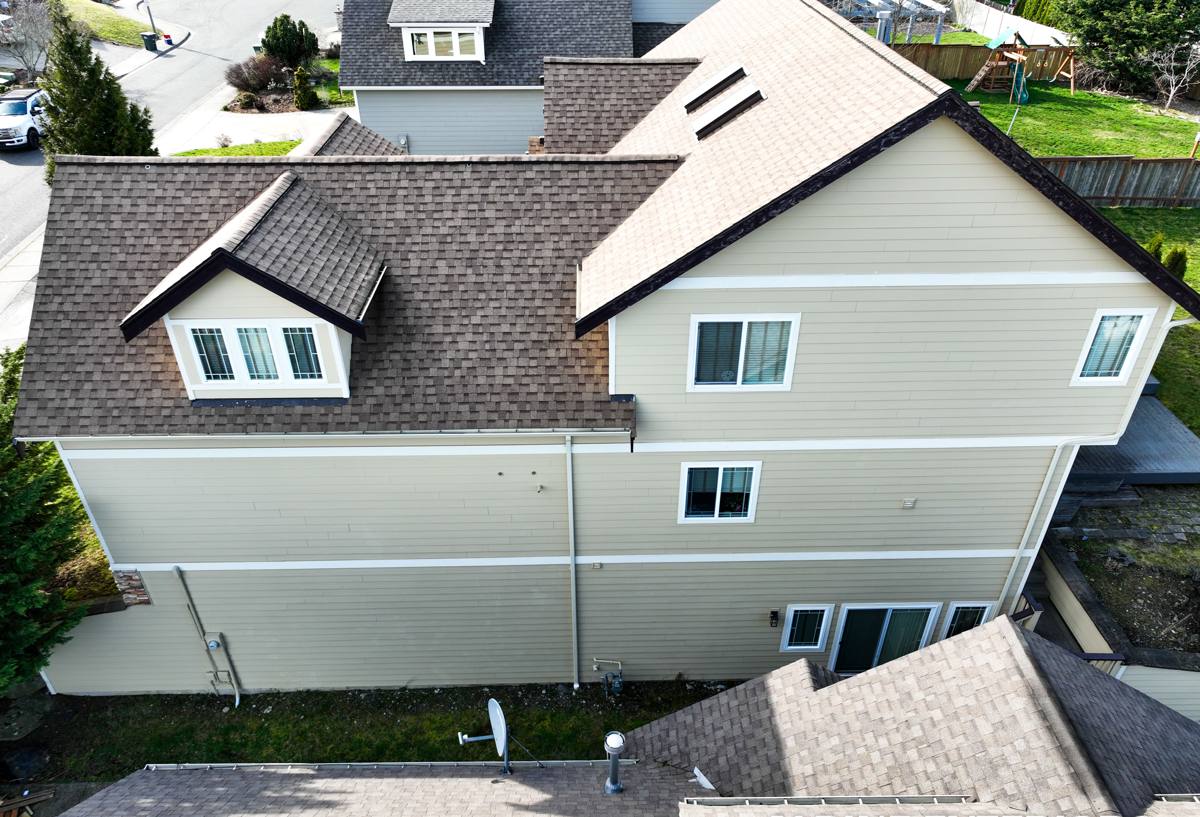
What Fruitville's Climate Actually Does to a Deck
Sun and UV Exposure
Sarasota County gets sun nearly year-round, and UV breaks down materials faster than most homeowners expect. Untreated or poorly finished wood grays and splinters within a couple of seasons. Cheaper composite decking without adequate UV inhibitors can fade unevenly, especially on a deck that gets full sun on one side and shade from tree canopy on the other — a common layout in this neighborhood. Railing systems, especially anything with vinyl or lower-grade plastic components, are also vulnerable to UV embrittlement over time.
Wind-Driven Rain and Moisture
Florida rain doesn't fall straight down during a storm — it comes in sideways, driven by wind, and it finds every seam, fastener hole, and unsealed cut end on a deck. Moisture that gets trapped between boards, around post bases, or inside ledger connections is what causes rot, fastener corrosion, and mold, usually starting from the inside where you can't see it until it's already a problem.
Hurricane and High-Wind Loads
Sarasota County is in a designated high-velocity wind zone, and decks — especially larger ones, elevated ones, or those with roof structures attached — need to be engineered and fastened to resist uplift and lateral loads, not just vertical weight. This affects everything from how the ledger attaches to the house, to post-to-beam connections, to how railings are anchored.
Humidity and Salt-Tinged Air
Fruitville is inland relative to the barrier islands, so it doesn't get the direct salt spray that waterfront properties do. But Gulf Coast humidity and airborne salt still travel this far inland, and over years that exposure accelerates corrosion on standard fasteners and hardware, and keeps wood moisture content higher than it would be in a drier climate. It's a slower version of the same problem coastal homes deal with, not a different one.
What a Correctly Built Deck Includes
A deck that's going to hold up under these conditions isn't just about picking a nice decking board. Every layer of the structure has to be right for the climate and the wind zone.
Footings and Foundation
Footing depth and diameter need to match Sarasota County soil conditions and the applicable wind load requirements, not a one-size-fits-all minimum. Undersized or shallow footings are one of the more common corner-cuts we see on older or poorly permitted decks in this area, and they're expensive to fix after the fact because the whole structure has to come apart.
Framing
Pressure-treated framing lumber rated for ground contact where applicable, proper joist spacing for the decking material chosen, and — critically in this wind zone — hurricane ties, structural screws, or approved connectors at every major joint instead of relying on nails alone. The ledger board attachment to the house is one of the highest-stakes connections on the whole structure; done wrong, it's a failure point in high wind or under heavy load.
Decking Surface
Whatever material you choose, proper spacing between boards for drainage and expansion, correctly countersunk and sealed fasteners, and attention to how the decking meets the house and any vertical surfaces, so water sheds off instead of pooling or wicking into end grain.
Railings and Stairs
Code-compliant baluster spacing and railing height, secure post anchoring rated for lateral load, and stair stringers sized correctly for the rise — these get inspected, and they're also what keeps people safe.
Choosing a Decking Material for This Climate
There's no single "best" decking material — there's the right material for your budget, how much upkeep you want to take on, and how the deck will be used. Here's how the common options actually perform in Sarasota County conditions:
| Material | UV & Fade Resistance | Moisture & Rot Resistance | Maintenance | Typical Lifespan Here |
|---|---|---|---|---|
| Pressure-Treated Wood | Fades and grays without regular sealing | Good if sealed and maintained; vulnerable if neglected | Annual cleaning and re-sealing recommended | 10-15 years with upkeep |
| Composite Decking | Good on quality products with UV inhibitors; varies by brand | Very good; won't rot | Periodic cleaning, no sealing needed | 20-25+ years |
| PVC/Capped Polymer Decking | Excellent | Excellent; fully moisture-resistant | Lowest maintenance of the group | 25-30+ years |
| Tropical Hardwoods | Fair; grays without oiling | Naturally rot-resistant when properly installed | Regular oiling to maintain color | 15-25 years |
We'll walk through these trade-offs honestly during your estimate. Wood costs less upfront but asks more of you every year. Composite and PVC cost more initially but hand back a lot of that maintenance time, which matters if you're not looking to re-seal a deck every summer in Florida heat.
Permitting and Sarasota County Code
Deck construction in Sarasota County requires a building permit in nearly all cases, and inspections at key stages — typically footings/piers before they're covered, framing before decking goes down, and a final inspection. Requirements around footing depth, ledger attachment, guardrail height, baluster spacing, and stair geometry are set by the applicable building code and the county's wind load requirements for the property's location.
Skipping or shortcutting the permit process is a real risk: unpermitted decks can create problems at resale, with insurance claims, and with future permitting on the property. A contractor who pulls the permit and handles the inspections as a normal part of the job is doing what should already be standard — it shouldn't be an upsell.
How Our Process Works
1. Site Visit and Design
We look at the existing structure or lot, discuss how you want to use the space, and talk through material and layout options given your budget and the site's sun/shade exposure. This is also when we flag anything site-specific — drainage, existing tree roots, grade changes — that affects the design.
2. Engineering and Permitting
For anything beyond the simplest ground-level deck, we prepare or obtain the engineering needed to meet Sarasota County's wind load and structural requirements, and we handle the permit application and scheduling of inspections.
3. Demolition and Site Prep (if applicable)
If we're replacing an existing deck, we remove the old structure and check the condition of anything we're not replacing, like an attached ledger area or existing footings, before building on top of it.
4. Framing
Footings, posts, beams, joists, and the ledger connection go in first, built to the engineered spec and inspected before anything gets covered up.
5. Decking, Railing, and Finish Work
Decking boards, railings, stairs, and any trim or skirting go on last, followed by final cleanup and a walkthrough with you.
6. Final Inspection
We schedule the county's final inspection and hand you the completed permit paperwork for your records — useful for insurance and for resale down the line.
Fasteners and Hardware: The Details That Fail First
On a coastal-adjacent deck, hardware is often the first thing to fail, long before the decking or framing lumber does. Standard electro-galvanized screws and nails corrode faster in Gulf Coast humidity and salt-tinged air than most homeowners expect, and once a fastener starts rusting, it weakens the connection it's holding and can stain the surrounding decking. We use stainless steel or high-grade coated structural fasteners and connectors rated for coastal or high-corrosion environments, particularly at ledger connections, post bases, and any hardware that's difficult to inspect or replace later. It costs more than generic hardware. It's also the difference between a deck that's still solid in fifteen years and one that starts needing hardware repairs in five.
Maintaining Your Deck in Sarasota County's Climate
Even a well-built deck needs some ongoing attention in this climate. What that looks like depends on the material, but a general seasonal checklist covers most of it:
- Clean the surface periodically to remove pollen, mildew, and organic debris before it stains or holds moisture
- Check and re-seal or re-oil wood decking on a regular schedule, especially before the rainy season
- Inspect railings and stair connections for looseness after major storms
- Look for rust staining around fasteners, which signals it's time to check hardware condition
- Keep gutters and downspouts near the deck clear so water isn't dumping directly onto the structure or footings
- Trim back vegetation and tree canopy that keeps sections of the deck damp and shaded longer than the rest
- Check under the deck periodically for standing water, soft framing, or pest activity
What a New Deck Typically Costs
Every project is different based on size, elevation, material, and structural complexity, but here's the general shape of the cost drivers:
| Factor | Lower Cost Direction | Higher Cost Direction |
|---|---|---|
| Decking Material | Pressure-treated wood | PVC or premium composite |
| Height/Elevation | Ground-level, minimal stairs | Elevated with multiple stair runs |
| Footprint and Shape | Simple rectangle | Multi-level, curved, or wraparound designs |
| Railing System | Basic code-compliant railing | Cable, glass, or custom railing |
| Site Access and Prep | Easy equipment access | Tight lot, demolition, or grading needed |
We'd rather give you real numbers based on your actual property and goals than a wide estimate that doesn't mean much. That's what the estimate visit is for.
Why Hire a Crew That Already Works Fruitville
A crew that regularly works Sarasota County knows the county's permitting process and inspection expectations without a learning curve, understands what footing depths and wind load specs actually apply to properties in this area, and has already seen how different decking materials hold up locally over years, not just in a showroom. That local track record matters more on a deck than almost any other exterior project, because a deck failure isn't cosmetic — it's a structural and safety issue, often discovered only after something's already gone wrong.
We're not asking you to take our word for the climate concerns here — Sarasota County's own building code reflects them, in the footing depths, wind load requirements, and fastening specs a permitted deck has to meet. Working with a contractor who treats those as the baseline, not an inconvenience, is what keeps your deck safe and your project out of trouble down the line.
If you're planning a new deck in Fruitville or thinking about replacing an aging one, we're happy to take a look and walk you through your options honestly. Fill out the form below for a free, no-pressure estimate — there's no obligation, just a straight assessment of what your project needs.