 Sarasota Siding
 Deck Building in Lakewood Ranch: What "Correct" Actually Means Here
Lakewood Ranch sits along the Sarasota-Manatee county line, and homes there deal with the same weather load as the rest of Sarasota County: long stretches of intense sun, sudden downpours that come in sideways during summer storms, and the real possibility of hurricane-force wind gusts several times a decade. A deck built to a generic national standard will survive a mild climate for twenty years without much trouble. That same deck in Lakewood Ranch will start showing problems in three to five — cupped boards, rusted fasteners bleeding through the wood, a railing that's gone wobbly, or worse, a ledger board pulling water into the house behind the siding. Building a deck correctly here isn't about upgrading for the sake of it. It's about matching the materials and the framing to conditions that are genuinely harder on outdoor structures than most of the country ever sees.
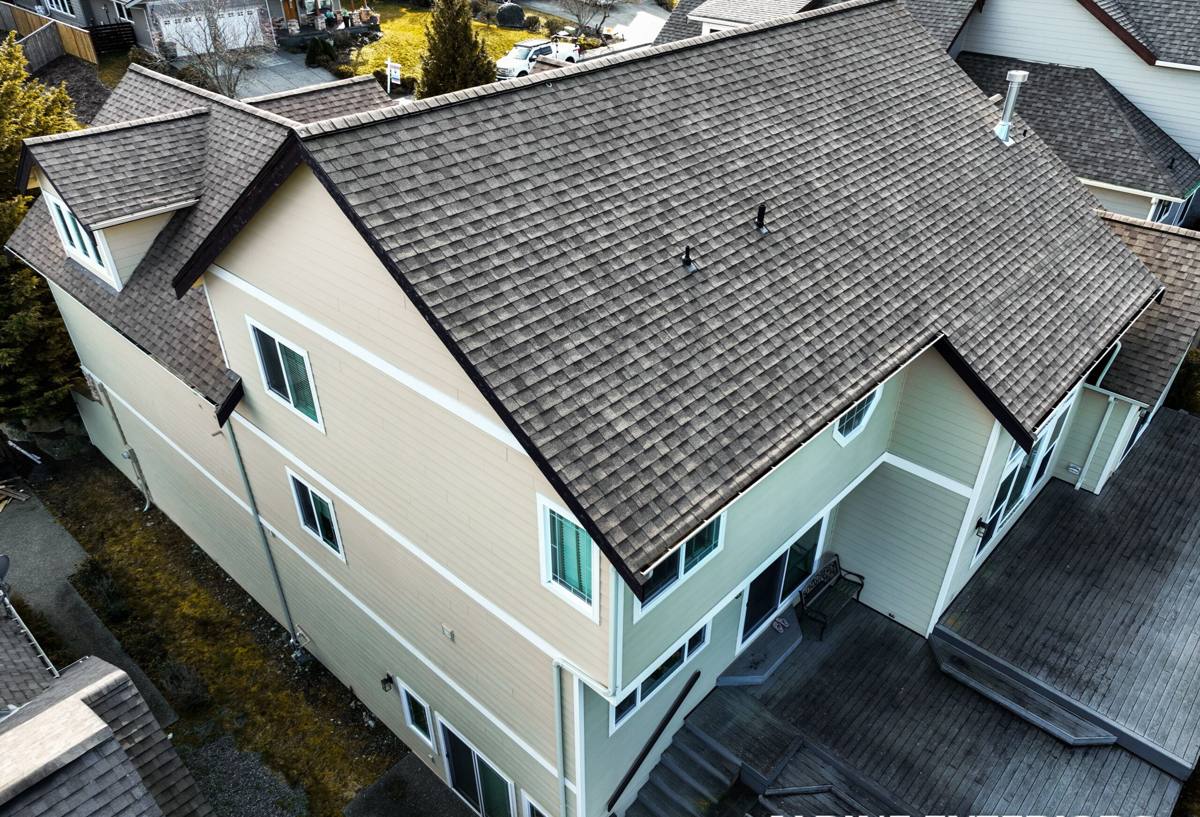
What the Climate Actually Does to a Deck
Three things do most of the damage to Florida decks, and they don't act one at a time — they compound.
Wind Load
Sarasota and Manatee counties both enforce the Florida Building Code's wind provisions, and a deck attached to a house is treated as part of that structure's load path, not an afterthought bolted on later. That means post spacing, joist hangers, and — critically — the connection between the deck and the house itself all have to be sized and fastened to resist uplift and lateral loads, not just support the weight of people standing on it. A deck that looks fine sitting still can still be under-built for wind.
UV Exposure
Sarasota gets sun nearly year-round, and UV breaks down wood fibers and degrades the color and surface chemistry of many decking products faster than in northern climates. Untreated or poorly finished wood grays and splinters. Lower-grade composite can fade unevenly, especially where furniture or planters shade part of a board and not the rest.
Wind-Driven Rain and Humidity
Florida rain rarely falls straight down during a summer storm — it comes in at an angle, driven by gusts, and it finds every gap in flashing or fastening that a calmer climate would never test. Combine that with the humidity that sits over this part of the state for months at a time, and you get the conditions that rot wood, corrode hardware, and grow mildew on anything that doesn't drain and dry quickly.
Choosing Decking Material for a Lakewood Ranch Home
There's no single "best" decking material — there's a best fit for your budget, how much upkeep you want to do, and how the deck will be used. Here's how the common options actually perform under Sarasota County conditions:
| Material | Upfront Cost | UV/Fade Behavior | Maintenance in FL Climate | Realistic Lifespan Here |
|---|---|---|---|---|
| Pressure-treated pine | Lowest | Grays and splinters without regular sealing | Reseal or stain every 1-2 years | 10-15 years with upkeep |
| Tropical hardwood (e.g. ipe) | High | Silvers/grays over time unless oiled regularly | Annual oiling recommended for color; low structural maintenance | 25+ years |
| First-generation composite | Mid-range | Can fade and, in older formulations, absorb moisture | Occasional cleaning; watch for moisture uptake at cut ends | 15-20 years |
| Capped composite / PVC | Highest | Best fade and stain resistance of the group | Soap-and-water cleaning; minimal upkeep | 25-30+ years |
Our standard on Florida jobs is to steer homeowners toward capped composite or PVC decking whenever the budget allows, simply because the moisture behavior is more predictable in this climate — the cap layer keeps humidity and wind-driven rain from working into the board core the way it can with uncapped products. That's not a knock on wood; plenty of homeowners want the natural look and are willing to keep up with sealing. It's a maintenance and moisture trade-off, and we'll walk through it honestly rather than pushing whatever's easiest for us to install.
The Framework Underneath Is What Actually Fails First
Homeowners judge a deck by the decking boards, but the framing underneath is what determines whether the deck is still standing — and still attached to the house — after the next tropical storm. This is where a rushed job shows up years later, quietly, until it doesn't.
Ledger Board Attachment and Flashing
The ledger board — the piece that bolts the deck to the house's rim joist — is the single most common failure point on residential decks nationally, and Florida's wind-driven rain makes it worse here. If the flashing behind the ledger isn't installed correctly, water gets pushed up and behind it during a storm instead of running off, and it starts rotting the house's band board and siding from the inside where nobody sees it until there's a soft spot or a stain. Because we also work on siding, we treat the ledger-to-house connection as a siding and waterproofing detail, not just a carpentry one — flashing gets lapped correctly with the house's water-resistive barrier, not just caulked and hoped for.
Footings, Posts, and Hardware
Florida's sandy soil doesn't have a frost line to dig below, but footings still have to be sized to the load they're carrying and poured to the depth and diameter the local building department requires — undersized footings are a common shortcut on cheap deck jobs. Post-to-beam and beam-to-joist connections should use code-rated hardware, not just toe-nailing, and in wind zones like ours, hurricane ties or hold-down hardware at key connections matter for keeping the deck's frame acting as one unit under uplift rather than racking apart.
Fasteners
Most pressure-treated lumber sold today uses a copper-based preservative (ACQ), which corrodes standard electro-galvanized screws and nails over time. In a humid climate that's already hard on hardware, we use stainless steel or hot-dip-galvanized fasteners rated for ACQ contact — it costs more up front and it's the difference between hardware that lasts the life of the deck and hardware that's bleeding rust streaks down your boards in five years.
Guardrails, Stairs, and the Code Details That Get Skipped
Florida Building Code sets minimum guardrail heights and baluster spacing for a reason — falls from decks are a real injury risk, and inspectors check this closely. Guardrails generally need to reach a minimum height with gaps between balusters narrow enough that a small child can't pass through, and stair railings and stringers have their own spacing and support rules. These aren't places to save money by eyeballing it; they're also the details a building inspector will flag first if they're off, which stalls your final approval and your ability to legally use the deck.
Permits and Inspections in Sarasota and Manatee Counties
Because Lakewood Ranch straddles both Sarasota and Manatee counties, which building department you pull a permit from depends on exactly where your lot sits — but the requirement itself doesn't change. Any deck attached to a house, and most freestanding decks above a certain height, needs a permit, and larger or elevated decks often need engineered plans showing the framing meets local wind-load requirements. Many Lakewood Ranch communities also have their own HOA or deed-restriction review on top of the county permit — material, color, and sometimes railing style can be subject to community approval before the county ever sees the plans. We handle the permit and inspection process as part of the job and will tell you up front if your community requires HOA sign-off, so there are no surprises mid-project.
How We Approach a Deck Build
- On-site assessment — we look at the house's existing structure where the deck will attach, the soil and drainage at the site, sun and wind exposure, and how you actually plan to use the space.
- Material and layout conversation — an honest walkthrough of decking options, framing approach, and railing style against your budget, with real trade-offs explained rather than upsold.
- Permitting — we prepare and submit what the applicable county building department requires, including engineering where the size or elevation calls for it, and handle HOA submittals where needed.
- Framing — footings, posts, beams, joists, and the ledger connection, built and fastened to code with corrosion-resistant hardware throughout.
- Decking, railing, and stairs — installed with proper board spacing for drainage and airflow, and railing built to code height and spacing.
- Final inspection and walkthrough — we get the county sign-off and walk the finished deck with you before we call the job done.
Keeping a Deck Sound After We Leave
A well-built deck in this climate still needs some ongoing attention — the difference is how much, and how forgiving it is if you fall behind. A basic seasonal checklist we give Lakewood Ranch homeowners:
- Sweep debris out of board gaps so water keeps draining instead of pooling and feeding mildew growth.
- Check railing posts and stair stringers for movement at least once a year — early looseness is a quick fix, not a rebuild.
- Inspect the ledger board area and flashing after major storms for any sign of water staining on the siding just above or below the connection.
- Reseal or stain wood decking on the schedule the product calls for — skipping a cycle in Florida sun accelerates graying and checking fast.
- Rinse composite or PVC decking with soap and water periodically; pollen, mildew film, and salt residue build up faster here than in drier climates.
- Watch for rust bleed at fastener heads — an early sign hardware wasn't rated for the treated lumber it's driven into.
Why It Matters That We Already Work in Lakewood Ranch
A crew that only occasionally works this area has to relearn the same things every job: which county's building department the lot falls under, which local HOAs review deck plans and how, and how the sandy soil and drainage patterns typical of this part of Sarasota County behave under a footing. A crew that works Lakewood Ranch regularly already knows that going in, which means fewer surprises, fewer permit delays, and a framing approach that's already accounting for the wind and rain this specific area sees — not a generic build adjusted after the fact.
Get an Honest Look at Your Project
Every property is a little different — lot orientation, existing structure, soil, and how you want to use the space all change what the right deck looks like. If you're planning a new deck or replacing one that's showing its age, we're happy to come take a look and give you a straight assessment, with a free, no-pressure estimate through the form below.