 Sarasota Siding
 Deck Repair in Rosemary District: What Sarasota's Climate Does to Outdoor Living Spaces
Rosemary District sits in the heart of Sarasota, close enough to the bay and the barrier islands that every deck, porch, and outdoor structure in the neighborhood takes the same environmental beating: salt-laden air, long stretches of intense UV, seasonal downpours, and the occasional tropical system pushing wind-driven rain sideways into every joint and seam. Homeowners here tend to have a mix of older Florida-vernacular homes and newer infill construction, and in both cases the decks attached to them age faster than decks would almost anywhere else in the country.
Deck repair in this part of Sarasota County isn't a cosmetic afterthought — it's a structural safety issue. A deck that looks fine from a few feet away can have soft ledger boards, corroded fasteners, or compromised footings underneath. Our job is to find those problems early, fix them correctly, and leave you with a deck that can actually handle another decade of Gulf Coast weather.
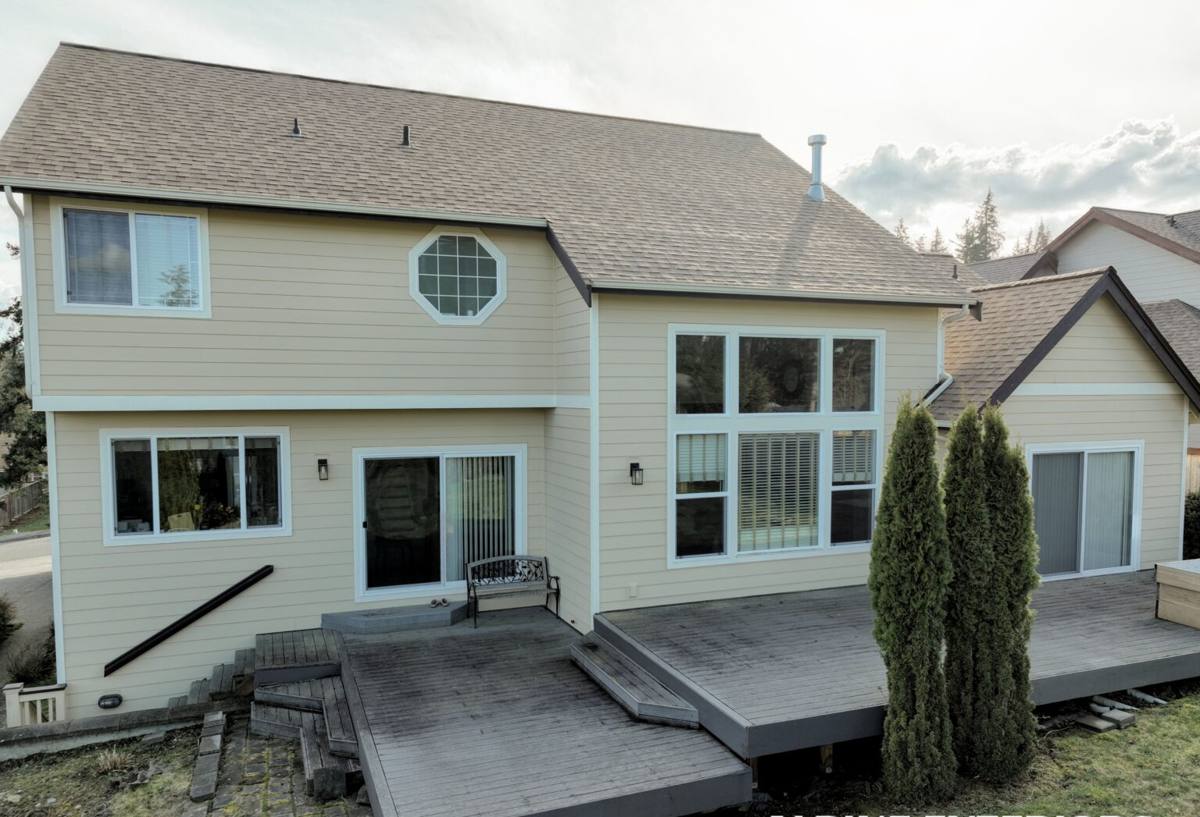
Why Decks in Rosemary District Wear Out Faster
Salt Air and Metal Fatigue
Even a few miles from the water, salt aerosol carried on the breeze settles on every exposed surface. It's especially hard on fasteners, joist hangers, and structural connectors. Once galvanized coatings start to break down, corrosion works from the inside of a connection outward — which means a screw or bracket can look mostly intact while it's already lost a meaningful percentage of its holding strength.
UV Breakdown
Sarasota gets sun exposure most of the year, and UV radiation breaks down the lignin in wood fibers and the polymers in composite decking alike. Wood grays and gets brittle; composite boards can fade, chalk, or become more prone to surface damage over time. Either way, the material's protective qualities degrade well before it looks obviously "worn out."
Wind-Driven Rain and Moisture Cycling
The bigger issue isn't rainfall totals — it's how rain arrives. Tropical storm and hurricane-season weather drives water horizontally into ledger connections, stair stringers, and railing posts, places that were never designed to shed water from that angle. Combined with Sarasota's humidity, decks go through constant wet-dry cycling that wood movement and connection integrity don't tolerate well over the years.
Storm Loading
Hurricane-force wind events put real lateral and uplift stress on railings, stairs, and the connection between the deck and the house. A deck that was built to code a decade or two ago may have hardware and fastening methods that don't meet what we'd install today, especially around ledger attachment — often the single most important structural connection on an attached deck.
What a Correct Deck Repair Actually Involves
A lot of deck "repairs" in this market are surface-level: replace a bad board, call it done. That approach misses the point. The board that failed usually failed because of something happening underneath it — trapped moisture, a compromised joist, a loose ledger bolt. We treat every repair call as a chance to check the structure, not just patch the symptom.
- Inspect the ledger board connection to the house — the most critical structural point on an attached deck
- Check joists, beams, and posts for soft spots, splitting, or rot, especially near ground contact and under boards that sit close together
- Evaluate all metal hardware for corrosion, not just visible rust — a joist hanger can look fine and still be failing internally
- Test railing posts and top rails for movement, since loose railings are one of the most common safety hazards we find
- Look at footings and post bases for settling, cracking, or water pooling around the base
- Assess stair stringers, which take repeated impact and flex and often show fatigue before the rest of the structure does
- Check for proper flashing at the house connection, since a missing or failed flashing detail is one of the top causes of hidden ledger rot
When we find a problem, we tell you what we found in plain terms, what it means for the safety and lifespan of the deck, and what the honest repair options are — including when a targeted repair makes sense and when a section is far enough gone that patching it would just be delaying a bigger job.
Common Deck Repair Needs We See Around Rosemary District
| Issue | What Causes It | Typical Fix |
|---|---|---|
| Soft or spongy decking boards | Moisture trapped between boards or under debris buildup | Board replacement, improved gapping and drainage |
| Loose or wobbly railings | Corroded fasteners, wood movement at post connections | Re-anchor posts, replace hardware with corrosion-resistant fasteners |
| Rust streaks around fastener heads | Standard fasteners not rated for coastal exposure | Replace with stainless or coated fasteners rated for coastal use |
| Sagging or bouncy deck surface | Undersized or weakened joists, spacing issues | Sister joists or replace affected framing members |
| Gaps or separation at the house connection | Ledger flashing failure, wood movement, fastener pull-through | Re-flash and re-fasten ledger per current structural standards |
| Cracked or splitting stair stringers | Repeated flex, moisture cycling, undersized stock | Stringer replacement or reinforcement |
Repair, Reinforce, or Rebuild — How We Decide
Not every deck problem needs a full rebuild, and we're not going to tell you it does. The decision comes down to how much of the structural system is still sound.
When Repair Makes Sense
If the framing, ledger connection, and footings are solid and the issues are isolated — a few bad boards, loose railings, some corroded hardware — targeted repair is the right call. It's faster, less disruptive, and costs a fraction of a rebuild.
When Reinforcement Is the Right Move
Sometimes the structure is sound but under-built for current conditions — undersized joists, inadequate ledger fastening, or railings that don't meet current attachment standards. Reinforcing those specific systems can extend a deck's safe service life significantly without touching the parts that are working fine.
When Rebuilding Is the Honest Answer
If rot has spread through multiple structural members, if the ledger connection has failed, or if the deck was never built to handle the loads it's seeing, patchwork repair is a short-term fix that costs you money twice. We'll always tell you when that's the situation rather than stringing along a series of repairs on a structure that's past the point of being reliably fixable.
Our Deck Repair Process
- On-site inspection — We walk the full structure, including underneath the deck where visible, checking framing, connections, and hardware, not just the walking surface.
- Written findings and options — You get a clear explanation of what we found, why it happened, and the realistic repair paths, with honest tradeoffs for each.
- Scope and scheduling — Once you approve a plan, we schedule the work and order any materials that need to match your existing decking or railing.
- Repair work — We replace or reinforce only what needs it, using fasteners and hardware suited to Sarasota's coastal exposure rather than standard interior-grade hardware.
- Final walkthrough — We check the repaired areas together, test railings and stairs for solid connection, and make sure nothing was missed.
Materials and Hardware Matter More Here Than Most Places
In a coastal Florida market like Sarasota, using the same fasteners and connectors you'd use on an inland deck is a mistake that shows up within a few years as rust bleed and weakened joints. We use fasteners and structural connectors rated for coastal and treated-lumber exposure, and we pay close attention to flashing details at the ledger — the single most common point of hidden failure on attached decks in humid, storm-exposed climates. Whether your deck is wood or composite, the framing and hardware underneath need to be built for salt air and moisture cycling, not just for the sunny days.
Why It Matters to Hire a Crew That Already Works in Rosemary District
A crew that regularly works in and around Sarasota knows what this climate does to decks over five, ten, and twenty years — not just what a repair manual says in theory. That familiarity shows up in small but important decisions: which hardware actually holds up here, where moisture tends to collect on homes built in this style of neighborhood, and how to sequence repairs around Florida's rainy season so the work isn't compromised before it's finished. It also means a crew that understands Sarasota County permitting and inspection expectations for structural deck work, so repairs are done to code, not just to look right.
Signs You Shouldn't Ignore
- Noticeable movement or bounce when walking across the deck
- Railings that shift or flex when you lean on them
- Soft spots you can feel through your shoes, even if the board looks fine
- Rust streaking near fastener heads or connector plates
- Gaps opening up where the deck meets the house
- Standing water that doesn't drain off the surface within a reasonable time
Any one of these on its own might be minor. Several together, or any sign near a stair or railing connection, is worth having looked at before it becomes a safety issue rather than a repair line item.
If you're noticing any of these signs on a deck in Rosemary District or elsewhere in Sarasota, we're happy to take a look and give you a straightforward assessment. Use the form below to request a free, no-pressure estimate — there's no obligation, just an honest read on what your deck actually needs.