 Sarasota Siding
 Downtown Sarasota Roofs Work Harder Than Most
A roof in downtown Sarasota isn't dealing with one climate stress — it's dealing with all of them at once, year-round. You've got intense subtropical UV breaking down roofing materials from above, salt-laden air drifting in off the bay that accelerates corrosion on metal fasteners and flashing, wind-driven rain that finds every weak seam during summer storms, and the real possibility of hurricane-force winds during the June-to-November season. None of these stresses is unique to Sarasota, but the combination — plus the density of downtown lots, mature tree canopy, and a mix of older and newer construction — is what makes a correct installation here different from a roof going on a house forty miles inland.
This page is about one job in one area: putting a new roof on a home in or near downtown Sarasota, done in a way that actually holds up to what this specific location throws at it.
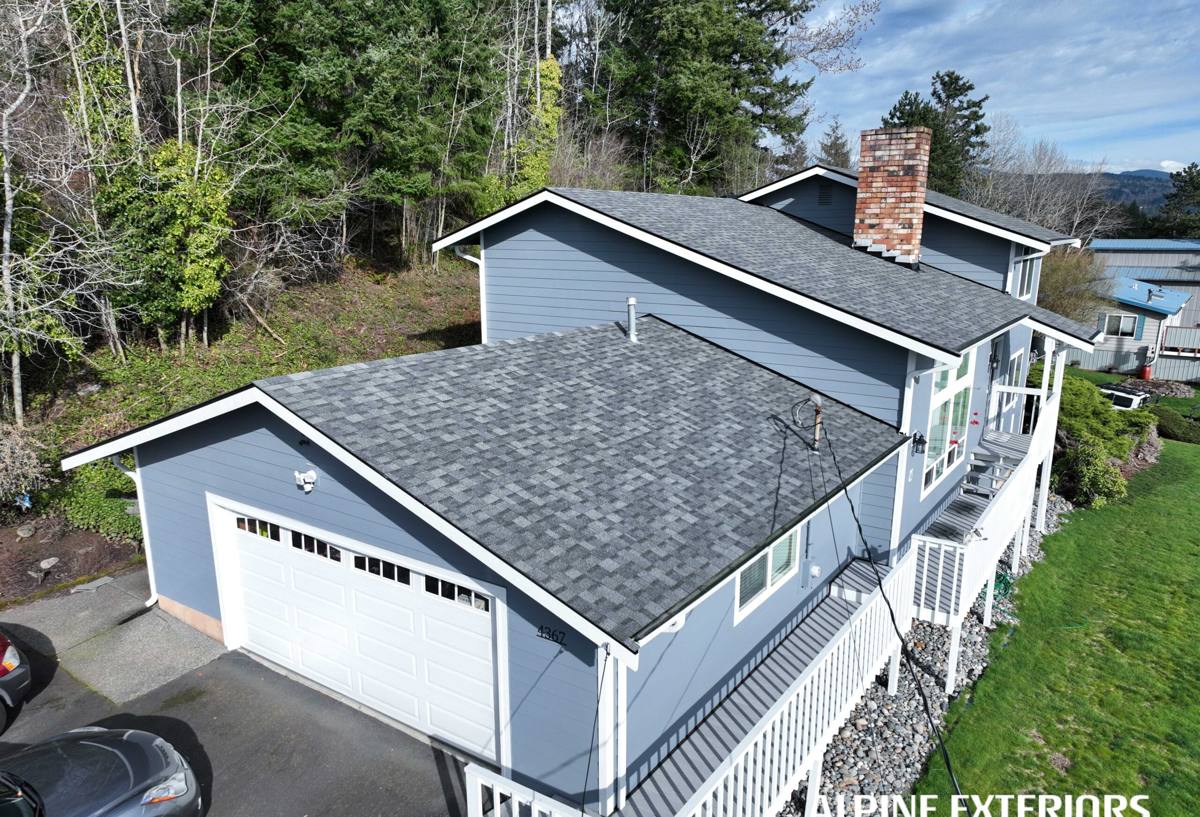
What Downtown Sarasota Homes Actually Need From a New Roof
A Mixed, Often Older Housing Stock
Downtown Sarasota and its surrounding neighborhoods include everything from mid-century bungalows to newer infill construction to condo and townhome buildings. Older homes frequently have roof decking, ventilation, and framing that were built to a different code era than what's required today. A new roof installation on these homes isn't just a material swap — it's an opportunity to bring the whole roof assembly up to current wind and moisture standards, which the old roof was never designed to meet.
Salt Air Exposure
Proximity to Sarasota Bay and the Gulf means airborne salt reaches roofs even several miles inland, and it's harder on exposed metal than most homeowners realize — fasteners, drip edge, flashing, and any exposed metal roofing components. Material and hardware choices matter more here than they would on a roof further from the coast.
Tight Lots and Access
Many downtown lots are narrow, close to neighbors, and short on staging space compared to newer suburban construction. Dumpster placement, material staging, and crew logistics have to be planned around that reality — not treated as an afterthought once the crew shows up.
Signs a Downtown Sarasota Roof Needs Replacing, Not Patching
Not every roof problem calls for a full replacement, but in this climate, deferred roofs tend to fail faster than they would in milder ones. Watch for:
- Shingles that are cupping, curling, or losing significant granule coverage (visible as bald, shiny patches)
- Multiple recent repairs in different areas rather than one isolated leak
- Soft or spongy spots when walking the roof, indicating decking damage underneath
- Rusting, lifting, or corroded flashing around chimneys, vents, and roof-to-wall transitions
- Visible daylight or water staining in the attic, especially after wind-driven rain
- A roof that's approaching or past its material's expected service life, especially if it's never been reviewed after a hurricane season
- Rising insurance premiums or a carrier requesting a wind mitigation inspection or roof age documentation
If you're seeing two or more of these, it's worth getting a straight answer on whether repair or replacement is the honest call — not just an assumption in either direction.
Roofing Materials: What Performs in This Climate
There's no single "best" roofing material for every downtown Sarasota home — it depends on the structure, the budget, and the look you want. Here's how the common options actually compare for this specific environment:
| Material | Wind Performance | Salt Air Durability | Typical Lifespan | Maintenance Burden |
|---|---|---|---|---|
| Architectural asphalt shingles | Good, with proper wind-rated installation | Moderate — hardware and flashing need corrosion-resistant fasteners | 20-30 years | Low to moderate |
| Standing seam metal | Excellent when properly fastened | Very good with coastal-grade coatings and fasteners | 40-50+ years | Low |
| Concrete or clay tile | Very good when installed with correct fastening system | Excellent — tile itself doesn't corrode | 40-50+ years | Moderate (underlayment and flashing still age faster than the tile) |
Lifespan numbers are general ranges, not guarantees — actual service life depends heavily on installation quality, ventilation, and how many storm seasons the roof takes a direct hit. A cheap installation of a premium material will underperform a correct installation of a modest one.
What a Correct New Roof Installation Actually Involves
Tear-Off and Deck Inspection
We remove the existing roofing down to the deck and inspect it before anything new goes on. Soft, delaminated, or water-damaged decking gets replaced — covering over bad decking with new shingles is one of the most common shortcuts that leads to early failure, and it's not something we do.
Underlayment and Water Barrier
Given how much wind-driven rain this area sees, the underlayment layer matters as much as the visible roofing material. A synthetic or self-adhering underlayment, properly lapped and sealed at penetrations, is what actually keeps water out when wind pushes rain sideways under the shingles or tiles.
Flashing and Fastening
Corrosion-resistant flashing and fasteners at every roof-to-wall junction, chimney, skylight, and vent — this is where salt air does the most damage over time, and it's also where most leaks originate. Wind-rated nailing patterns matter here too; a shingle roof installed to a lower wind rating than the material is capable of is a common corner cut.
Ventilation
Proper attic ventilation controls heat and moisture buildup, which matters both for shingle life under intense Florida sun and for preventing moisture problems in older homes with less-than-ideal attic design.
Permitting and Inspection
New roof installations in Sarasota require a building permit and inspection through the applicable local building department, with materials and fastening methods meeting Florida Building Code wind-load requirements for this region. This isn't optional paperwork — it protects your insurance standing and your resale value, and it's handled as a standard part of the job, not an add-on.
Permitting, Wind Mitigation, and Insurance
Florida's building code sets wind-load requirements based on your location's design wind speed, and Sarasota's coastal exposure puts it in a higher wind zone than inland parts of the state. A properly permitted and installed new roof can also qualify you for a wind mitigation inspection, which many insurance carriers use to reduce windstorm premiums. That inspection documents things like roof shape, deck attachment, and roof-to-wall connections — details that are only verifiable if the installation was done correctly and documented in the first place. We handle the permit process and leave you with the paperwork you'll need for that inspection and for any future insurance or resale conversation.
How Our Process Works
- On-site assessment — we inspect the current roof, decking condition, and any problem areas, and talk through material options that fit your home and budget.
- Written estimate — a clear scope of work and price before anything is signed, with no pressure to decide on the spot.
- Permitting — we pull the required permit and coordinate inspections with the local building department.
- Tear-off and deck repair — old roofing removed, deck inspected, and any damaged sections replaced before new material goes down.
- Installation — underlayment, flashing, and roofing material installed to current wind-rating and code requirements.
- Cleanup and final walkthrough — site cleaned, debris and nails swept from the yard, and a walkthrough so you know exactly what was done.
Why a Crew That Already Works Downtown Sarasota Matters
Downtown Sarasota has its own logistics: tight streets and driveways, mature trees to work around, close-set neighbors, and in some cases HOA or condo association requirements on top of the standard permit process. A crew that regularly works this specific area already knows how to stage a job without blocking a narrow street all day, how to communicate with a downtown HOA when one's involved, and what the local building department expects on inspection day. That familiarity translates directly into fewer delays and fewer surprises for you — versus a crew that's learning the neighborhood's quirks for the first time on your job.
It also means we're not disappearing after the job is done. A roofing company that works this area consistently has a reason to stand behind its work here — reputation in a neighborhood this connected matters, and it's a better guarantee of accountability than a contract alone.
Get a Straight Answer on Your Roof
If your roof is showing its age or you're planning ahead of the next storm season, we'll come look at it, give you an honest read on repair versus replacement, and walk you through material options that make sense for a downtown Sarasota home. The estimate is free, there's no pressure, and you'll get a clear answer either way — use the form below to get started.