 Sarasota Siding
 Siding Repair Built for Ellenton's Climate
Homes in and around Ellenton sit on a stretch of the Gulf Coast that is genuinely hard on exterior building materials. Hurricane-force wind events, wind-driven rain that gets pushed sideways into wall assemblies, intense year-round UV exposure, and a steady dose of salt air off the coast all work on siding at the same time, year after year. A repair that looks fine from the driveway can still be hiding a problem that started months or years earlier. Getting siding repair right in this area means understanding how those forces actually damage a wall system, not just patching what's visible.
This page covers what Ellenton homeowners should know about siding repair specifically — what tends to fail here, what a correct repair actually involves, and why the materials and crew you choose matter as much as the repair itself.
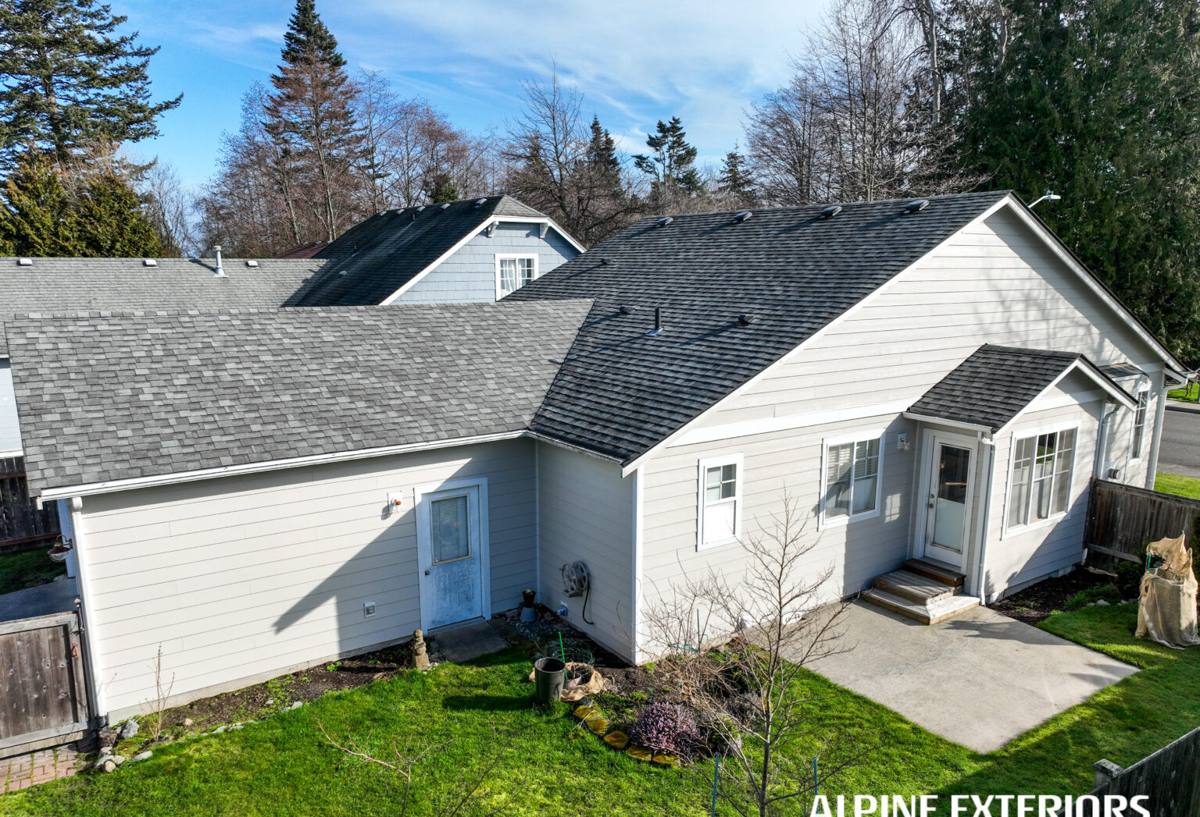
How Local Conditions Damage Siding Over Time
Wind and Storm Impact
Sustained high winds and the debris they carry can crack, chip, or completely dislodge siding panels and trim. Even when a storm doesn't cause obvious visible damage, it can loosen fasteners, work seams apart, or stress caulked joints enough that water starts finding its way behind the siding on the next heavy rain.
Wind-Driven Rain
Normal rain falls straight down and sheds off a properly lapped wall. Wind-driven rain doesn't behave that way — it gets forced sideways and upward into laps, seams, and any gap around windows, doors, and penetrations. Over time this is one of the most common ways moisture gets behind siding without ever showing up as an obvious leak indoors.
UV Exposure
Florida sun is relentless on painted and coated exterior surfaces. UV breaks down paint film, causes fading and chalking, and can dry out and crack lower-quality substrates faster than in milder climates. Repairs made with mismatched or lower-grade material tend to weather differently than the surrounding wall, which is why patch jobs often look worse a year or two later.
Salt Air
Even a few miles from the water, airborne salt accelerates corrosion of fasteners, flashing, and any exposed metal trim. Corroded fasteners lose their grip over time, which is a quiet, common cause of panels that start to bow, gap, or work loose without any single dramatic event causing it.
Signs Ellenton Homeowners Should Watch For
Siding damage in this climate doesn't always announce itself. Some of it is obvious, but a lot of the damage that matters most starts small and hides in plain sight.
- Visible cracks, splits, or chips in siding panels or trim boards
- Panels that look warped, bowed, or no longer sit flush against the wall
- Soft or spongy spots when pressed, especially near the bottom of walls
- Peeling, bubbling, or persistently chalky paint in one area but not others
- Gaps opening up at seams, corners, or around windows and doors
- Rust streaks running down from fasteners or metal trim
- Discoloration, staining, or a musty smell near an exterior wall from inside the house
- Missing or visibly loose sections after a storm, even if the rest of the wall looks fine
Any one of these on its own might be minor. Several together, or damage concentrated on the side of the house that takes the most wind and sun, usually means it's worth a real inspection rather than a wait-and-see approach.
What a Correct Siding Repair Actually Involves
A repair that only replaces what's visibly broken can leave the actual cause of the failure in place. Done correctly, siding repair in a climate like this one involves a few distinct steps, not just swapping a damaged board.
1. Find the Cause, Not Just the Symptom
Before anything is replaced, the area needs to be checked for what let moisture or damage in to begin with — a failed seam, a gap in flashing, a fastener that backed out, or caulking that's cracked and no longer sealing. Replacing a panel without addressing the underlying entry point usually means the same repair is needed again in a year or two.
2. Check What's Behind the Siding
Water that's gotten behind siding can affect the water-resistive barrier and, in worse cases, the wall sheathing underneath. A proper repair opens things up enough to confirm what's underneath is sound — or address it if it isn't — instead of covering over a problem that will keep spreading behind the new material.
3. Match the Repair to the Existing Wall
Siding repairs are far more noticeable when the replacement material doesn't match the profile, reveal, or finish of what's already on the wall. This matters more in coastal sun, where color and texture differences become obvious quickly as the older siding continues to weather.
4. Reinstall to Spec, Not Just to Close the Gap
Correct fastener type and placement, proper flashing at penetrations, and correct lap and clearance are what actually keep water out going forward. A repair that's fast but skips these details tends to fail again at the same spot.
Repair or Replace? What Actually Decides It
Not every siding problem calls for full replacement, and not every problem is truly fixable with a patch. The right call depends on how widespread the damage is and what's causing it.
| Situation | Repair Usually Makes Sense | Replacement Usually Makes Sense |
|---|---|---|
| Extent of damage | Isolated to one area or a few panels | Spread across multiple walls or elevations |
| Underlying wall condition | Sheathing and barrier are sound | Moisture has compromised sheathing in multiple spots |
| Age of existing siding | Siding is well within its expected service life | Siding is near or past the end of its useful life |
| Material match | Matching material and finish are available | Original product is discontinued or won't match |
| Cause of damage | Single storm event or isolated fastener failure | Ongoing, chronic moisture or systemic installation issues |
An honest inspection should walk through these factors with you plainly, rather than defaulting to the option that's more expensive or the one that's fastest to close out.
Why Material Choice Matters in a Repair — Not Just a New Install
We install and repair exclusively with James Hardie fiber cement siding. When we're called out to repair damaged siding that isn't Hardie, we'll still give you a straight assessment of what's going on and what your real options are — but when it comes to the material used to make the repair itself, or when a section needs to be replaced outright, Hardie is what we recommend and what we install.
The reasoning is practical, not just brand preference. Fiber cement doesn't rot, and it isn't a food source for pests. It's non-combustible, which matters to a lot of homeowners regardless of climate. James Hardie's HZ5 product line in particular is engineered for high-humidity, storm-prone climates like Florida's, and the factory-applied ColorPlus finish is baked on and warrantied against fading in a way that field-applied paint on a repaired section usually can't match. When you're patching a wall that already lives through hurricane wind, wind-driven rain, and constant UV, starting with a material designed for exactly that environment makes the repair more likely to actually last.
We won't tell you a competitor's product is garbage — plenty of siding materials have a place. But we've made a professional decision to standardize on one system we trust fully, install correctly every time, and stand behind, rather than juggling multiple product lines with different installation quirks and warranty terms.
Our Repair Process
- Inspection. We walk the exterior, check the areas you're concerned about, and look at the whole envelope — damage on one wall is often a clue to check nearby areas too.
- Diagnosis. We identify the actual cause — storm impact, a failed seal, fastener corrosion, or a chronic moisture path — and explain it in plain terms.
- Straight recommendation. We tell you honestly whether a targeted repair is enough or whether a larger section (or the whole wall) is the smarter long-term move, and why.
- Correct repair. Matching material, proper flashing and fastening, and attention to the details that actually stop water — not just a fast patch.
- Written estimate, no pressure. You get a clear scope and price before any work starts.
Why It Matters to Hire a Crew That Already Works This Area
Siding repair isn't one-size-fits-all across Florida, let alone across the country. A crew that regularly works in Ellenton and the surrounding Sarasota-area coast already understands how local storm patterns, sun exposure, and salt air interact with a wall system — and has seen firsthand which repair shortcuts fail early in this environment and which methods actually hold up. That local track record matters more than it might seem: it's the difference between a repair that's built to handle another hurricane season and one that's just cosmetic.
A Practical Checklist Before You Hire Anyone
- Ask what caused the damage, not just what they plan to replace
- Ask whether they'll check the wall assembly behind the siding, not just the surface
- Ask what material they're repairing with and why
- Get the scope and price in writing before work starts
- Ask how the repair will be fastened and flashed, not just "matched" visually
- Ask about warranty coverage on both material and labor
If your Ellenton home has storm damage, aging siding, or spots that just don't look right anymore, we're happy to take a look and give you a straight answer about what it needs. Reach out for a free, no-pressure estimate using the form below.