 Sarasota Siding
 Siding Replacement Built for Ellenton's Climate
Ellenton sits inland enough from the open Gulf to feel a little sheltered, but the weather here doesn't care much about that distinction. Homes in this part of Florida's Gulf Coast corridor still take a beating from hurricane-force wind gusts, months of intense UV exposure, wind-driven rain that finds every gap in a wall system, and a steady dose of salt-laden air carried in off Tampa Bay and the Gulf. Siding here isn't cosmetic — it's the first line of defense for the wood framing, insulation, and interior finishes behind it. When it fails, the damage it was supposed to stop starts happening anyway, just a few inches further in.
Our crew is based in the Sarasota area and works throughout Sarasota County and the surrounding Gulf Coast communities, including Ellenton. That local footprint matters more than most homeowners realize when it comes to siding replacement specifically, and we'll explain why later in this page. First, let's talk about what actually wears out Ellenton siding, and what a correct replacement looks like.
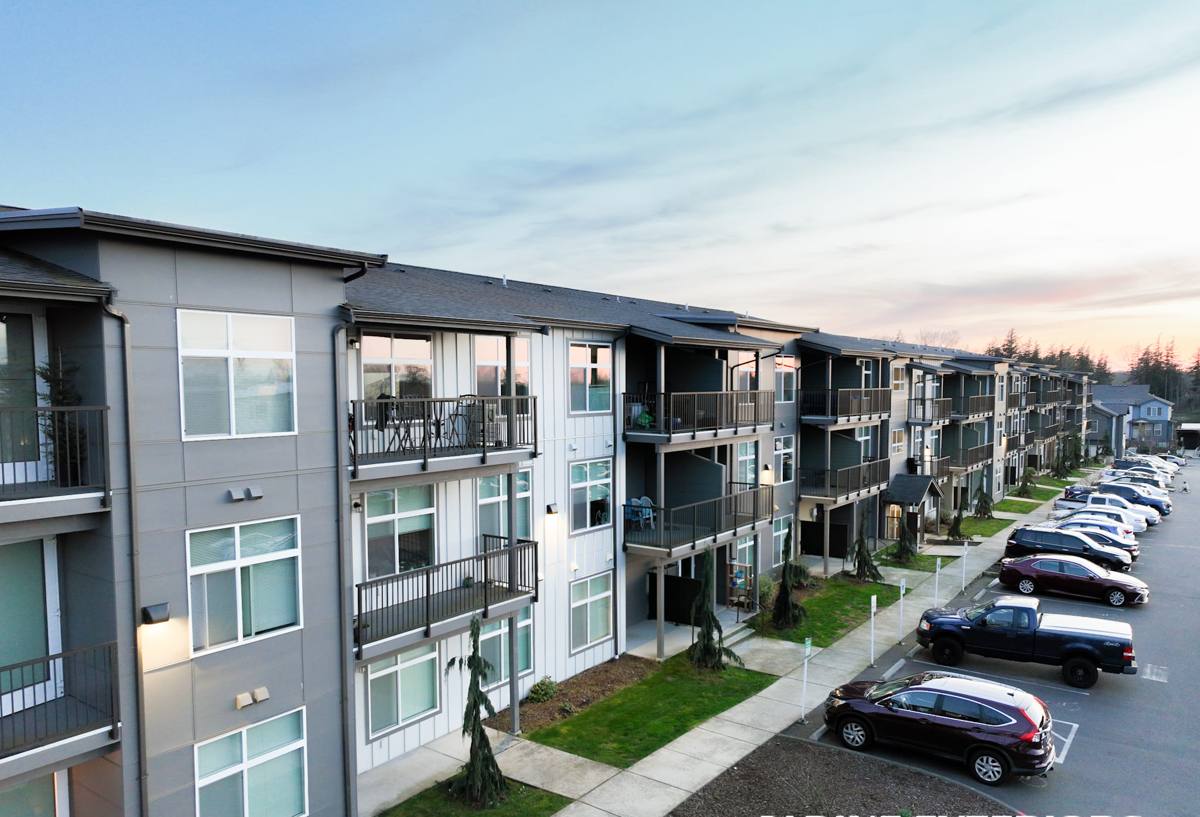
What Actually Wears Out Siding in This Area
Every siding failure we see in this region traces back to one or more of the same four stressors:
- Wind loading: Tropical storm and hurricane wind events put lateral and uplift pressure on every panel and fastener. Under-fastened or improperly lapped siding loosens over a few seasons, then fails outright in a bigger storm.
- UV exposure: Florida sun is relentless almost year-round. Paint films chalk, fade, and break down faster here than in almost any other part of the country, and lower-grade siding substrates can warp or degrade under sustained heat and light.
- Wind-driven rain: It's not just rainfall totals — it's rain forced sideways and upward under eaves and behind laps during storms. Siding systems that rely on face-sealing rather than proper drainage and flashing let water in during exactly these events.
- Salt air: Airborne salt accelerates corrosion of fasteners, trim, and any metal components, and it can accelerate breakdown of some siding materials' surface coatings over time.
None of these stressors act alone. A fastener that's already corroding from salt exposure is more likely to work loose under wind load, which opens a gap for wind-driven rain, which then sits against a UV-degraded surface that's lost some of its ability to shed water. That compounding effect is why siding problems in this region tend to show up faster than manufacturers' generic literature suggests, and why patch repairs often just buy a little time rather than solve anything.
Signs an Ellenton Home Needs Replacement, Not Repair
Not every siding problem calls for a full tear-off. But there's a point where repair stops making financial sense and replacement becomes the honest recommendation. Watch for:
- Soft or spongy spots when you press on the siding, which usually means moisture has already reached the sheathing behind it
- Visible warping, buckling, or panels that have pulled away from the wall line
- Paint that's failing across large sections rather than isolated spots, especially combined with chalking or cracking
- Repeated localized repairs that keep reappearing in the same areas after storms
- Visible fastener corrosion, streaking, or popped nail heads across multiple courses
- Interior signs — peeling paint, musty smells, or staining on interior walls that back up to exterior siding
If you're only seeing one or two of these in a small area, a repair may genuinely be the right call. If several of these are showing up across the house, or the siding is original and past the 20-25 year mark, replacement is usually the more honest recommendation — and it's one we'll tell you plainly during an inspection rather than push repairs we don't think will hold.
What a Correct Siding Replacement Job Actually Involves
Siding replacement isn't just removing old panels and nailing up new ones. Done correctly, especially in a wind and moisture environment like this one, the sequence matters as much as the material:
1. Full tear-off and sheathing inspection
Old siding comes off completely so the sheathing underneath can be inspected. Any rot, delamination, or moisture damage gets addressed before anything new goes up — covering damaged sheathing with new siding just hides a problem that will keep growing.
2. Weather-resistive barrier and flashing
A continuous, correctly lapped water-resistive barrier goes down first, with flashing integrated at every window, door, and penetration. This is the layer that actually stops wind-driven rain that gets past the siding face — and it's the step that gets rushed or skipped on lower-quality jobs because it's invisible once the siding goes on.
3. Fastening to the correct wind-zone schedule
Florida's building code sets specific fastener spacing and type requirements based on local wind speed design zones. Using a generic fastening pattern instead of one engineered for the actual wind exposure here is one of the most common shortcuts we see in the region, and it's the reason otherwise decent siding jobs fail in storms that shouldn't have bothered them.
4. Manufacturer-spec installation
Clearances at grade, gaps at trim and corners, proper caulking versus intentional gaps for drainage — every siding manufacturer publishes an install spec, and following it is what keeps the warranty valid and the assembly actually performing as designed.
5. Finish work and cleanup
Caulking, trim, paint touch-up where applicable, and a full site cleanup, followed by a walkthrough so you know exactly what was done and what to expect going forward.
Why We Install Only James Hardie Fiber Cement
We don't install vinyl siding, LP SmartSide, or other engineered wood or fiber cement alternatives, and we're upfront about why: in a climate like Ellenton's, the trade-offs of those products stack up against the homeowner over time. Vinyl can warp and become brittle under sustained UV and heat, and it has real limits in high-wind installations regardless of fastening. Engineered wood products depend heavily on edge-sealing and moisture management to avoid swelling or degrading, and any lapse in maintenance in a humid, storm-prone area shortens their working life.
James Hardie fiber cement is what we put on homes instead, for specific reasons: it's non-combustible, it doesn't support the moisture-driven swelling that engineered wood products can suffer from, and its ColorPlus factory finish is engineered to hold color and resist fading under exactly the kind of UV load this region gets. Hardie also produces climate-specific HZ product formulations, including versions engineered for high-humidity, high-moisture climates like Florida's — not a one-size-fits-all product shipped the same way to every region of the country. Backed by a strong transferable warranty and a long track record when installed to spec, it's the product we're willing to put our name behind here.
Comparing Siding Options for a Home Like Yours
| Factor | James Hardie Fiber Cement | Vinyl Siding | Engineered Wood (e.g., LP SmartSide) |
|---|---|---|---|
| Wind performance | Rated for high-wind installation when fastened to spec | Can deflect, crack, or blow off in high gusts | Adequate when new; depends on continued sealing |
| UV/fade resistance | Factory ColorPlus finish engineered for sun exposure | Can fade and become brittle over time | Paint finish requires ongoing maintenance |
| Moisture behavior | Does not swell or rot; moisture-resistant formulation | Doesn't rot, but can trap moisture behind panels if installed poorly | Vulnerable to swelling/degradation if edges aren't sealed and maintained |
| Combustibility | Non-combustible | Combustible | Combustible |
| Typical lifespan (installed to spec) | 30+ years | 15-25 years | 15-25 years, maintenance-dependent |
| Warranty structure | Strong, transferable manufacturer warranty | Varies widely by manufacturer and grade | Often conditional on maintenance schedule |
What Drives Cost on an Ellenton Siding Replacement
Every home is different, and we'll only ever give you an exact number after walking the property, but the main cost factors are consistent:
| Factor | Why It Matters |
|---|---|
| Square footage and wall complexity | More corners, gables, and trim detail mean more labor per square foot |
| Sheathing condition | Rot or moisture damage found during tear-off adds repair scope before new siding goes on |
| Wind zone fastening requirements | Correct fastener spacing and type for the local wind design speed affects labor time and hardware |
| Product line and profile | Lap width, texture, and ColorPlus finish selections affect material cost |
| Access and site conditions | Two-story sections, tight lot lines, and landscaping can add setup and safety measures |
| Permitting | Local permit requirements and inspections add time but protect you if the work is ever questioned at resale |
Why a Local Crew Matters for This Specific Job
Siding replacement is one of those jobs where local knowledge shows up in details that are easy to miss from the outside. A crew that already works in and around Ellenton knows the wind design speed requirements that apply to permitting here, has relationships with local building departments that keep inspections moving instead of stalling a project, and has already seen how James Hardie performs on homes in this specific combination of heat, humidity, and storm exposure — not just in a manufacturer's general specs. That familiarity also means faster response if a storm damages siding mid-project or shortly after, rather than waiting on a crew that has to travel in from outside the region.
It also means fewer surprises during the estimate. We're not guessing at what the local wind zone requires or what inspectors here will ask for — we've done it before, on homes with the same exposure your property has.
Questions to Ask Before You Hire
- Will the crew tear off and inspect sheathing, or just install over the existing wall?
- What fastening schedule will be used, and is it matched to the local wind design speed?
- Is the weather-resistive barrier and flashing detail included in the written scope, not just implied?
- Which James Hardie product line and finish are being quoted, and is that written into the proposal?
- Is the warranty transferable if you sell the home?
- Will the contractor pull the required local permit, or expect you to handle it?
If a contractor can't answer these clearly before you sign anything, that's worth noticing before the tear-off starts, not after.
If your Ellenton home's siding is showing its age or you're just planning ahead, we're happy to walk the property and give you a straight assessment — no pressure, no inflated scope. Use the form below to request a free estimate.