 Sarasota Siding
 Why Ellenton Homes Need a Different Window Strategy
Ellenton sits in the stretch of Gulf Coast Florida where the Manatee and Sarasota County lines blur, and the climate doesn't care which side of that line your house is on. Homes here deal with the same conditions as the rest of the greater Sarasota-Bradenton area: long stretches of intense UV, high humidity nearly year-round, wind-driven rain during summer storms, and the occasional direct hit from a tropical system or hurricane-force gust. Salt-tinged air off the coast adds another layer of wear, even for homes several miles inland.
Standard builder-grade windows, especially older single-pane or early double-pane units, were not designed for that combination. They let heat radiate through the glass and the frame, they fog or seal-fail as the sun bakes the sealant, and their weatherstripping breaks down faster in this humidity than it would in a drier climate. The result is a home that runs its air conditioning harder, feels warm near the windows even when the AC is working fine, and slowly develops moisture problems around frames that were never fully sealed to begin with.
Energy-efficient windows done correctly address all of that at once: they cut solar heat gain, they hold up to UV and salt exposure without degrading, and — done right for this area — they meet the wind and impact standards the building code expects here. That last part matters as much as the energy savings. A window that's efficient but not rated for local wind pressures is only solving half the problem.
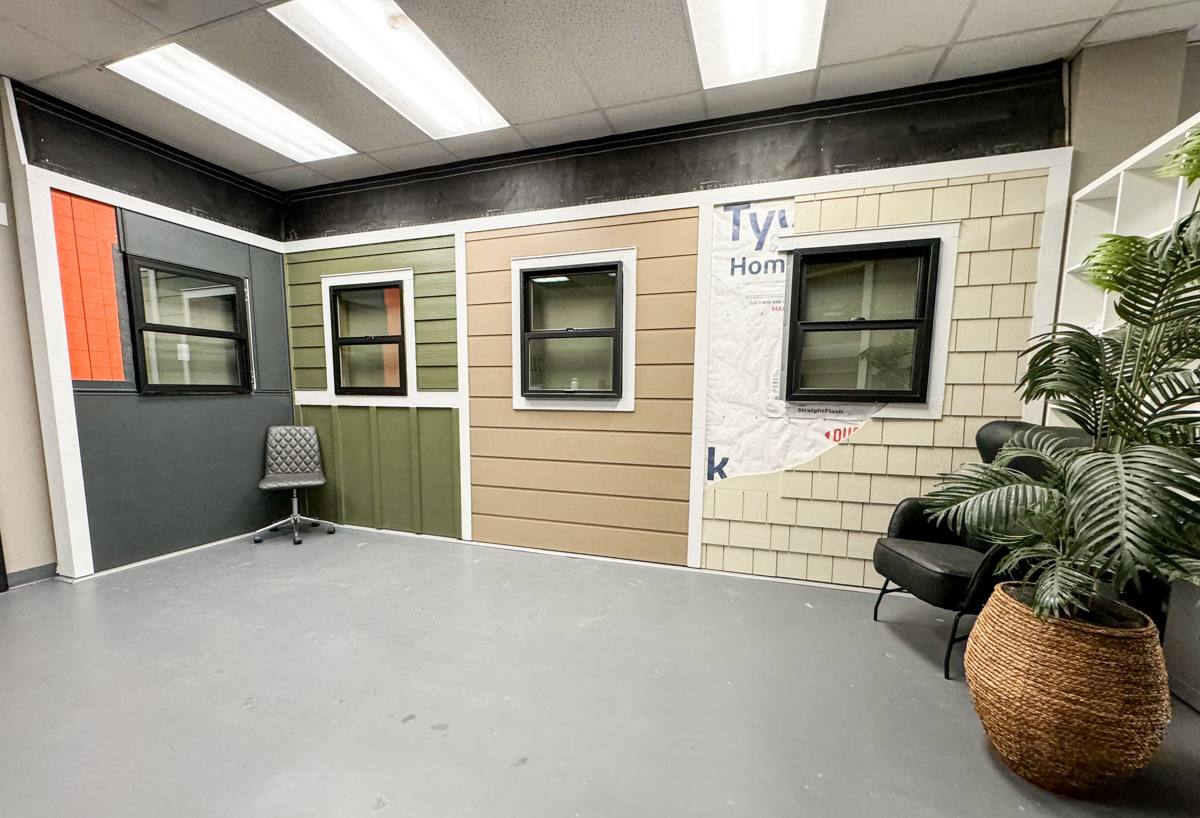
What "Energy-Efficient" Actually Means in This Climate
The phrase gets used loosely, so it's worth being specific about what actually reduces heat and energy loss in a home like yours.
Low-E Glass and Coatings
Low-emissivity (low-E) coatings are a microscopically thin metallic layer applied to the glass that reflects infrared heat while still letting visible light through. In a heat-dominant climate like ours, the priority is a low-E coating tuned to block solar heat gain rather than one optimized for retaining heat, which is more of a northern-climate concern. Getting this tuning right is one of the most common places generic installers get it backwards.
Frame Material
Frame material affects both efficiency and durability. Vinyl frames with reinforced chambers resist salt air and don't conduct heat the way aluminum does, which is why vinyl has become the standard choice for efficiency-focused replacements here. Aluminum frames are strong and often used where a slimmer profile or specific architectural look is needed, but they conduct heat directly into the home unless thermally broken, and they're more prone to pitting and corrosion near the coast over time.
Gas Fill and Spacer Systems
Double-pane units filled with argon (sometimes krypton in high-performance packages) slow heat transfer between panes. The spacer that separates the panes matters too — warm-edge spacers reduce condensation risk and hold their seal longer under the thermal cycling that comes from Florida's daily swing between blazing sun and afternoon storms.
Wind and Impact Rating
This is the piece that's specific to our area and often gets treated as an afterthought. Windows installed here need to meet the wind-borne debris and pressure requirements for the local wind zone, which generally means impact-rated glass or an approved protection system. An efficient window that isn't rated correctly for the zone isn't code-compliant and isn't doing its job in a storm.
Signs Your Current Windows Are Costing You
- Glass or frames feel noticeably hot to the touch on the interior side during peak sun hours
- Fogging or a cloudy haze between panes — a sign the seal has failed and the gas fill is gone
- Visible condensation on the interior glass during humid mornings
- Frames that are chalky, pitted, or have discolored streaks, especially on the sides facing prevailing weather
- Drafts or a whistling sound during windy conditions
- Rooms near windows that run noticeably warmer than the rest of the house
- Rising cooling costs without a clear cause elsewhere in the home
- Difficulty opening, closing, or locking — a sign the frame has shifted or warped
What a Correct Installation Involves
Replacing a window is not just pulling out the old unit and screwing in a new one. In this climate, the installation details are what separate a window that performs for fifteen-plus years from one that leaks or fails early.
Assessment and Measurement
Every opening gets measured individually — older homes settle unevenly, and openings that look identical from the outside are often slightly different in size or square. We also check the condition of the surrounding framing, sill, and any existing water damage before ordering product, because installing a new window into a compromised opening just locks the problem behind new trim.
Removal Without Collateral Damage
Old windows come out carefully to avoid damaging stucco, siding, or interior finishes around the opening. Any rot, soft wood, or prior water intrusion found during removal gets addressed before the new unit goes in — not covered over.
Flashing and Waterproofing
This is the step that matters most for wind-driven rain, which is one of the most common ways Gulf Coast homes develop hidden water damage. Correct flashing integrates with the home's existing water management layer — sill pan, side flashing, and head flashing — so wind-driven rain can't track behind the window into the wall cavity. This is also where a lot of lower-cost installs cut corners, because it's invisible once the trim goes back on.
Setting, Shimming, and Sealing
The window gets shimmed level and plumb, fastened per the manufacturer's and code's wind-load requirements, and sealed with the appropriate sealant on both the exterior and interior sides. Foam or insulation fills the gap between the frame and rough opening to eliminate air infiltration without over-packing, which can bow the frame.
Final Check
Every window gets operated, checked for square, and inspected for a clean, even reveal before we consider the job done. Locking mechanisms and weatherstripping get verified, not just glanced at.
Comparing Common Window Options for This Area
| Option | Efficiency | Coastal Durability | Typical Fit |
|---|---|---|---|
| Vinyl, double-pane, low-E, argon-filled | Strong all-around performer | Resists salt corrosion, low maintenance | Most Ellenton-area homes; best value-to-performance |
| Impact-rated vinyl or laminated glass | Same core efficiency as above, plus storm protection | Built for wind-borne debris exposure | Homes in higher wind zones or without separate storm protection |
| Aluminum, thermally broken | Moderate — better than non-broken aluminum, still conducts more than vinyl | Strong but more prone to pitting near salt air over decades | Architectural styles requiring slim sightlines |
| Single-pane or older aluminum (existing) | Poor — high heat transfer, no gas fill | Degrades faster in humidity and salt exposure | Typically the units being replaced |
What Drives the Cost
| Factor | Why It Matters |
|---|---|
| Impact vs. non-impact glass | Impact-rated units cost more up front but can eliminate the need for separate storm shutters or panels |
| Frame material and size | Larger openings and premium frame reinforcement add cost; standard sizes are more economical |
| Number of openings | Whole-home replacement typically brings a better per-window rate than doing a few at a time |
| Existing frame condition | Rot or water damage found during removal adds repair scope before the new window can go in correctly |
| Glass package | Low-E coatings, argon fill, and warm-edge spacers add a modest premium for a meaningful efficiency gain |
| Permitting | Wind zone and code requirements in this area mean permitted, inspected work — factor that into any quote you're comparing |
Exact pricing depends on your home's specific openings and the product tier you choose, which is why we walk every job in person before quoting rather than pricing over the phone.
Our Process, Start to Finish
- Free on-site assessment — we look at every opening, check for existing water or structural issues, and talk through what your home actually needs versus what's optional
- Product and glass package selection — matched to your home's exposure, sun orientation, and wind zone requirements
- Written estimate — clear scope, product specs, and pricing before any commitment
- Permitting — handled as part of the job, not left for you to sort out
- Installation — proper removal, flashing, sealing, and setting as outlined above
- Final walkthrough — every window operated and inspected with you before we call it complete
Before You Hire Anyone, Ask This
- Are you pulling a permit for this work, and is the glass package rated for our local wind zone?
- What's your flashing and waterproofing method around the opening — can you explain it, not just name-drop a brand?
- Do you carry current liability insurance and, if applicable, workers' comp?
- What's the warranty structure — on the product itself, and separately on your installation labor?
- Will you show me the specific low-E and gas-fill spec for the glass, not just "energy-efficient" as a marketing term?
- How do you handle rot or water damage discovered during removal — is that a change order or is it hidden?
Why a Local, Experienced Crew Matters Here
Window installation isn't uniform across the country, and it isn't even uniform across Florida. A crew that regularly works Ellenton and the surrounding Sarasota-Bradenton area already knows the wind zone requirements that apply to this stretch of coast, understands how local permitting offices want submissions handled, and has seen firsthand how sun orientation and salt exposure play out differently from one neighborhood to the next. That experience shows up in details a first-time or out-of-town crew is more likely to miss — the flashing detail that keeps wind-driven rain out, the fastener schedule that meets local wind-load requirements, the glass spec that's actually tuned for solar heat gain rather than a generic "energy-efficient" label.
It also matters for accountability. A local company has a reputation in this market to protect and is easy to reach if a question comes up after the install. That's a meaningfully different relationship than a traveling crew that's on to the next region within weeks.
Keeping New Windows Performing for the Long Run
Energy-efficient windows are close to maintenance-free, but a few habits extend their life in this climate:
- Rinse frames and glass periodically to clear salt residue, especially after storms
- Check weep holes (the small drainage openings at the base of the frame) to make sure they're clear of debris so water can drain properly
- Inspect exterior caulking annually and have any cracking or separation addressed before it becomes a water intrusion point
- Lubricate locks and moving hardware occasionally to keep them operating smoothly in humid conditions
- Avoid pressure-washing directly at seals and weatherstripping, which can force water past them
If you're weighing whether it's time to replace your windows or want a straight answer on what your home actually needs, we're happy to take a look. A free, no-pressure estimate gets you a clear picture of your options and honest pricing before you decide anything — just fill out the form below.