 Sarasota Siding
 Siding Built for Nokomis, Not Just "Florida"
Nokomis sits close enough to the Gulf that salt air, humidity, and storm exposure are a daily fact of life for anything on the outside of a house. Siding here doesn't fail because it's old — it fails because it was never matched to this environment in the first place. A product that holds up fine in a dry, inland climate can blister, delaminate, or rot within a few years a few blocks from the water. Before we talk about installation, it's worth being specific about what Nokomis siding actually has to survive, because that's what should drive every decision on the job.
We work throughout Sarasota County, and Nokomis jobs get the same standard as everywhere else we go: James Hardie fiber cement, installed to the manufacturer's specifications, sized to the wind and moisture exposure of the site. We don't install vinyl, LP SmartSide, or wood siding, and we'll explain why as we go — but the short version is that this coastline punishes shortcuts, and fiber cement done right is the product that doesn't ask homeowners to gamble on the next storm season.
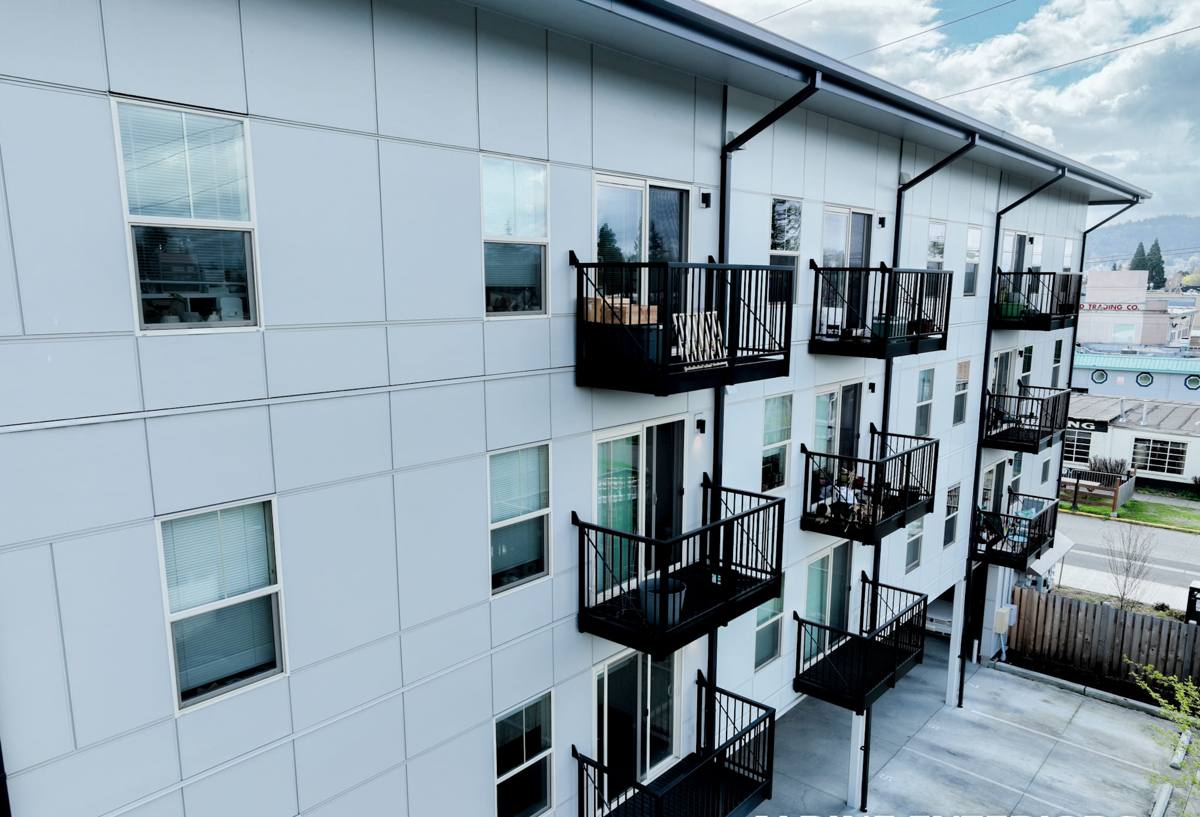
What This Climate Actually Does to Siding
Hurricane-Force Wind and Wind-Driven Rain
Sarasota County sits in a hurricane-prone stretch of the Gulf Coast, and Nokomis gets the full package during a storm: sustained wind loads, wind-driven rain forced sideways into wall assemblies, and flying debris. Siding that isn't fastened correctly — wrong nail pattern, wrong fastener spacing, panels hung without regard to the manufacturer's wind rating — can lift, crack, or peel away exactly when a home needs its exterior the most. Wind-driven rain also finds every gap in flashing, trim, and butt joints, so water management behind the siding matters as much as the siding itself.
Year-Round UV
Florida sun is intense and constant, not seasonal. Paint films on wood or engineered wood siding chalk, fade, and break down faster here than almost anywhere else in the country, which is why repaint cycles on painted siding tend to run shorter near the coast. A factory-applied finish that's engineered to resist UV breakdown holds its color and its protective integrity far longer than field-applied paint exposed to this much sun.
Salt Air and Humidity
Nokomis isn't oceanfront everywhere, but it's close enough that salt-laden air moves through the area regularly, especially with onshore winds. Salt accelerates corrosion of fasteners and trim, and combined with Florida's humidity, it creates conditions where any siding material with a moisture weakness — swelling, softening, mold susceptibility — gets tested constantly rather than occasionally.
Why We Only Install James Hardie Fiber Cement
Fiber cement itself isn't a single product — quality and engineering vary by manufacturer. We standardized on James Hardie specifically because it's non-combustible, dimensionally stable in humidity swings, and available in HZ5 formulations engineered for high-humidity, storm-prone climates like ours. The ColorPlus factory finish is baked on and warranted against fading, which matters enormously under Gulf Coast sun. We don't install vinyl because it can distort under intense heat and doesn't perform in high-wind events the way a properly engineered fiber cement system does. We don't install LP SmartSide, Cemplank, Allura, or unprimed wood species like cedar or spruce for the same underlying reason: this coastline doesn't leave much margin for products with known moisture or maintenance trade-offs, and we'd rather stand behind one system we trust completely than offer several we'd have to caveat.
Product Comparison for Coastal Sarasota County Conditions
| Material | Wind/Storm Performance | Moisture Behavior | UV/Finish Durability | Our Position |
|---|---|---|---|---|
| James Hardie Fiber Cement | Engineered HZ5 lines rated for high-wind zones | Dimensionally stable, resists swelling | Factory ColorPlus finish, long fade warranty | What we install |
| Vinyl | Can distort or crack under heat and impact | Doesn't rot, but seams can let water behind panels | Fades and becomes brittle over time in intense sun | Not installed |
| LP SmartSide / engineered wood | Adequate when new, sensitive to installation errors | Vulnerable to swelling and edge deterioration if moisture intrudes | Requires repainting on a shorter cycle | Not installed |
| Cedar / primed spruce | Performs poorly untreated in storm wind | Prone to rot and insect damage in humidity | Needs frequent refinishing | Not installed |
What a Correct Fiber Cement Job Looks Like in Nokomis
Fiber cement is only as good as the installation behind it. A lot of the failures we get called out to inspect on other contractors' work trace back to shortcuts that are invisible once the siding is up — which is exactly why they're dangerous. On every Nokomis job we run through the same non-negotiables:
- Correct panel and trim selection for the home's wind exposure, following James Hardie's published specifications for the region
- Proper fastener type, spacing, and embedment — salt air makes fastener corrosion resistance a real consideration, not a formality
- Weather-resistant barrier installed and lapped correctly before a single panel goes up
- Flashing at every window, door, roofline, and penetration, shingled to shed wind-driven rain rather than trap it
- Correct clearance from grade, roofing, and decking so the bottom edge of the siding isn't sitting in standing water or splashback
- Factory-cut and factory-primed edges used wherever possible, with field cuts sealed per manufacturer instructions
- Caulking and sealant only where Hardie's install guide calls for it — not as a substitute for proper flashing
Skipping any one of these doesn't necessarily show up in year one. It shows up in year five, during a named storm, when water finds the one joint that wasn't flashed correctly.
Our Process for a Nokomis Siding Project
1. On-Site Assessment
We walk the home in person, looking at current siding condition, moisture intrusion signs, trim and window flashing, and any structural sheathing damage that needs to be addressed before new siding goes on. Covering up rotten sheathing with new siding just delays a bigger repair.
2. Product and Line Selection
We talk through James Hardie's plank, shingle, and panel lines and help match the profile and HZ rating to the home's exposure and the look the homeowner wants — Nokomis has a mix of coastal cottage, ranch, and newer construction styles, and the right siding profile depends on the house.
3. Written Scope and Estimate
Homeowners get a clear, itemized scope before any work starts — no verbal estimates, no vague "we'll figure it out" language, so there are no surprises about what's included.
4. Tear-Off and Substrate Repair
Old siding comes off, sheathing is inspected and repaired as needed, and the weather-resistant barrier goes on before any new material is installed.
5. Installation to Manufacturer Spec
Panels, trim, and flashing go on following James Hardie's published installation instructions, which is also what preserves the manufacturer's warranty — installing off-spec voids coverage even if the product itself is sound.
6. Final Walkthrough
We walk the finished job with the homeowner, checking fastener lines, caulking, trim reveals, and overall finish before calling it complete.
Cost Factors for a Nokomis Fiber Cement Project
Every home is different, but the same variables tend to drive price on jobs in this area. Rather than quote a number that won't reflect your actual house, here's what typically moves the estimate:
- Total square footage of siding and the home's overall complexity (gables, dormers, multiple stories)
- Condition of existing sheathing — hidden rot adds repair scope once old siding comes off
- Siding profile chosen (lap, shingle, panel) and trim detailing
- Number of windows, doors, and penetrations requiring flashing work
- Site access and whether existing siding requires full removal versus partial replacement
We provide a written, itemized estimate after an in-person walkthrough rather than guessing over the phone — Florida homes vary too much for a rough number to be honest.
Why Hiring a Crew That Works Nokomis Regularly Matters
Wind ratings, flashing details, and product lines that work in Sarasota County aren't universal — a crew that mostly works inland or in a different climate may not default to the storm-and-salt-air detailing this area needs unless they're told to. A local crew that installs James Hardie in Nokomis and the surrounding Sarasota County communities regularly already knows the wind exposure categories, the humidity behavior, and the common substrate issues found in homes here, and builds the job around them by default rather than by request.
Maintaining Fiber Cement Siding on the Gulf Coast
One of the practical advantages of James Hardie fiber cement in this climate is how little ongoing maintenance it asks for compared to painted wood or engineered wood alternatives. That said, a few habits keep it performing at its best in a salt-air, high-UV environment:
- Rinse the siding periodically to clear salt residue and airborne debris, especially after storms
- Inspect caulking around windows, doors, and trim annually and re-seal joints that show cracking
- Keep irrigation heads and sprinklers from soaking the base of the siding repeatedly
- Trim vegetation back from exterior walls to maintain airflow and reduce trapped moisture
- Address any impact damage or chipped finish promptly rather than letting it sit
Get a Free, No-Pressure Estimate
If your Nokomis home needs new siding — or you're not sure whether what's on it now is holding up the way it should — we're glad to take a look. The estimate is free, there's no pressure, and you'll get a straight answer about what your home actually needs. Use the form below to get started.