 Sarasota Siding
 Palmer Ranch Homes Face a Specific Set of Siding Problems
Palmer Ranch is one of the larger established residential areas in Sarasota County, with homes ranging from properties built in the late 1980s and 1990s through newer construction in its more recently developed sections. That range matters, because siding that was adequate when a house was built 25-30 years ago is often past the point where patching makes sense, and siding installed poorly even ten years ago can already be showing the effects of Sarasota's climate. Whatever the age of the house, the siding on it is fighting the same four things every day: hurricane-force wind gusts during storm season, intense UV exposure nearly year-round, wind-driven rain that gets pushed sideways into walls rather than falling straight down, and salt-laden air moving in off the Gulf. None of those factors are unique to Palmer Ranch, but combined they're a tougher environment than most siding products were designed for.
This page is specifically about installing James Hardie fiber cement siding on Palmer Ranch homes — what the climate demands, what a correct installation actually involves, and why using a crew that already works in this part of Sarasota County is not just a convenience but a real factor in how the job holds up.
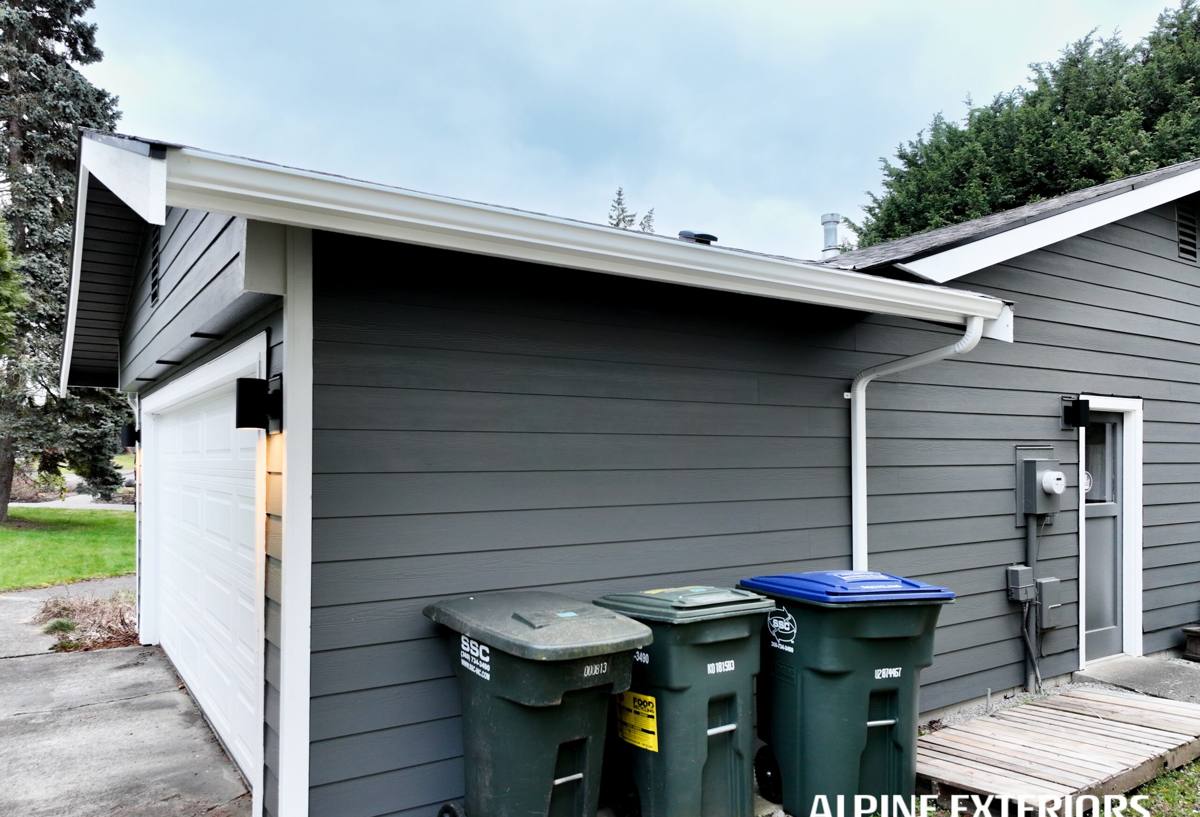
What Sun, Wind, and Salt Actually Do to Exterior Siding
UV and Heat
Sarasota gets a lot of direct sun, and that sun is hard on paint and on the substrate underneath it. Cheaper coatings chalk, fade, and crack years before a homeowner expects them to. Wood-based products can dry out and split. Vinyl can warp or discolor. Fiber cement resists UV degradation far better because the material itself is not affected by sunlight the way wood or vinyl is — the concern with fiber cement is almost entirely about the quality of the factory finish, not the panel underneath it.
Wind-Driven Rain
During tropical storms and hurricanes, rain in this part of Florida doesn't fall straight down — it's driven sideways by sustained wind, sometimes hard enough to push water behind siding that isn't properly lapped, flashed, and sealed. Once water gets behind a wall covering, it doesn't matter how good the surface material is; the sheathing, framing, and insulation behind it can rot or grow mold long before anyone notices a problem from the outside.
Salt Air
Palmer Ranch isn't directly on the coast, but Sarasota County as a whole sits close enough to the Gulf that salt-laden air is a factor for every home in the area, not just waterfront property. Salt accelerates corrosion on fasteners, trim, and any metal components in a siding system, and it can degrade lower-quality paint finishes faster than inland exposure would.
Wind Load
Sarasota County enforces Florida Building Code wind provisions that are significantly stricter than most of the country. Siding, fasteners, and the way panels are attached to the wall all have to be rated and installed to hold up under real hurricane-force wind loads — not just look good on a calm day.
Why We Only Install James Hardie in This Area
We install James Hardie fiber cement siding exclusively. We don't install vinyl siding, LP SmartSide, Cemplank, Allura, or unprimed wood products like spruce or cedar, and that's a deliberate standard rather than a lack of options. Each of those alternatives has real strengths, but each also has a trade-off that we think matters more in a climate like Sarasota's than it might elsewhere:
- Vinyl is inexpensive and low-maintenance, but it can soften, warp, or become brittle under sustained heat and UV, and it's a combustible material.
- LP SmartSide and other engineered wood products use a wood-strand core, which means moisture intrusion — even small, slow leaks — can cause swelling and deterioration in a way non-organic siding doesn't.
- Cemplank and Allura are also fiber cement, and structurally comparable to Hardie in many respects, but James Hardie's climate-engineered HZ product lines and factory ColorPlus finish are specifically built and warrantied for high-humidity, high-UV regions like ours, and the brand's long track record here gives us more confidence in the transferable warranty actually meaning something years down the road.
- Unprimed wood siding looks great on day one but demands an ongoing maintenance schedule — repainting, caulking, moisture checks — that most homeowners don't want to keep up with in a climate this hard on exterior wood.
James Hardie's HZ5 product line is engineered specifically for hot, humid climates like Florida's, and the ColorPlus finish is baked on at the factory under controlled conditions rather than field-applied, which gives it better UV and fade resistance than most job-site paint jobs. It's non-combustible, holds up to wind-driven rain when installed correctly, and carries a strong transferable warranty — all of which lines up with what Palmer Ranch homes actually need.
What a Correct Fiber Cement Installation Involves
Fiber cement siding is only as good as the installation behind it. A huge share of the siding failures we get called out to inspect aren't material failures at all — they're installation shortcuts that let water in or left the panels vulnerable to wind.
Moisture Management Behind the Panels
Correct installation starts with a weather-resistant barrier over the sheathing, properly lapped so water sheds downward and outward instead of channeling behind the barrier. Every penetration — windows, doors, vents, hose bibs — needs to be flashed so water is directed out, not trapped. This is the step that matters most in a wind-driven rain climate, and it's also the step that's invisible once the siding goes up, which is exactly why it's so often rushed on jobs done by crews unfamiliar with local conditions.
Fastening and Wind Resistance
Fasteners need to be corrosion-resistant, sized and spaced according to Hardie's published installation specifications, and driven correctly — not overdriven, which can crack the board or compromise its wind resistance, and not underdriven, which leaves panels loose. Getting this right is what keeps siding attached and intact through a tropical storm rather than becoming wind-borne debris.
Joints, Trim, and Clearances
Butt joints between boards need to be properly sealed or backed with flashing, not just caulked and hoped for. Siding needs correct clearance from rooflines, decks, and grade so it isn't sitting in standing water or trapped moisture. Trim details around windows and corners need to shed water outward at every layer, not just at the surface.
Our Process for Palmer Ranch Projects
- On-site assessment. We look at the existing siding or substrate, check for moisture damage, evaluate wind exposure and sun exposure on each elevation of the house, and identify anything unusual about the home's construction.
- Product and color selection. We walk through the relevant Hardie board profiles and ColorPlus color options for the home, factoring in HOA guidelines where applicable and the way colors perform under intense Florida sun.
- Removal and substrate prep. Old siding comes off, sheathing is inspected and repaired as needed, and any rot or moisture damage found underneath is addressed before anything new goes up — this step gets skipped by corner-cutting crews and it's the single biggest predictor of how a job holds up long-term.
- Weather barrier and flashing installation. Every penetration and joint is treated as a place water will eventually try to get in.
- Installation to manufacturer and code specification. Fastening patterns, clearances, and joint treatment follow Hardie's published specs and Florida Building Code wind requirements for Sarasota County.
- Final inspection and walkthrough. We check our own work against the same standard we'd want on our own homes before we call a job finished.
Cost Factors on a Palmer Ranch Fiber Cement Project
Every home is different, and we don't think broad national price charts are useful for a real estimate — but the factors that actually move the number on a Palmer Ranch job are consistent enough to explain up front.
| Factor | Why It Matters | Effect on Scope |
|---|---|---|
| Existing siding type | Some materials remove faster and cleaner than others; hidden damage underneath adds substrate repair | Higher removal/prep cost if damage is found |
| Home size and stories | More wall area and elevated work both add labor time | Larger homes and two-story elevations cost more |
| Trim and architectural detail | Complex trim, multiple gables, and accent details take more time to flash and finish correctly | More detailed homes take longer per square foot |
| Board profile and finish selection | Different Hardie profiles (lap, shake-style, panel) have different material and labor requirements | Profile choice shifts material cost |
| Access and site conditions | Landscaping, fencing, pools, and tight lot lines affect how easily crews can stage and work | Difficult access can add labor time |
Why a Crew That Already Works Palmer Ranch Matters
Sarasota County's permitting and inspection requirements for exterior work reflect the same wind-load and moisture concerns discussed above, and a crew that regularly pulls permits and passes inspections in this jurisdiction moves through that process without surprises. A crew unfamiliar with the county's requirements can end up guessing at fastening schedules or flashing details that a Sarasota inspector will flag.
Many Palmer Ranch properties are part of HOA-governed communities with their own architectural review requirements for exterior color and material changes. Knowing that up front — and building it into the estimate and timeline rather than discovering it mid-project — keeps a job from stalling out waiting on approvals.
There's also a simpler reason local experience matters: a crew that has worked on homes of a similar age and construction type in this specific area has already seen how those homes tend to be built, what's usually hiding behind the existing siding, and where problems tend to show up first. That's not something a crew from outside the region picks up on the first job.
After Installation: What Keeps Fiber Cement Siding Performing
Correctly installed James Hardie siding is a low-maintenance product, not a no-maintenance one. A little attention goes a long way toward getting the full lifespan out of it in this climate.
- Rinse the siding periodically to clear salt residue and airborne debris, especially on elevations facing prevailing wind.
- Keep an eye on caulking at joints, trim, and penetrations, and have any cracked or missing sections resealed promptly.
- Trim back landscaping that holds moisture against the siding or blocks airflow along a wall.
- After any major storm, walk the exterior and look for loose boards, damaged trim, or fresh gaps at joints — catching small issues early is far cheaper than repairing water damage later.
- Repaint touch-ups (if ever needed) with a quality exterior product rated for fiber cement, though ColorPlus finishes are designed to go far longer between repaints than field-applied paint.
If you're weighing a siding project on a Palmer Ranch home and want a straight answer about what your house actually needs, we're glad to come take a look. The estimate is free, there's no pressure attached to it, and you'll get a clear picture of scope and options before you decide anything.