 Sarasota Siding
 Why Fruitville Homes Need Windows Built for the Local Climate
Fruitville sits inland enough to feel like it's tucked away from the coast, but Sarasota County weather doesn't make that distinction. Homes here still take a beating from hurricane-force winds during storm season, intense year-round UV that never really lets up, wind-driven rain that finds every gap in a poorly sealed frame, and salt-laden air that corrodes hardware faster than most homeowners expect. Standard, big-box replacement windows are built to a national average spec. They're not built for this. A custom approach means sizing, glazing, and frame material selected specifically for what a Sarasota-area home actually deals with, not what sells well in a showroom three states away.
Custom windows aren't just about odd-sized openings or architectural style, either, though that's part of it. It's about making sure every window installed on your home is doing three jobs at once: keeping wind and water out during a storm, keeping heat and UV degradation down the other 350 days a year, and doing both without needing constant upkeep.
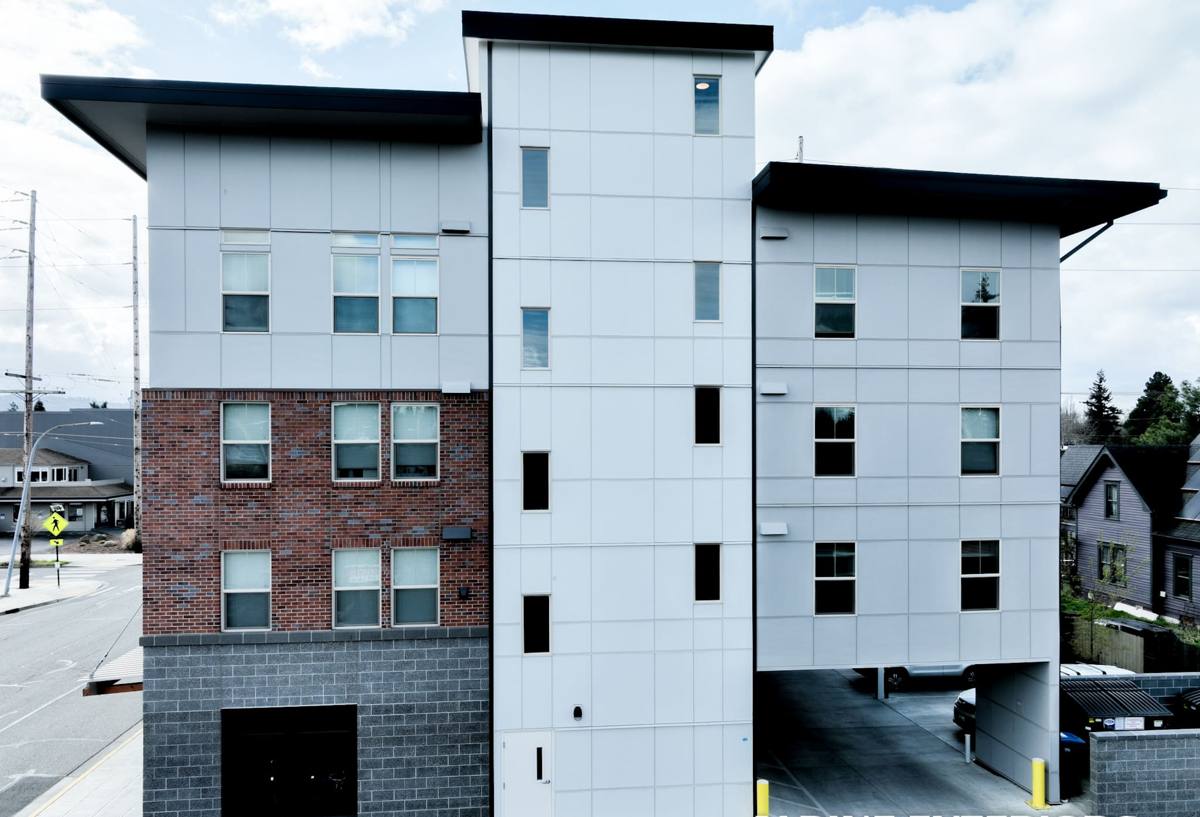
What "Custom" Actually Means for Window Replacement
The word gets thrown around loosely in this industry. For us, custom windows means the unit is specified and, where needed, fabricated to match your home's actual openings, structural conditions, and performance requirements — not pulled from a generic stock size and shimmed into place.
Matching Openings That Aren't Standard Sizes
Many Fruitville homes, especially older ones and additions built onto original footprints, have openings that don't match current manufacturer standard sizes. Rather than forcing a stock window into an opening with excess shimming and caulk (which fails first in coastal humidity), a custom order is built to fit the actual rough opening. That means a tighter seal, less reliance on sealant alone to keep water out, and a cleaner finished look inside and out.
Frame Material Selection
Vinyl, aluminum, fiberglass, and composite frames all behave differently in heat, humidity, and salt exposure. Vinyl handles moisture well and won't corrode, but lower-grade vinyl can warp under sustained direct sun exposure if the formulation and reinforcement aren't right for this climate. Aluminum is strong and holds tight tolerances for impact glazing, but needs a proper thermal break and marine-grade hardware to resist pitting from salt air. We spec frame material based on your home's sun exposure, how close you are to brackish water or open exposure, and your maintenance preferences — not a one-size-fits-all default.
Impact Ratings and Florida Building Code
Sarasota County falls within Florida's High-Velocity Hurricane Zone building code influence area, and most jurisdictions here require windows to meet specific wind-load and impact standards for new installations and replacements. This isn't optional paperwork — it's the difference between a window that stays in its frame during a major wind event and one that doesn't.
Impact-Rated Glass vs. Shutters and Panels
Homeowners sometimes ask whether they can save money by installing standard windows and relying on shutters or panels for storm protection instead. It's a legitimate option in some cases, but it comes with trade-offs: shutters require someone to deploy them before every storm (not always possible with short warning windows), they don't help at all with daily UV and noise reduction, and they add a maintenance item of their own — tracks, latches, and panels that need periodic upkeep in salt air. Impact-rated glass protects the home continuously, with no action required when a storm is approaching.
Permitting and Documentation
Every custom window job we do in Sarasota County is permitted correctly and documented to code. That paperwork matters at resale — an unpermitted window replacement can become a real problem during a home inspection or insurance review, and it can affect your windstorm insurance premium if the installation can't be verified as meeting current standards.
Our Process, Start to Finish
- On-site assessment. We measure every opening individually, check for water intrusion history, rot, or structural issues around existing frames, and discuss what you actually need from each window — light, ventilation, egress, sightlines.
- Product and material selection. Based on sun exposure, wind zone requirements, and your budget, we walk through frame material, glazing package, and hardware options in plain terms — no pressure toward the most expensive option if it's not the right fit.
- Custom order and lead time. Because these are built to your openings, there's a manufacturing lead time. We'll give you a realistic window (no pun intended) rather than an optimistic one.
- Removal and structural check. Old frames come out carefully so we can inspect the rough opening for hidden moisture damage before anything new goes in. This step gets skipped by crews in a hurry, and it's usually where problems get missed.
- Installation and sealing. Proper flashing and sealing at this stage is what actually keeps wind-driven rain out — more than the window itself. This is where most installation failures originate if done wrong.
- Final inspection and walkthrough. We confirm operation, sealing, and code compliance with you before calling the job done, and make sure permit sign-off is complete.
What Drives the Cost of a Custom Window Job
| Factor | Why It Matters |
|---|---|
| Frame material | Vinyl generally costs less upfront; aluminum and fiberglass cost more but can offer different strength and longevity trade-offs in coastal exposure |
| Impact-rated vs. non-impact glazing | Impact glass costs more per unit but removes the need for separate storm protection and often reduces insurance premiums |
| Opening size and shape | Non-standard or oversized openings require more custom fabrication time and cost more than standard sizes |
| Number of windows in one project | Bundling a whole-home replacement typically brings a better per-unit cost than doing a few windows at a time |
| Existing structural condition | Rot, prior water intrusion, or out-of-square openings add repair work before installation can proceed |
We won't quote a number without seeing the actual openings and condition of your home — anyone who does is guessing, and guesses in this business tend to run low up front and high later.
Signs Your Current Windows Are Already Failing
- Fogging or moisture between panes on double-glazed units — a sign the seal has failed
- Visible warping, discoloration, or chalking on frames from sustained UV exposure
- Difficulty opening, closing, or locking that didn't exist when the home was newer
- Water staining or soft drywall around the frame after heavy rain
- Noticeable draft or temperature difference near the window when it's closed
- Corrosion or pitting on hardware, hinges, or locks — common in salt-exposed areas
- Rattling or visible flex in the frame during high wind
Any one of these on its own might just need a repair. Several at once, especially on a home more than 15-20 years old, usually means the windows are past the point where patching makes sense.
Why Local Installation Experience Actually Matters
Window installation looks similar everywhere on paper, but the details that make it hold up in Sarasota conditions come from having done it here repeatedly. A crew that mostly works inland, drier climates tends to under-seal for wind-driven rain and under-spec hardware for salt air corrosion — not out of carelessness, but because it's simply not what their normal jobs demand. Working Fruitville and the surrounding Sarasota area regularly means knowing which details get skipped by out-of-town crews and specifically avoiding those shortcuts: proper flashing sequencing, correct sealant products rated for UV and salt exposure, and hardware that won't seize up in two years.
It also means knowing the local permitting process and inspectors, so the paperwork side of your project doesn't become its own headache.
Maintaining Custom Windows in Sarasota's Environment
Even a well-installed window needs some upkeep in this climate. Rinsing frames and tracks periodically clears salt residue before it can pit hardware. Checking and re-caulking exterior sealant every few years — sooner on south and west-facing exposures that take the most direct sun — keeps water intrusion from starting. Lubricating locks and hinges lightly helps them resist the sticking that salt air and humidity cause over time. None of this is difficult, but it's easy to forget until a window that used to work smoothly starts giving you trouble.
If you're weighing whether it's time to replace windows on your Fruitville home, or just want a straight answer on what a custom job would actually involve and cost, we're happy to come take a look. The estimate is free, there's no pressure, and you'll get a clear breakdown of what your home actually needs — not a generic sales pitch.