 Sarasota Siding
 New-Construction Windows Are a Different Job Than Replacements
When people hear "window installation," most picture a replacement job — pulling an old window out of an existing wall and fitting a new one into the same opening. New-construction window installation is a different trade skill entirely. It happens before the walls are finished, while the rough openings are still exposed framing or block, and it involves tying the window directly into the home's structural sheathing, weather-resistant barrier, and flashing system. Get this stage wrong and the mistake gets buried behind stucco, siding, and drywall — invisible until a storm finds it.
For a new build or major addition going up in Fruitville, this is the stage where the building envelope's long-term performance is decided. We work directly with the framing and the weather barrier, not around it, which is the only way to actually control how water and wind interact with the window for the next few decades.
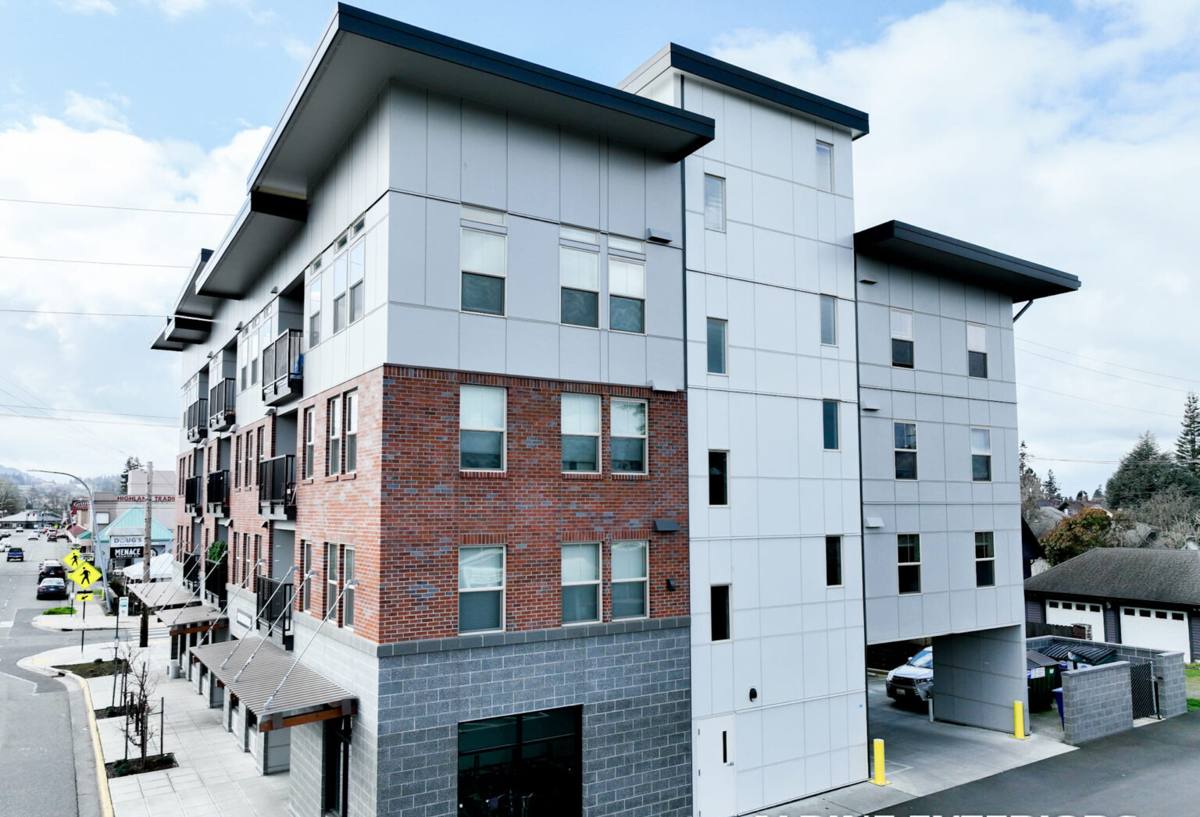
What Fruitville's Climate Actually Demands From a Window
Fruitville sits inland from the Gulf but still squarely within Sarasota County's coastal climate zone, which means every new-construction window has to survive the same conditions as homes closer to the water: hurricane-force winds during storm season, sun that beats down on window frames and glass nearly year-round, wind-driven rain that gets pushed sideways into wall assemblies during squalls, and salt-laden air that works its way inland and accelerates corrosion on hardware and fasteners. A window that's rated fine for a mild climate somewhere up north will not hold up the same way here.
Three things matter most for a new-construction window in this area:
- Wind resistance — the window and its installation method have to be rated for the design pressures required in this part of Florida, not a generic national standard.
- Water management — flashing and sealant details have to shed wind-driven rain even when it's hitting the wall at an angle, not just falling straight down.
- UV and heat performance — glass coatings and frame materials need to resist sun exposure without excessive fading, warping, or heat gain into the living space.
Florida Building Code and Wind-Borne Debris Requirements
Sarasota County falls within Florida's wind-borne debris region, which means new-construction windows here have to meet specific impact and design pressure standards under the Florida Building Code — not the lighter requirements you'd find in most other states. In practice, this gives a homeowner or builder two paths for opening protection: install impact-rated windows with laminated glass that can take a direct debris hit without breaching, or install standard windows paired with code-compliant shutters or panels that get deployed before a storm.
Each window also carries a design pressure (DP) rating that has to match what the structure's wind exposure and height require — this is determined by the home's location, elevation, and exposure category, and it's checked as part of the permitting and inspection process. We size and order windows against the actual requirements for the specific lot and elevation, not a one-size-fits-all rating, and we keep the product approval documentation (Florida Product Approval or Miami-Dade NOA, where applicable) on file for permitting and for the homeowner's records.
Energy code also comes into play. Florida's energy code sets limits on solar heat gain coefficient (SHGC) and U-factor for windows, which affects which glass packages qualify for a given elevation and orientation. A south- or west-facing wall of glass in Fruitville needs a different glass spec than a shaded north-facing opening if the home is going to perform the way its energy calculations assume.
How We Install New-Construction Windows, Step by Step
1. Verify the Rough Opening
Before a window ever shows up on site, we confirm the rough opening is square, plumb, and sized correctly against the manufacturer's specs. Framing tolerances that seem minor on paper cause real problems once a window is set — bowed jambs, uneven reveals, and sashes that bind or won't seal.
2. Prep the Weather-Resistant Barrier
The WRB (house wrap or equivalent) has to be cut, lapped, and integrated with the window flashing in the correct sequence — this is where most water intrusion problems actually originate, not at the window unit itself. We follow a shingle-style flashing sequence so that every layer sheds water down and out, never into the wall cavity.
3. Set the Window and Fasten Per Design Pressure
Depending on the wall type — wood frame or concrete block/CBS, both common in this area — we install using either a nailing fin or a block-frame anchoring method, fastened at the spacing and pattern required to hit the window's rated design pressure. Fastener spacing is not a place to cut corners; it's directly tied to the wind rating the window is supposed to deliver.
4. Seal and Insulate
We seal the perimeter with the appropriate sealant for the substrate and back it with low-expansion foam or backer rod where called for, avoiding over-foaming that can bow frames out of square.
5. Flash the Sill and Head
Sill pans and head flashing get installed to shed any water that does find its way past the primary seal, directing it back out of the wall rather than letting it pool at the bottom of the opening.
6. Document for Inspection
New-construction window installs go through building department inspection before they're closed in behind exterior finishes. We install so the work is ready to pass on the first look, with product labels and approvals left visible for the inspector as required.
Choosing the Right Window for a Fruitville New Build
Frame material and glazing choice both affect how a window performs against Sarasota County's climate. Here's how the common options stack up for a new-construction project in this area:
| Frame Material | Wind/Impact Performance | UV & Heat Behavior | Maintenance |
|---|---|---|---|
| Vinyl | Good, widely available in impact-rated lines | Can soften or discolor under intense long-term sun without UV-stabilized formulations | Low — no painting, occasional cleaning |
| Aluminum | Strong, common in impact and high-DP applications | Handles heat well; can conduct more heat/cold without a thermal break | Low, but coastal salt air can corrode untreated fasteners/hardware over time |
| Fiberglass/Composite | Very good; dimensionally stable under wind load | Excellent UV and heat stability, minimal expansion/contraction | Low, higher upfront cost |
| Wood/Wood-clad | Adequate when engineered for impact, less common locally | Vulnerable to UV and moisture without diligent upkeep | Highest — periodic finishing/sealing needed in this humidity |
Glass matters as much as frame. Laminated impact glass is the standard choice for opening protection in this wind-borne debris region, and it also cuts UV transmission and outside noise as a side benefit. Low-E coatings tuned for Florida's climate zone help control solar heat gain without darkening the glass more than homeowners want.
Checklist: What to Confirm Before Installation Day
- Design pressure rating matches the home's elevation, exposure, and county requirements
- Product approval documentation (Florida Product Approval / NOA) is on hand for permitting
- Rough openings are framed to the exact sizes on the approved window schedule
- Glass package (SHGC/U-factor) matches the energy code calculation for that elevation
- Flashing and WRB integration plan is agreed on with the builder before windows arrive
- Fastener and hardware specs account for coastal salt-air exposure
Working Alongside Builders and General Contractors
New-construction window work rarely happens in isolation — it's coordinated with a framer, a stucco or siding crew, and often a general contractor keeping the whole schedule on track. Windows that show up late, sized wrong, or installed out of sequence with the weather barrier become a bottleneck for everyone behind them on the job. We coordinate directly with builders on lead times, rough opening verification, and inspection scheduling so the window trade doesn't hold up drywall, stucco, or final trim. On a Fruitville job site, that kind of coordination is as much a part of the work as the install itself.
Mistakes We See When Windows Weren't Installed Right the First Time
Most of the callback problems we're asked to diagnose on newer homes trace back to a handful of recurring issues: flashing installed in the wrong order so water gets trapped instead of shed, fastener spacing that doesn't actually meet the window's rated design pressure, sealant used as the only line of defense instead of proper flashing, and window schedules that were substituted or value-engineered without rechecking the wind or energy calculations behind them. None of these show up in an inspection walk-through — they show up years later as a stain on drywall or a window that won't hold its seal in a storm. Getting the sequence right the first time is far cheaper than diagnosing it after the walls are closed up.
What to Expect After Move-In
A correctly installed new-construction window in this climate needs very little from a homeowner. Rinse frames and hardware periodically to clear salt residue, especially if the home is on a lot with more open wind exposure. Check that weep holes at the sill stay clear of debris, mulch, or paint overspray so the window can drain the way it was designed to. Beyond that, a well-installed window shouldn't need attention again until it's time for routine caulk maintenance years down the road.
Why Hire a Crew That Already Works Fruitville and Sarasota County
New-construction window installation depends on knowing the local wind and exposure requirements, the county's inspection expectations, and how Florida's energy code applies to real elevations — not just installing a window level and calling it done. A crew that regularly works Fruitville and the broader Sarasota area already knows the permitting process, has relationships with local building department inspectors, and has seen firsthand how the sun, salt air, and storm season here treat different products over time. That local track record is what turns a window installation from "technically passed inspection" into a window system that's still performing correctly a decade from now.
If you're building or adding onto a home in Fruitville and want windows installed the right way from the framing stage forward, we're happy to walk the plans with you. Reach out for a free, no-pressure estimate — there's a form right below to get started.