 Sarasota Siding
 Roof Replacement for Fruitville Homes
Fruitville sits inland from the coast but still takes the full brunt of what Sarasota County weather delivers each year: tropical-storm and hurricane-force wind gusts, months of intense subtropical UV, wind-driven rain that finds every weak seam, and a steady dose of salt air carried in off Sarasota Bay and the Gulf. None of that is unique to one street or subdivision in the area — it's the baseline every roof here has to survive, year after year, not just during a named storm. A roof replacement in this neighborhood isn't a cosmetic upgrade. It's a structural decision about how well your home holds up the next time wind gets under an edge or water finds a nail hole.
We work Fruitville regularly, which means we already know the roof pitches, attic ventilation setups, and mid-century-through-modern construction styles that are common in this part of Sarasota. That familiarity shortens the guesswork on your estimate and shows up in a tighter, more accurate installation.
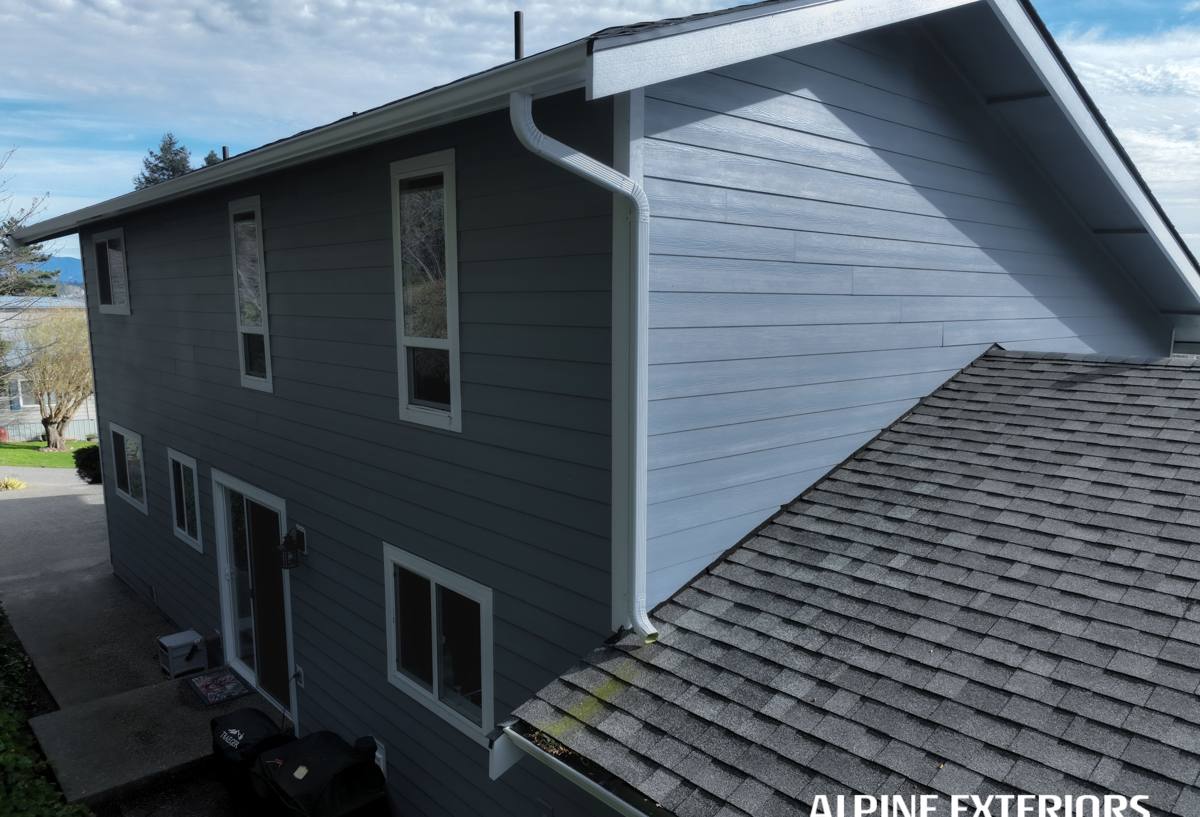
What Sarasota's Climate Actually Does to a Roof
Understanding the damage mechanism matters more than any brand name on a shingle wrapper. Four forces are doing the work against your roof, continuously:
- Wind uplift: Hurricane and tropical-storm gusts don't just push down on a roof — they create negative pressure that pulls up on shingles, ridge caps, and edge flashing. Roofs fail first at the perimeter, not the field.
- UV degradation: Central Florida sun bakes asphalt shingles and breaks down the oils that keep them flexible. Over years, shingles get brittle and granules shed faster than in cooler, cloudier climates.
- Wind-driven rain: During tropical systems, rain doesn't fall straight down — it's pushed sideways and can work its way under shingles, around vents, and into fastener holes that a calm-weather roof would never see stressed.
- Salt air corrosion: Even away from the immediate coastline, airborne salt accelerates corrosion on exposed metal — nail heads, flashing, vent stacks, and gutter hardware age faster here than inland in most other states.
A roof designed for a milder climate, or installed with shortcuts that don't matter in a low-wind region, will show its weaknesses here faster than almost anywhere else in the country.
Signs a Fruitville Roof Needs Replacing, Not Just Patching
Repairs make sense for isolated damage. Replacement becomes the honest recommendation when the roofing system as a whole is compromised. We look for:
- Granule loss heavy enough to expose the asphalt mat underneath, especially on south- and west-facing slopes that take the most direct sun.
- Shingles that are cupping, curling, or cracking — a sign the material has lost flexibility and won't seal properly in wind.
- Soft spots or sagging in the roof deck, which usually means moisture has already reached the wood.
- Repeated leaks in different spots after storms, rather than one consistent failure point.
- Rusted or lifting flashing around chimneys, skylights, and roof-to-wall transitions.
- A roof approaching or past 18-20 years old (asphalt) in this climate — Florida's UV and humidity shorten typical lifespans compared to cooler regions.
If your roof is showing two or more of these at once, patching individual spots usually just delays a full tear-off while spending money that doesn't carry forward into the new roof's cost.
What a Correct Roof Replacement Involves Here
Tear-Off and Deck Inspection
We remove the existing roofing down to the deck rather than layering over old material. This is also the only point where hidden problems — soft or rotted decking, old moisture trapped under prior layers, undersized or corroded fasteners — actually become visible. Any compromised decking gets replaced before anything new goes down; skipping this step is the single most common shortcut that leads to early failure.
Underlayment and Water Barrier
In a wind-driven-rain climate, the underlayment is doing real structural work, not just serving as a backup. We use synthetic or self-adhering underlayment systems rated for high-wind, high-moisture exposure, with extra attention to valleys, eaves, and any area prone to ice-dam-style water backup during heavy tropical rain.
Wind-Rated Fastening
Nailing pattern and fastener count matter more here than in most parts of the country. We follow Florida Building Code wind-uplift requirements for Sarasota County, which typically means more fasteners per shingle and stricter nailing zones than the manufacturer's minimum spec for a non-coastal climate.
Flashing and Edge Detail
Roof failures during storms concentrate at edges, valleys, and penetrations — chimneys, vent stacks, skylights. We replace flashing rather than reuse it, since corroded or loosely seated flashing is one of the most common points of water intrusion after a roof is otherwise sound.
Ventilation
Proper attic ventilation reduces heat buildup and moisture trapped under the roof deck, both of which shorten shingle life in Florida's heat and humidity. We check existing intake and exhaust balance and correct it where the current setup is undersized.
Material Options for This Climate
There's no single "best" roofing material for every home — the right choice depends on your budget, roof pitch, and how long you plan to stay in the home. Here's how the common options actually compare for Sarasota County conditions:
| Material | Wind Performance | UV/Heat Durability | Typical Lifespan Here | Relative Cost |
|---|---|---|---|---|
| Architectural asphalt shingle | Good, when rated and fastened to code | Moderate — UV shortens lifespan vs. cooler climates | 15-20 years | $ |
| 3-tab asphalt shingle | Lower wind rating than architectural | Lower — thinner material degrades faster | 10-15 years | $ |
| Standing seam metal | Excellent uplift resistance | Excellent — reflects heat, doesn't granule-shed | 30-50 years | $$$ |
| Concrete or clay tile | Very good when properly fastened | Excellent — very stable in sun and heat | 30-50 years | $$$ |
We'll walk you through the honest trade-offs for your specific roof: metal and tile cost more upfront but spread that cost over decades and handle wind and UV better; asphalt costs less initially and remains a solid, code-compliant choice when a quality architectural product is installed correctly. We don't push one product line as a one-size-fits-all answer — the right call depends on your roof structure, budget, and how the home is oriented to sun and prevailing wind.
Insurance, Permitting, and Wind Mitigation
A roof replacement in Sarasota County isn't just a construction project — it also affects your homeowner's insurance. A newer roof installed to current Florida Building Code wind standards can qualify for wind mitigation credits, which often lower premiums. We pull the required county permit, schedule the necessary inspections, and can provide the documentation your insurance carrier needs for a wind mitigation report after the job is complete. Skipping permitting to save time is a shortcut that can cost you at claim time — an unpermitted roof can complicate or void coverage exactly when you need it most.
Our Process, Start to Finish
- On-site inspection: We assess the current roof, attic ventilation, and any visible deck or flashing issues before quoting anything.
- Written estimate: A clear scope of work and price, with material options laid out honestly, including trade-offs.
- Permit pulled: We handle the Sarasota County permitting process before work begins.
- Tear-off and deck repair: Full removal of old roofing, with any compromised decking replaced.
- Underlayment, flashing, and roofing installation: Installed to current wind-uplift code, not just manufacturer minimums.
- Final inspection and cleanup: County inspection scheduled, site cleaned of debris and fasteners, and wind mitigation paperwork provided if applicable.
Why a Crew That Works Fruitville Regularly Matters
Roofing crews that only pass through an area occasionally tend to quote generically and can miss things specific to how homes in this part of Sarasota were built — common roof pitches, older ventilation layouts, or the way certain neighborhoods sit relative to prevailing storm winds. A crew that already works in Fruitville shows up knowing what to expect on the deck before the first shingle comes off, which means fewer surprises mid-project and a more accurate estimate from the start. It also means someone local is available if a question comes up after the job — not a call center in another state.
A Quick Checklist Before You Hire
- Confirm the contractor pulls a Sarasota County permit — don't accept "we'll skip it, it's faster."
- Ask what wind-rated fastening schedule they follow, not just what shingle brand they use.
- Get the tear-off and deck-repair terms in writing — know what happens if rotted decking is found.
- Ask whether they provide wind mitigation documentation for your insurer after completion.
- Check that flashing replacement (not reuse) is included in the scope.
- Get a written estimate that itemizes materials and labor, not a single lump number.
Get a Free, No-Pressure Estimate
If your Fruitville roof is showing its age or you just want an honest read on where it stands, we're happy to take a look. There's no obligation and no pressure — just a straight assessment and a written estimate you can use to make the decision on your own timeline. Use the form below to get started.