 Sarasota Siding
 Custom Decks Built for Gulf Gate Estates Homes
Gulf Gate Estates is one of Sarasota's established residential neighborhoods, with a mix of mid-century homes and newer renovations sitting under a mature tree canopy. A lot of the original outdoor living spaces in this area were never built to the standard that Florida's climate actually demands, and it shows in decks that have cupped, split, rusted, or simply gone soft underfoot years before they should have. A custom deck done right for this neighborhood isn't just about picking a nice board color. It's about building something that can take direct Gulf Coast sun, sideways rain, and the kind of wind Sarasota County sees during storm season, without turning into a maintenance headache or a liability.
This page covers what actually matters when you're planning a deck in Gulf Gate Estates: the climate factors working against your deck, the material and structural choices that hold up here, how permitting and wind load requirements come into play, and what our process looks like from first visit to final walkthrough.
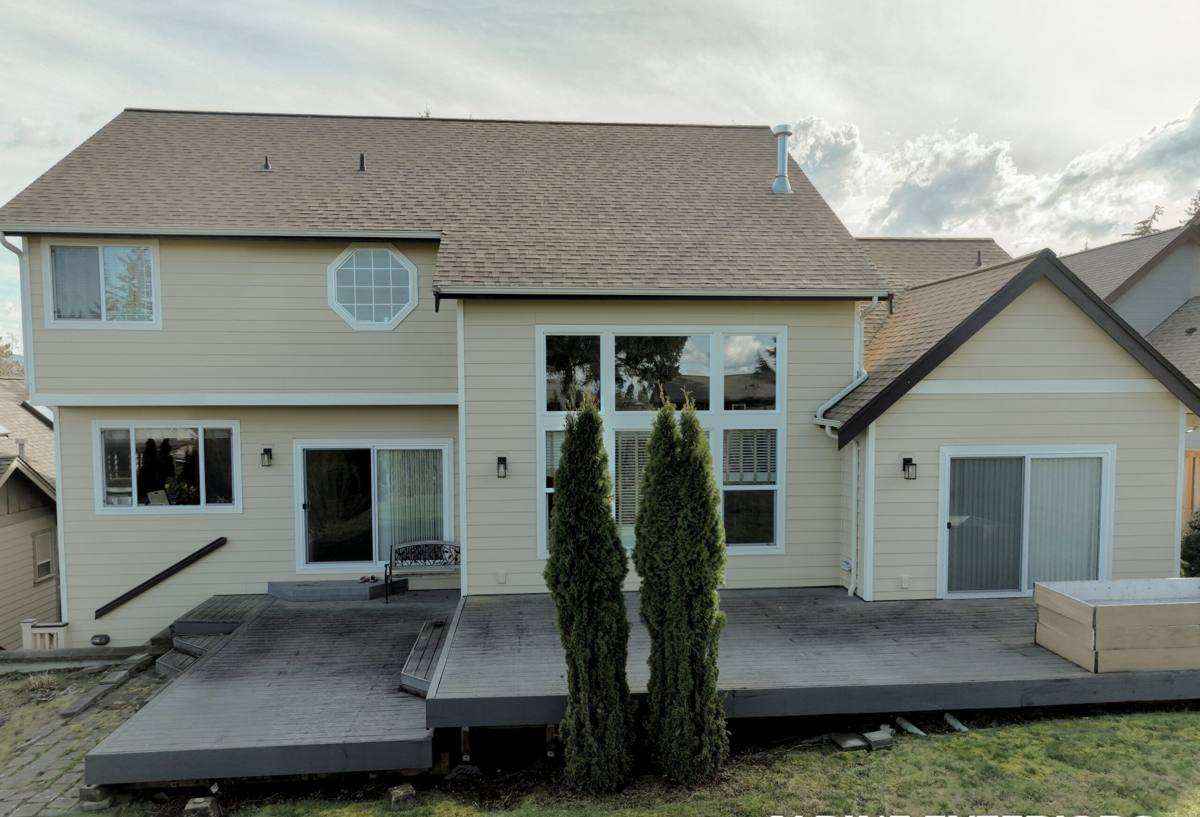
What Sarasota's Climate Does to a Deck
Coastal Southwest Florida is a tough environment for any exterior structure, and a deck takes more abuse than most because it's horizontal, exposed on all sides, and in constant contact with moisture at ground level.
Sun and UV Exposure
Sarasota gets strong, nearly year-round UV exposure. On decking, that means faster fading, surface checking, and embrittlement of lower-grade woods and plastics. Boards that aren't rated for intense UV will visibly wear within a few seasons, even with regular sealing.
Wind-Driven Rain and Moisture
Afternoon storms here don't just fall straight down — wind pushes rain sideways into ledger connections, under railings, and into any gap or seam that isn't properly flashed or sealed. Combined with Sarasota's humidity, that moisture doesn't dry out quickly, which is exactly the condition that leads to rot in wood framing and corrosion in fasteners.
Salt Air and Corrosion
Gulf Gate Estates isn't right on the water, but it's close enough to the coast that salt-laden air is a real factor. Standard hardware and lower-grade fasteners corrode faster here than they would inland, which is why fastener selection matters as much as the decking material itself.
Hurricane-Force Wind Loads
Sarasota County sits in a hurricane-prone zone, and decks — especially elevated ones and those attached to the house — need to be built to resist uplift and lateral loads, not just support foot traffic. A deck that's only built for everyday use can become a serious hazard in high wind if the ledger attachment, post connections, or railing system aren't up to standard.
Choosing the Right Decking Material for Gulf Gate Estates
There's no single "best" decking material for every home — it depends on your budget, how much upkeep you're willing to do, and how close you are to the coast. Here's an honest comparison of the common options we work with in this area.
| Material | Upfront Cost | Maintenance | Coastal/Sun Durability | Typical Lifespan |
|---|---|---|---|---|
| Pressure-treated pine | Lowest | Annual sealing/staining recommended | Moderate — needs consistent upkeep to resist moisture and UV damage | 10-15 years |
| Composite decking | Mid to high | Low — periodic washing, no sealing | Good — resists rot and fading better than untreated wood, quality varies by brand | 20-30 years |
| PVC/capped polymer | Highest | Lowest — wipe-down cleaning only | Very good — fully sealed surface resists moisture and salt exposure well | 25-30+ years |
| Tropical hardwood | High | Moderate to high — periodic oiling to maintain appearance | Good density and rot resistance, but installation is unforgiving | 20-25 years |
Our standard here is to steer homeowners away from materials that look great in a showroom but demand a maintenance schedule most people won't keep up with in a Florida climate. That's a trade-off conversation we have honestly, not a sales pitch — pressure-treated wood is a perfectly good choice for a lot of budgets, as long as you go in knowing what the upkeep looks like.
What a Correctly Built Deck Involves
The decking surface is the part everyone sees, but the structure underneath is what determines whether the deck is still solid — and safe — in ten or twenty years.
Footings and Framing
Footings need to be sized and set to local frost-free depth and soil-bearing requirements, and framing lumber should be rated for ground contact where it's near grade. In Sarasota's sandy soils and high water table conditions, footing depth and drainage around the post base both matter more than they would in a lot of other regions.
Ledger Board Attachment and Flashing
Where a deck attaches to the house, the ledger board connection and its flashing are one of the most common failure points we see on older decks in this area. Done wrong, wind-driven rain gets behind the ledger and rots the rim joist or sheathing from the inside, often invisibly until the deck starts to sag or pull away from the house.
Fasteners and Hardware
Given the salt air in this area, we use fasteners and structural connectors rated for coastal exposure — not the bargain-bin hardware that looks fine on day one and starts rusting and staining the decking within a year or two.
Guardrails, Stairs and Code Details
Guardrail height, baluster spacing, and stair geometry are all governed by Florida Building Code, and they're not optional details — they're safety requirements that also get checked at inspection. A correctly built deck meets these specs by design, not as an afterthought.
Our Process for Gulf Gate Estates Projects
- Site visit and assessment — we look at your home's structure, grade, drainage, and how you actually plan to use the space before talking materials.
- Design and material selection — we walk through the honest trade-offs between wood, composite, and PVC based on your budget and maintenance preferences.
- Permitting — we handle the permit application and engineering documentation required by Sarasota County and the City/County building department for your project.
- Construction — footings, framing, ledger attachment, decking, and railings, built to current Florida Building Code wind load requirements.
- Final walkthrough and inspection — we go over the finished deck with you and coordinate any required final inspections.
Permits, Codes and Wind Load Requirements in Sarasota County
Deck construction in Sarasota County requires a building permit in the vast majority of cases, along with plans that account for the local wind speed design requirements under the Florida Building Code. This isn't bureaucratic red tape for its own sake — it's the mechanism that makes sure your footings, post connections, and railing system are actually sized for hurricane-force wind, not just guessed at.
Skipping permitting, or hiring a crew that treats it as optional, puts you at risk in a few concrete ways: unpermitted structures can complicate a home sale, they may not be covered the same way by insurance after storm damage, and there's no third-party inspection to catch a structural mistake before it becomes a safety issue. We pull permits and coordinate inspections as a standard part of every deck project — it's not an upsell.
Keeping Your Deck in Shape Along the Gulf Coast
Whatever material you choose, a little regular attention goes a long way in this climate. A simple seasonal routine we recommend to homeowners in this area:
- Rinse off salt residue, pollen, and debris every few weeks, especially after storms
- Check fastener heads and connectors annually for rust staining or loosening
- Inspect the ledger board area and any spots where the deck meets the house for signs of moisture intrusion
- Reseal or restain wood decking on a schedule appropriate to the product — typically every one to two years
- Keep gutters and downspouts near the deck clear so runoff isn't dumping directly onto framing or footings
- Trim back overhanging vegetation to reduce standing moisture and debris buildup on the surface
- After any major storm, walk the structure and check railings, stairs, and post bases before heavy use
Why Hiring a Crew That Already Works in Gulf Gate Estates Matters
A deck contractor who works regularly in this neighborhood already knows the local permitting process, the typical soil and drainage conditions, and the wind load requirements that apply here — none of that is guesswork. That familiarity shows up in fewer surprises during permitting, fewer callbacks for issues that should've been caught during construction, and a deck that's actually built for what Sarasota throws at it rather than a generic build that happens to look right on day one.
It also matters for the long haul. A local crew is accountable to their work in a way that's harder to walk away from — this is a small enough market that reputation follows you, which is exactly the incentive you want from the people building something attached to your house.
If you're planning a new deck or need to replace one that's past its prime, we're happy to take a look and give you a straight assessment — no pressure, no obligation. Fill out the form below for a free estimate and we'll go over your options for your specific home and budget.