 Sarasota Siding
 Siding Installation Built for Gulf Gate Estates, Not Just Sold There
Gulf Gate Estates is an established residential neighborhood in Sarasota County, with homes spanning several decades of Florida building styles. That range matters when it comes to siding: a home built in the 1970s wasn't necessarily sided, repaired, or flashed the same way a home built in the 2000s was, and whatever is on the walls now has been absorbing Gulf Coast weather the entire time. When we talk about "siding installation" for this neighborhood, we don't mean a generic exterior upgrade. We mean matching the product and the installation details to what Sarasota's climate actually does to a house year after year — heat, humidity, salt-laden air, and the wind and rain that come with a long hurricane season.
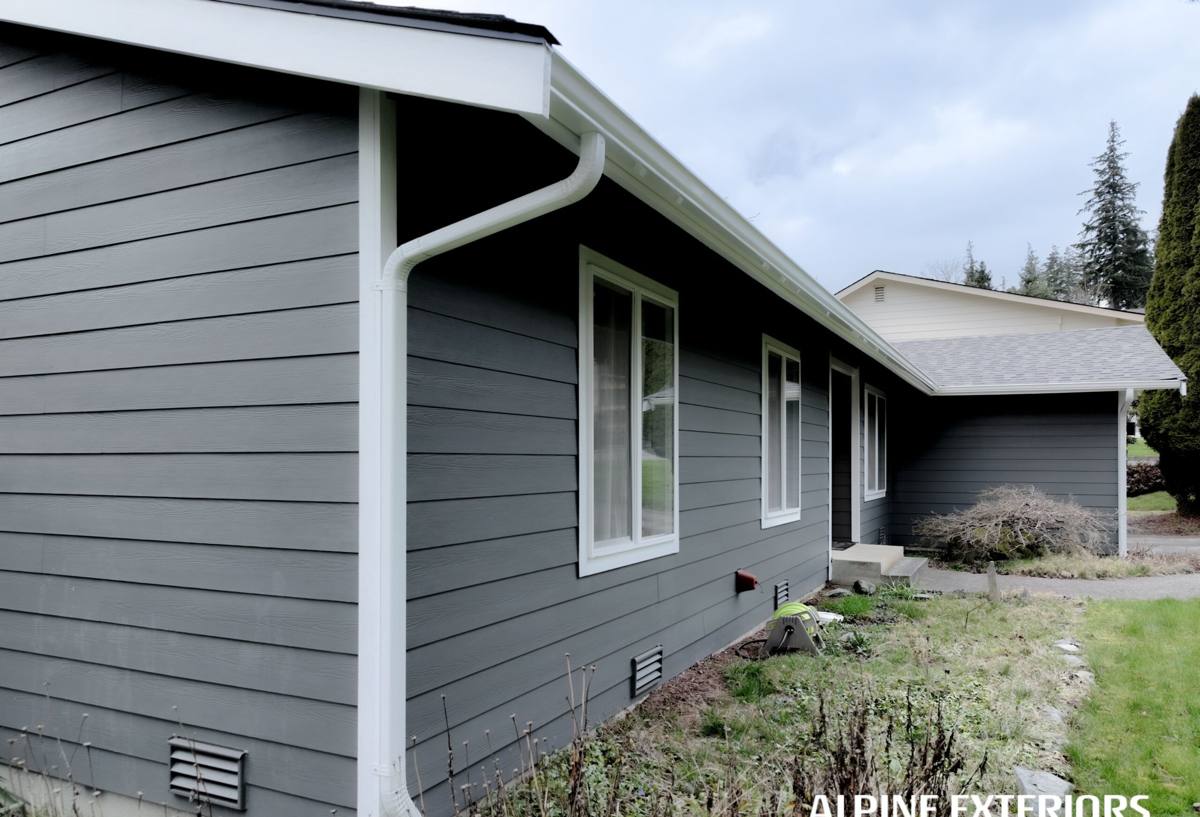
This page focuses on one service, in one place: full siding installation for homes in and around Gulf Gate Estates. Not a repair patch, not a general overview of siding options — the actual work of removing old siding, correcting what's underneath, and installing a system that's engineered to hold up here.
What Sarasota's Climate Actually Does to Siding
Wind and Storm Exposure
Homes in Sarasota County are built to Florida's high-wind building code requirements for good reason. Even outside of a direct hurricane hit, this area sees regular tropical-storm-strength wind events, and siding takes the brunt of that load directly. Panels that aren't fastened to spec, or that were installed with the wrong nailing pattern, are the pieces that come loose first — sometimes years before anyone notices, until a storm finds the weak point.
Intense, Year-Round UV
Sarasota gets strong sun exposure essentially all year, not just in summer. UV breaks down pigments and surface coatings over time, which is why siding that looked fine at year five can look chalky, faded, or blotchy by year twelve — especially on south- and west-facing walls that take the most direct sun.
Wind-Driven Rain
Rain in this region rarely falls straight down. Storms push it sideways, driving water into laps, seams, and trim joints that were never meant to be a primary water barrier. Siding systems and installation details that assume calm, vertical rainfall don't perform the same way here.
Salt Air
Gulf Gate Estates isn't beachfront, but Sarasota's proximity to the coast still means salt-laden air moves through the area regularly. Salt accelerates corrosion of fasteners and metal trim components, and it can quietly erode weak surface finishes over time — one more reason the fastener and finish choices on a job matter as much as the siding material itself.
Why We Install James Hardie Fiber Cement — And Nothing Else
We only install James Hardie fiber cement siding. We don't install vinyl, LP SmartSide, Cemplank, Allura, primed spruce, or cedar. That's not a marketing position — it's a standard we hold because of what we've seen these products do, and not do, in exactly this kind of climate over time.
James Hardie fiber cement is non-combustible, resists moisture-driven swelling and rot far better than wood-based sidings, and doesn't soften or sag in extreme heat the way some vinyl products can on a hot, sun-exposed wall. For homes in this region specifically, Hardie manufactures its HZ10 product line, engineered for hot, humid, coastal climates like ours — a different formulation than the version sold in colder, drier parts of the country. That regional engineering is part of why we standardized on this manufacturer rather than a generic fiber cement product.
Hardie's ColorPlus Technology finish is baked on in a factory-controlled process rather than field-applied, which gives it more consistent UV and fade resistance than a job-site paint job — directly relevant given how much direct sun Sarasota walls take. The company also backs its siding with a long, transferable limited warranty, which matters if you plan to sell the home down the road; a buyer inheriting a warranty on the exterior is a real selling point, not a footnote.
We go into more depth on the specific products we chose not to install on other pages of this site. On this page, the short version is this: we'd rather install one product system correctly and stand behind it than offer five options and hedge on all of them.
What a Correct Siding Installation Actually Involves
The material is only part of the equation. Most siding failures we get called out to inspect trace back to installation shortcuts, not the product itself. A correct job includes:
Tear-Off and Substrate Inspection
Old siding comes off entirely so the sheathing underneath can be inspected. This is where hidden moisture damage, soft wood, or prior water intrusion gets found and fixed — not covered over with a new layer on top.
Weather-Resistive Barrier
A proper water-resistive barrier goes over the sheathing before any siding goes up. In a wind-driven-rain climate, this layer is what protects the wall assembly if water ever gets past the siding itself — it's not optional and it's not interchangeable with whatever happens to be on hand.
Fastening to Manufacturer Spec
James Hardie publishes specific fastener types, spacing, and nailing patterns for different climate and wind exposures. Installing to that spec — not just "close enough" — is what keeps panels attached through wind events instead of becoming the loose piece that fails first.
Flashing and Trim Details
Windows, doors, corners, and butt joints are where water intrusion actually starts. Flashing has to be layered correctly — over what's below, under what's above — so water sheds outward instead of working its way behind the cladding.
Caulking and Finish
Factory-finished ColorPlus panels need the right caulk at joints and cut edges, and any field-cut edges need to be properly sealed and touched up per manufacturer guidance to maintain the warranty and the finish's weather resistance.
Our Process for Gulf Gate Estates Projects
The steps don't change from house to house, but the details we look for come from having worked on homes in this specific area and climate before.
- Site walk and assessment — we look at the existing siding, trim, and any visible signs of moisture or wind damage, and check what the home's exposure looks like (sun-facing walls, wind direction, proximity to landscaping or structures that trap moisture).
- Product and color selection — HardiePlank lap, HardieShingle, or HardiePanel, with trim and color selected from Hardie's ColorPlus palette to match the home and neighborhood.
- Tear-off and substrate repair — old material removed, sheathing inspected and repaired where needed before anything new goes up.
- Installation to spec — weather barrier, fastening pattern, and flashing details all completed per manufacturer and code requirements.
- Final walkthrough — we go over the finished work with the homeowner before calling the job complete.
What Drives Cost on a Siding Installation Here
Every home is different, but the same handful of factors tend to move the price and timeline on jobs in this area.
| Factor | Why It Matters |
|---|---|
| Home size and linear footage | More wall area means more material and labor hours, the most direct driver of total cost. |
| Condition of existing sheathing | Hidden rot or water damage found during tear-off requires substrate repair before new siding can go on. |
| Number of stories and accessibility | Second-story work and tight lot lines require more scaffolding, staging, and time. |
| Trim and architectural detail | Homes with more corners, gables, and window trim take longer to flash and finish correctly. |
| Product line and profile | HardiePlank, HardieShingle, and HardiePanel differ in material and labor cost per square foot. |
| Permitting requirements | Full siding replacement typically requires a permit and inspection, which adds a defined step to the timeline. |
Why a Crew That Already Works Gulf Gate Estates Is Worth Choosing
Every neighborhood in Sarasota County has its own mix of home ages, common construction details, and permitting quirks. A crew that's already done work in Gulf Gate Estates has a head start on what to expect before the tear-off even begins — the kinds of sheathing conditions common to homes of a certain era, how prior additions or remodels were typically flashed, and what the county's permitting and inspection process looks like for this kind of project. That familiarity translates into fewer surprises mid-job, which is where cost overruns and schedule slips usually come from.
It also means we're not learning Sarasota's climate demands on your house. We already know why HZ10 product and correct fastening matter here — we're not applying a one-size-fits-all approach built for a different part of the country.
Signs Your Gulf Gate Estates Home May Need New Siding
- Visible warping, buckling, or waviness in the siding panels
- Cracking or splitting, especially near corners and trim joints
- Soft spots when you press on the siding by hand
- Paint that won't hold or needs repainting far more often than it used to
- Rust streaks or corrosion around fasteners and metal trim
- Gaps opening up at trim, window, or door edges
- Rising cooling bills that suggest the wall assembly is no longer performing
- Signs of moisture, staining, or musty odor on interior walls along exterior-facing rooms
Any one of these on its own might just need a repair. Several at once, especially on a home that's due for its first or second re-siding, usually means it's time to talk about full replacement rather than patching.
Let's Take a Look at Your Home
If you're weighing a siding project for your Gulf Gate Estates home, we're happy to take a look and give you a straight answer about what your house actually needs — no pressure, no upsell to a product we don't stand behind. Use the form below to request a free estimate.