 Sarasota Siding
 Why Siding Choice Matters More in Ellenton Than Most Places
Ellenton sits in a stretch of the Gulf Coast where exterior materials get tested harder and more often than almost anywhere else in the country. Homes here deal with a combination that few other regions face at once: sustained high humidity for most of the year, intense UV exposure, wind-driven rain that pushes moisture sideways into wall assemblies, and a steady dose of salt-laden air moving inland off the coast. Add hurricane season into the mix, and you have a climate that doesn't just wear siding down cosmetically — it can compromise the material itself if the product or the installation wasn't built for these conditions in the first place.
This is why we install James Hardie fiber cement siding exclusively. It isn't a marketing position — it's a decision based on what actually holds up under Gulf Coast conditions over the long haul, and what we've seen fail prematurely when it wasn't designed for this climate.
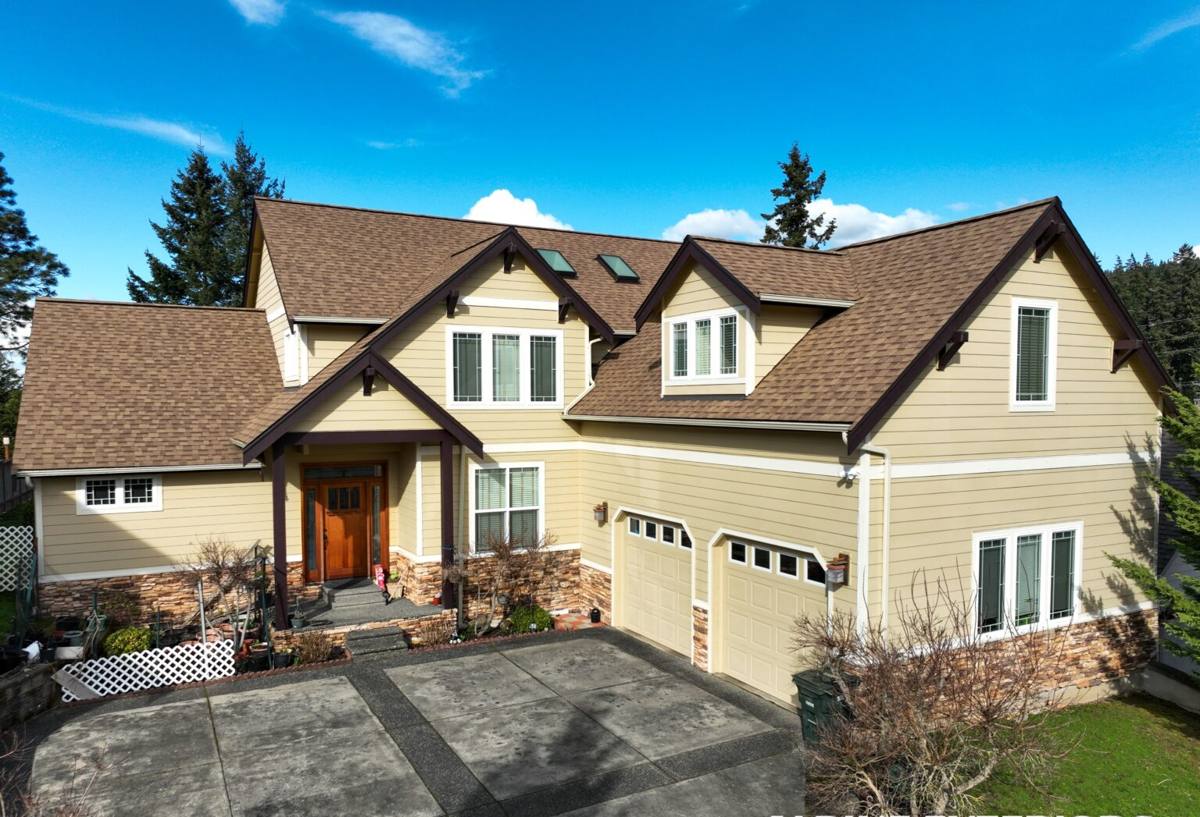
What Ellenton's Climate Actually Does to Exterior Siding
Heat and UV
Florida sun is relentless, and siding on west- and south-facing walls takes the brunt of it. Materials with weak UV resistance fade unevenly, chalk, or become brittle over time. Factory-applied finishes that aren't engineered for this level of exposure often need repainting far sooner than homeowners expect.
Humidity and Moisture
Year-round humidity means siding rarely gets a long dry stretch to fully release moisture it may have absorbed. Products that swell, warp, or hold water against the wall assembly create conditions for rot in the sheathing behind them — a problem that's often invisible until it's expensive.
Wind-Driven Rain
Storms here don't just rain down — they rain sideways. Wind-driven rain finds every gap in flashing, every unsealed seam, and every panel that wasn't fastened to spec. The siding material matters, but so does the installation detail that keeps water from getting behind it.
Salt Air
Even at a few miles inland, salt air accelerates corrosion of fasteners and metal trim, and it degrades finishes that aren't formulated to resist it. Over years, this is a slow, cumulative process that shows up as fastener staining, finish breakdown, and edge deterioration.
Why James Hardie Is Built for This Specific Combination
James Hardie fiber cement is a mix of cement, sand, and cellulose fibers, engineered to be dimensionally stable — meaning it doesn't expand, contract, warp, or rot the way wood-based or wood-look products can when humidity swings. It's also non-combustible, which matters increasingly to insurers and homeowners alike.
For markets like ours, James Hardie makes an HZ5 product line specifically engineered for high-humidity, high-moisture climates — Florida and the Gulf Coast fall squarely into this category. The factory ColorPlus finish is baked on and warrantied against fading and chipping, which matters enormously here given how much UV exposure the average Ellenton home takes over a year. That finish is also formulated to hold up against the kind of salt exposure coastal-adjacent homes deal with, where a standard field-applied paint job would degrade faster.
Signs an Ellenton Home's Siding Needs Attention
Because siding problems often start behind the surface, homeowners frequently miss the early warning signs. Here's what we tell Ellenton homeowners to watch for:
- Soft or spongy spots when you press on the siding, especially near the bottom courses
- Visible warping, buckling, or panels that no longer sit flat against the wall
- Paint that's peeling, bubbling, or chalking heavily, especially on sun-exposed walls
- Dark streaking, staining, or a musty smell near seams and corners
- Rusted or discolored fasteners showing through the surface
- Gaps opening up at trim, corners, or window and door casings
- Visible cracking, especially after storm season
Any one of these on its own may not be urgent, but a combination — particularly softness plus staining — usually means moisture has already gotten behind the cladding and into the wall assembly.
What a Correct Installation Involves
James Hardie siding performs the way it's rated to perform only when it's installed to the manufacturer's specifications. This is the part that gets skipped or rushed by crews that don't specialize in fiber cement, and it's where most premature failures actually originate — not in the material itself.
Moisture Management First
Before a single piece of siding goes up, the wall needs a correctly lapped weather-resistive barrier, properly integrated flashing at every window, door, and penetration, and a drainage plane that lets any moisture that does get behind the siding find its way back out. In a climate with as much wind-driven rain as ours, this step is not optional detail work — it's the difference between siding that lasts decades and siding that hides a rot problem for years.
Fastening to Spec
James Hardie specifies fastener type, spacing, and placement for a reason — under-fastened or improperly placed panels can work loose in high wind, and incorrect fasteners corrode faster in salt air. We follow Hardie's published fastening schedules, not a generic approximation of them.
Proper Clearances and Gaps
Siding needs the correct gap from grade, roofing, decks, and adjoining trim to avoid wicking moisture. It also needs expansion gaps at butt joints, filled and sealed with the right sealant — a detail that's easy to shortcut and hard for a homeowner to catch after the fact.
Caulking and Sealant Details
Every seam, joint, and penetration needs the right sealant, applied correctly, to keep wind-driven rain from finding a way in. Cheap or misapplied caulk is one of the most common points of early failure we see on homes that weren't originally installed by a fiber-cement specialist.
How Our Process Works in Ellenton
| Step | What Happens |
|---|---|
| Assessment | We inspect existing siding, sheathing, and moisture barrier condition, and walk the exterior to identify problem areas specific to sun exposure and drainage on your lot. |
| Product Selection | We help you choose the right Hardie product line, plank profile, and color for your home's style and sun exposure. |
| Prep and Moisture Barrier | Old siding is removed, sheathing is inspected and repaired as needed, and a correctly lapped weather-resistive barrier and flashing system go in before any new siding. |
| Installation | Panels are installed to Hardie's fastening, clearance, and sealant specifications, with attention to every seam and penetration. |
| Final Walkthrough | We review the finished job with you, covering care basics and warranty registration. |
We don't skip the assessment step, even on jobs that look straightforward. What's happening behind the existing siding — sheathing condition, past water intrusion, prior repair quality — often determines the real scope of the work, and finding that out before we start means no surprises mid-project.
James Hardie Product Lines and Color Options
| Product Line | Best For | Notes |
|---|---|---|
| HardiePlank Lap Siding | Most Ellenton homes, traditional and modern styles | Available in multiple textures and exposures |
| HardieShingle | Accent areas, gables, coastal-style homes | Staggered or straight-edge panel options |
| HardieTrim | Window, door, and corner trim | Matched fiber cement trim for a consistent, durable finish |
| HardiePanel | Vertical siding applications, modern designs | Often paired with lap siding as an accent |
ColorPlus finishes come in a range of factory-baked colors engineered to resist fading under Florida sun far longer than field-applied paint. For homeowners who want to match an existing palette or repaint down the road, primed panels for field painting are also available, though most Ellenton homeowners choose ColorPlus specifically to avoid a repaint cycle in this climate.
What Drives the Cost of a James Hardie Project
| Factor | Why It Matters |
|---|---|
| Home size and wall complexity | More corners, gables, and dormers mean more cutting, trim, and labor time |
| Existing siding removal and disposal | Full tear-off adds labor versus installing over new construction sheathing |
| Sheathing repair | Rot or water damage found during tear-off needs to be addressed before new siding goes on |
| Product line and profile | Plank width, texture, and shingle-style siding vary in material cost |
| Trim and accent work | HardieTrim, shingle accents, and custom detailing add to scope |
| Color and finish | ColorPlus factory finish versus primed-for-paint affects material pricing |
We give homeowners a real number after seeing the home in person — broad online estimates rarely account for what's actually happening behind the existing siding, which is often the biggest swing factor in the final cost.
Why We Only Install James Hardie
We get asked periodically about vinyl, LP SmartSide, or other fiber cement brands. Our answer is consistent: we standardized on James Hardie because it's the product we've found performs most reliably under Gulf Coast conditions when installed correctly, backed by a strong transferable warranty and a factory finish built for heavy UV exposure. Other products have their own strengths, and reasonable installers choose differently — but we'd rather put our name behind one system we know well and trust in this climate than stretch our crews thin across several.
Why a Crew That Already Works Ellenton Matters
Fiber cement siding is forgiving of Florida's climate when it's installed correctly — and unforgiving when it isn't. A crew that works this area regularly knows the drainage and moisture-barrier details that matter most here, has already worked through the permitting expectations for this part of the county, and understands how sun exposure and storm direction typically affect homes in this specific pocket of the Gulf Coast. That local familiarity shows up in fewer surprises during the project and a better outcome once it's done.
If you're weighing a siding replacement or repair on an Ellenton home, we're happy to walk the exterior with you and give you a straight, no-pressure assessment of what your home actually needs. Use the form below to request a free estimate.