 Sarasota Siding
 Why Gulf Gate Estates Homes Take a Different Kind of Beating
Gulf Gate Estates sits close enough to the Gulf that homes here deal with a combination of stresses that inland Florida neighborhoods don't see nearly as often. Salt-laden air moves through the neighborhood on the prevailing onshore breeze, humidity stays high for most of the year, and the sun is intense enough in July and August to break down lesser exterior materials well before their expected lifespan is up. Add in the wind-driven rain and gusts that come with Sarasota County's hurricane season, and the siding on a Gulf Gate Estates home is under more or less constant load, both fast and slow.
Most siding failures we see in this part of Sarasota aren't dramatic. They're slow: a seam that opens up a hairline gap, paint that starts chalking two years early, a bottom course that stays damp after every afternoon storm because it was hung too close to grade. By the time a homeowner notices, moisture has usually already been working behind the cladding for a while. The fix for that isn't a better paint job — it's starting with a material that's engineered for this exact climate and installing it the way the manufacturer specifies, not the way it's fastest to hang.
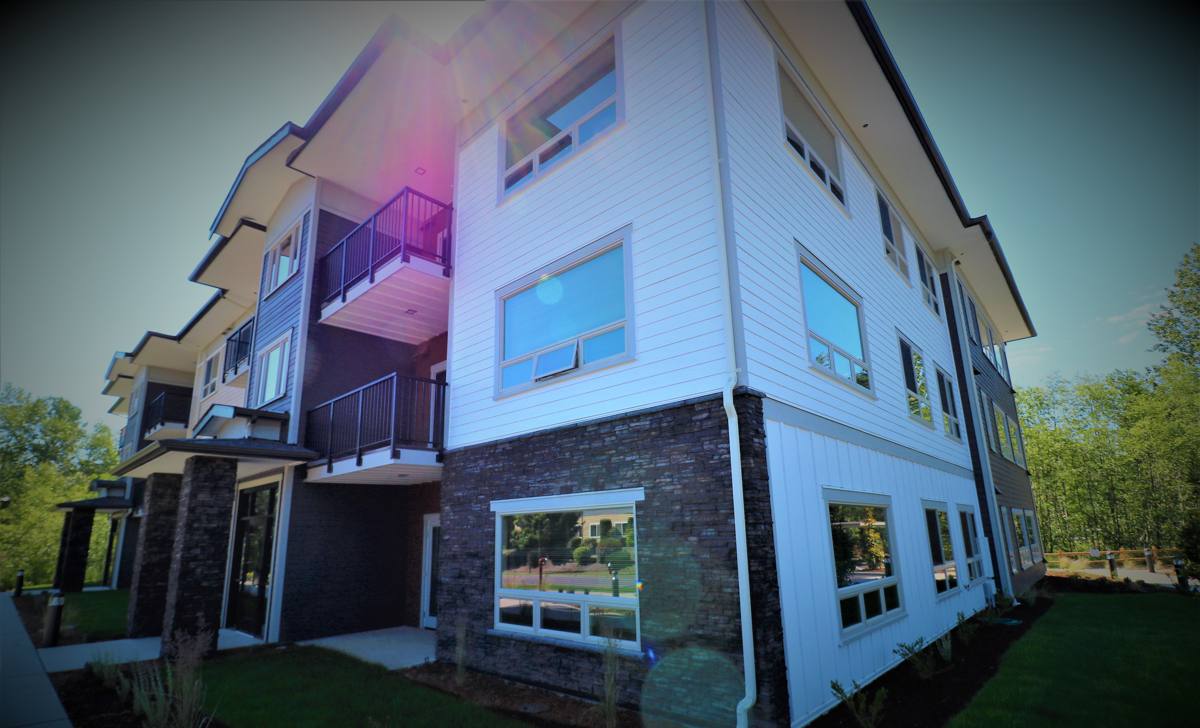
What James Hardie Fiber Cement Brings to a Gulf Gate Estates Home
We install James Hardie fiber cement siding exclusively. That's not a marketing position — it's a standard we hold because of what this specific climate does to exterior materials over ten, fifteen, twenty years. Fiber cement is made from cellulose fiber, sand, and Portland cement, and it doesn't absorb water the way wood-based products do, doesn't support rot, and isn't a food source for pests. In a neighborhood where humidity sits high for months at a stretch, that matters more than most other performance specs on the sheet.
HardiePlank, HardieShingle, and HardiePanel — matching the line to the home
Gulf Gate Estates has a real mix of home styles, from ranch-style homes built in the neighborhood's original mid-century development to newer construction with more varied rooflines. James Hardie's product lines let us match the siding profile to the house instead of forcing one look on every project:
- HardiePlank lap siding — the most common choice for traditional and ranch-style homes, available in several exposure widths and smooth or cedar-textured finishes.
- HardieShingle — staggered or straight-edge panels for homes that want a coastal cottage or shingle-style look, without the maintenance burden of real wood shakes.
- HardiePanel — vertical panel siding, often used as an accent on gables, porch surrounds, or modern-leaning facades.
- HardieTrim — matching trim boards so corners, fascia, and window surrounds age at the same rate as the field siding instead of becoming the first thing that needs repainting.
ColorPlus Technology vs. field-applied paint
Every board we install can be ordered with James Hardie's ColorPlus finish — a color baked onto the fiber cement at the factory under controlled conditions, backed by its own finish warranty. In a high-UV, salt-air environment like Gulf Gate Estates, that matters because field-applied paint is the first thing to fail: it chalks, fades unevenly depending on sun exposure, and needs recoating on a cycle that a factory finish is built to outlast. We still offer field-painted siding when a homeowner wants a fully custom or non-stock color, but ColorPlus is what we recommend for anyone who wants to get years of that "just painted" look before it needs attention again.
What a Correct James Hardie Installation Actually Involves
James Hardie siding performs the way it's rated to perform only when it's installed to the manufacturer's specifications. This is the part of the job that separates a siding installation that lasts from one that starts showing problems in year three.
Climate-engineered product, installed for this climate zone
James Hardie manufactures its siding in regional formulations — HZ5 for most of the continental U.S., and HZ10 for the Gulf Coast and other high-moisture, high-humidity regions that include Sarasota County. The HZ10 formulation is engineered specifically for areas that see the combination of heat, humidity, and moisture exposure that Gulf Gate Estates deals with year-round. We order and install the product line that matches this climate zone — not a general-purpose formulation that happens to be in stock.
Fastening, clearances, and flashing — where most failures start
The manufacturer's installation manual specifies fastener type and spacing, minimum clearance from the siding's bottom edge to grade, roof lines, and decking, and how each course laps and ties into flashing at windows, doors, and penetrations. None of that is optional if a homeowner wants the warranty to actually hold up:
| Installation detail | Why it matters in Sarasota's climate |
|---|---|
| Proper ground and roof clearance | Prevents wicking and standing moisture during Sarasota's frequent afternoon downpours |
| Correct fastener type and depth | Keeps panels secure under hurricane-force wind loads without over-driving and cracking the board |
| Weather-resistant barrier behind the siding | Second line of defense against wind-driven rain that gets past the cladding |
| Flashing at every window, door, and penetration | The single most common source of hidden water intrusion when skipped or rushed |
| Caulking only where James Hardie specifies it | Over-caulking traps moisture instead of letting the assembly dry properly |
Our Process for Gulf Gate Estates Projects
Every project follows the same sequence, whether it's a full re-side or a targeted section replacement:
- On-site assessment. We walk the exterior, check for existing moisture damage or soft sheathing, and take exact measurements — not an estimate from a photo.
- Product and profile selection. We go over HardiePlank, HardieShingle, and HardiePanel options, exposure widths, and ColorPlus color choices based on the home's style and the homeowner's preference.
- Substrate check and repair. Any water-damaged sheathing or framing found underneath old siding gets addressed before new siding goes up — covering a problem instead of fixing it just moves the failure a few years down the road.
- Weather-resistant barrier and flashing installation. This layer goes in before a single piece of Hardie board is hung, and it's inspected before we close it in.
- Siding installation to manufacturer spec. Correct clearances, fastener schedule, and coursing, following James Hardie's published installation guidelines for the HZ10 climate zone.
- Final walkthrough. We go over the finished work with the homeowner and confirm trim, caulking, and touch-up details before calling the job complete.
James Hardie vs. Other Siding Materials Homeowners Ask About
We only install James Hardie, and homeowners deserve to know why before they commit to a material. Here's how it stacks up against the other products we get asked about:
| Material | How it holds up in Sarasota's climate |
|---|---|
| James Hardie fiber cement | Non-combustible, resists moisture and pests, engineered HZ10 formulation for Gulf Coast humidity, factory finish available |
| Vinyl siding | Can warp or become brittle under sustained high heat and intense UV; seams are a common entry point for wind-driven rain |
| LP SmartSide (engineered wood) | Wood-based core is more vulnerable to moisture intrusion at cut edges and seams in a high-humidity, high-rainfall environment |
| Primed spruce or cedar | Natural wood requires the most frequent maintenance and repainting cycle; most exposed to rot in humid coastal air |
We're not going to tell a homeowner that any of these products are junk — vinyl, engineered wood, and cedar all have legitimate uses and plenty of installed examples that look fine for a while. Our position is narrower: given what this climate does to a home's exterior over a fifteen- to twenty-year horizon, we don't think they hold up as well as fiber cement, and we'd rather stand behind one product we trust than install several we have reservations about.
Maintenance in a Salt Air, High-UV Environment
James Hardie siding is low-maintenance, not zero-maintenance. A realistic upkeep routine for a Gulf Gate Estates home looks like:
- Rinsing the exterior periodically to clear salt residue and airborne grit, especially on sides of the home that face open exposure.
- Checking caulking at trim joints and penetrations once a year, ideally before hurricane season, and re-caulking anywhere it's cracked or pulled away.
- Watching for any paint or ColorPlus finish changes near ground level, gutters, or downspouts — early signs of a moisture issue that's easier to fix small than large.
- Keeping landscaping and sprinkler heads from spraying directly on the lower courses of siding.
- Repainting on the cycle recommended for the finish type — much longer for ColorPlus than for field-applied paint.
Why Hiring a Crew That Already Works Gulf Gate Estates Matters
Siding installation isn't uniform across Florida, and it definitely isn't uniform across the country. A crew that mostly installs in drier, inland climates may not think twice about clearance details or flashing sequencing that are non-negotiable here. A crew that regularly works Gulf Gate Estates and the surrounding Sarasota County neighborhoods already knows the wind exposure patterns on different sides of a typical lot, has a feel for how local permitting and wind-load requirements apply to siding replacement, and isn't guessing at how HZ10 product behaves in the field — they've already hung it in this same salt air and sun.
That local familiarity also shows up in smaller, practical ways: knowing which neighborhoods sit closer to open water and need extra attention to fastener corrosion resistance, understanding how afternoon storm patterns affect scheduling, and being able to walk a homeowner through what's realistic for their specific lot rather than a generic answer.
A Pre-Project Checklist for Gulf Gate Estates Homeowners
- Confirm the installer is quoting James Hardie's HZ10 climate-zone product, not a general-purpose formulation.
- Ask what weather-resistant barrier and flashing details are included before siding goes on.
- Get clarity on ColorPlus factory finish vs. field-applied paint, and what warranty applies to each.
- Ask how the crew handles substrate repair if water damage is found once old siding comes off.
- Confirm fastener type and spacing meet James Hardie's published specification for wind exposure in this area.
- Get the installation warranty and the manufacturer's product warranty in writing, separately.
If your Gulf Gate Estates home needs new siding, or you want a second opinion on a quote you've already received, we're happy to walk the exterior with you and put together a free, no-pressure estimate.