 Sarasota Siding
 Roof Repair Built for Lakewood Ranch Homes
Lakewood Ranch sits inland from the coast, but that doesn't mean the roofs here get an easy life. Between Sarasota County's summer storm cycle, the year-round UV load, and the wind gusts that come through with every passing front, roofs in this community take a steady beating. Add in the mix of housing stock — newer master-planned neighborhoods with tile and dimensional shingle roofs, alongside older sections with roofs now well into their service life — and you get a wide range of repair needs, all shaped by the same regional climate.
We repair roofs in Lakewood Ranch on a routine basis, which means we already know what tends to fail first in this area, what the local permitting and inspection process looks like, and what a repair needs to hold up to before the next named storm rolls through.
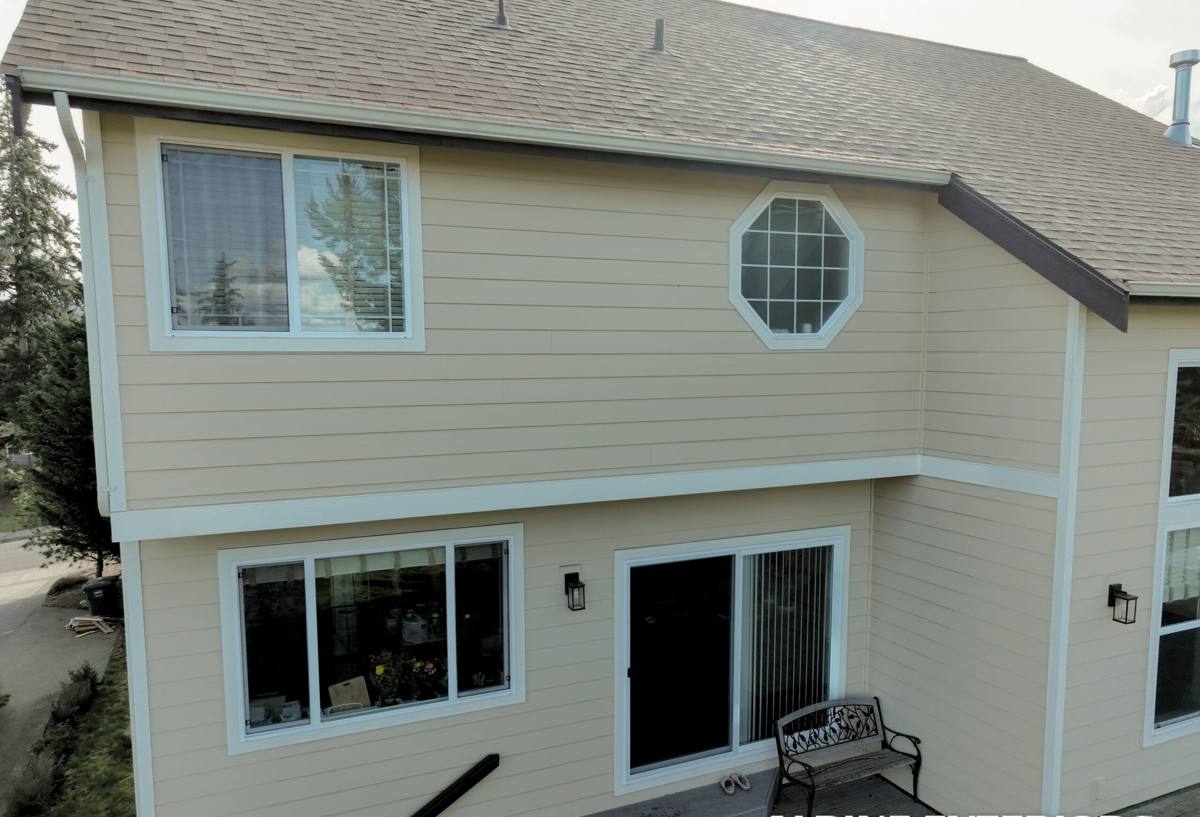
What Sarasota County's Climate Does to a Roof
Roof damage in this part of Florida rarely comes from one dramatic event. More often it's the slow accumulation of stress from several forces working on the roof at once.
Heat and UV
Florida gets more direct sun exposure than almost anywhere else in the country, and that UV load breaks down roofing materials from the top down. Asphalt shingles lose their granules and become brittle. Underlayment dries out and loses flexibility. Sealants around penetrations — vents, flashing, skylights — crack and shrink years before the roofing material itself is due for replacement.
Wind-Driven Rain
Lakewood Ranch sees intense, fast-moving storms, especially during hurricane season. Wind doesn't just push rain sideways — it drives water up and under roofing material at edges, ridges, and flashing points that were never designed to handle water moving against gravity. This is one of the most common causes of leaks we find that have nothing to do with a missing shingle or a cracked tile.
Wind Uplift
Hurricane-force gusts create uplift pressure at eaves, ridges, and rake edges — the areas most likely to catch wind first. A roof can look intact from the ground after a storm and still have loosened fasteners, lifted tabs, or cracked tiles that won't show themselves as a leak until the next heavy rain.
Salt Air
Lakewood Ranch is inland, but it's still close enough to the Gulf that salt-laden air reaches metal roofing components, fasteners, and flashing. Salt exposure accelerates corrosion, which is a slower process than storm damage but just as important to catch early — corroded fasteners and flashing are a leading cause of leaks that seem to appear "out of nowhere."
Signs Your Roof Needs Repair, Not Just a Look
Most homeowners don't get on their own roof, and they shouldn't — but there are signs visible from the ground or inside the house that point to a repair need.
- Water stains on interior ceilings or upper walls, especially after a heavy rain event
- Missing, curling, or cracked shingles visible from the driveway or yard
- Cracked, slipped, or missing tiles on a tile roof
- Granules collecting in gutters or at downspout outlets
- Visible daylight through the attic decking
- Soft or spongy spots when walking the attic (not the roof itself)
- Rusty streaking below metal flashing or roof vents
- A musty smell in the attic or top-floor rooms, which often signals slow, hidden moisture
- Higher-than-normal cooling bills, which can point to attic moisture or ventilation problems tied to roof condition
Any one of these on its own doesn't necessarily mean a major problem. But in this climate, small issues compound fast — a loose tile or lifted shingle that goes unaddressed through one more storm season usually gets worse, not better.
What a Correct Roof Repair Actually Involves
A roof repair done right isn't just patching the spot where water is showing up inside the house. Interior staining often shows up several feet away from where water is actually entering the roof system, because water travels along decking and framing before it drips through. A repair that only addresses the visible interior spot without tracing the actual entry point tends to fail again within a season or two.
Our repair process
- Inspection. We get on the roof and check the full field of material, not just the area near the reported leak — flashing, penetrations, ridge and hip lines, valleys, and edges.
- Source tracing. For interior leaks, we trace the path water is taking from entry point to where it's showing up, checking decking and framing condition along the way.
- Scope confirmation. We tell you plainly what we found, what it will take to fix it, and whether it's a true repair or a sign that a larger section (or the whole roof) is nearing the end of its service life. We don't pad a repair into a replacement recommendation unless the roof actually warrants it.
- Repair work. Replacing damaged shingles or tiles, re-securing loosened material to current wind-resistance standards, resealing and re-flashing penetrations, and replacing any compromised decking or underlayment in the affected area.
- Verification. We check the repaired area and surrounding material to confirm the fix addresses the actual cause, not just the symptom.
Tile vs. Shingle Repair Considerations
Lakewood Ranch has a significant number of tile roofs, alongside dimensional and architectural shingle roofs, so repair approach depends heavily on the roofing material already on the house.
| Factor | Tile Roofs | Shingle Roofs |
|---|---|---|
| Common failure point | Cracked or slipped tiles, deteriorated underlayment beneath intact tile | Lifted or missing tabs, granule loss, cracked sealant at penetrations |
| Repair complexity | Matching tile profile and color; careful walking to avoid breaking adjacent tile | Generally faster access, but color matching on older roofs can be a challenge |
| Hidden damage risk | Underlayment can fail while tile above still looks fine | Decking rot can occur under an intact-looking shingle field |
| Wind vulnerability | Uplift at ridge, hip, and rake tiles during hurricane-force gusts | Edge and ridge shingles most prone to lifting |
| Typical repair lifespan | Long, if underlayment is sound | Moderate — shingle material continues to age around the repair |
Because tile can look fine on the surface while the underlayment beneath it fails, a tile roof repair sometimes involves removing and resetting sound tile to get at the actual problem layer underneath — not because the tile itself is bad, but because that's where the real damage usually is.
Storm Damage and Insurance Considerations
After a significant wind or hail event, it's worth having a roof checked even if there's no visible interior leak yet. We document what we find with photos and a clear written scope, which is useful whether you're filing an insurance claim or just want a record of the roof's condition for your own files. We give you an honest assessment either way — if the damage doesn't rise to the level of a claim, we'll tell you that directly rather than encouraging you to file one.
Maintenance That Prevents Repairs
A lot of repair calls we get could have been smaller (or avoided) with basic upkeep. In Sarasota County's climate, a few habits go a long way:
- Keep gutters and valleys clear so water doesn't back up under roofing material
- Trim overhanging branches that drop debris or scrape material during wind
- Have the roof checked after any storm with sustained winds, not just after a hurricane
- Address small leaks immediately rather than waiting to see if they "dry up"
- Keep attic ventilation clear, since poor airflow accelerates material breakdown from the underside
Why Local Experience Matters for Roof Repair
Roof repair is one of those jobs where local knowledge changes the outcome. A crew that works Lakewood Ranch regularly already knows the roofing materials and installation styles common to the area's neighborhoods, understands the wind and rain patterns specific to inland Sarasota County versus the immediate coast, and is familiar with the local permitting requirements that apply to roof repair work here. That familiarity means fewer surprises, a more accurate first estimate, and a repair scoped around how this specific climate actually stresses a roof — not a generic checklist.
We also stand behind repair work with a clear, honest scope of what was done and why, so you know exactly what you're paying for and what to expect going forward.
Get a Free Estimate
If you're dealing with a leak, storm damage, or a roof that's just showing its age, we're happy to take a look and give you a straight answer — no pressure, no upsell. Fill out the form below to schedule a free roof repair estimate for your Lakewood Ranch home.