 Sarasota Siding
 Roof Replacement in Lakewood Ranch: What the Climate Actually Demands
Lakewood Ranch sits inland from Sarasota Bay, but "inland" doesn't mean sheltered. Homes here still take the full brunt of what the Gulf Coast throws at a roof system: sustained hurricane-force wind gusts during named storms, months of intense subtropical UV that most other parts of the country never see, wind-driven rain that gets pushed sideways under poorly sealed edges, and salt-laden air that migrates well inland on sea breezes and slowly attacks exposed metal fasteners and flashing. A roof built for a mild climate simply doesn't hold up here the same way.
That's the difference between a roof replacement done for a Lakewood Ranch home and a generic reroof. The materials, fastening pattern, underlayment, and flashing details all need to account for this specific combination of stressors — not just "does it look good and shed water."
The Four Forces Working Against Your Roof
- Wind uplift: Sarasota County building code requires roofing systems rated for high-velocity wind zones, and Lakewood Ranch is no exception — every shingle, tile, or metal panel has to be fastened and sealed to resist uplift, not just laid down.
- UV degradation: Year-round sun bakes asphalt shingles, dries out sealants, and breaks down lesser underlayments faster than in northern climates. Material choice and installation quality both affect how fast this shows up.
- Wind-driven rain: Storms here don't just fall straight down — they push water sideways and upward under edges, ridge caps, and around penetrations. Flashing and underlayment overlap direction matter more than in calmer climates.
- Salt air corrosion: Even miles from the water, airborne salt accelerates rust on exposed steel fasteners, vents, and flashing. Fastener and flashing material choice matters more here than most homeowners realize.
Signs a Lakewood Ranch Roof Needs Replacement, Not Another Patch
Not every roof problem calls for a full tear-off. But there's a point where repeated patching stops being cost-effective and starts masking a bigger issue underneath. We look at the whole system, not just the visible surface, before recommending replacement.
- Shingles that are cracked, curling at the edges, or missing granules across large sections rather than one isolated spot
- Soft or spongy decking felt underfoot when walking the roof, which usually means water has already reached the wood
- Repeated leaks in different locations after storms, rather than one recurring spot that can be sealed
- Visible daylight or staining in the attic around the roof deck or rafters
- A roof approaching or past the manufacturer's expected service life, especially one that's taken multiple storm seasons of direct wind and UV exposure
- Granule buildup in gutters that's accelerating year over year, a sign the shingle surface is breaking down
If your roof is showing one or two of these signs, a repair may still make sense. If it's showing several at once, replacement is usually the more honest recommendation — and it's what we'll tell you either way.
What a Correct Roof Replacement Actually Involves
A roof replacement is more than swapping old shingles for new ones. The parts of the system nobody sees from the ground are what determine whether the roof performs during the next tropical storm or just looks fine until it doesn't.
Tear-Off and Deck Inspection
We remove the existing roofing material down to the deck and inspect the sheathing for rot, delamination, or storm damage that's been hidden under the old roof. Any compromised decking gets replaced before anything new goes down — installing new roofing over a weak deck just delays the next failure.
Underlayment
The underlayment is the roof's real waterproofing layer; the visible shingles or tile are the first line of defense, but the underlayment is what keeps wind-driven rain out if water ever gets past the surface layer. For this climate, that means a synthetic or self-adhering underlayment system installed with proper overlap and sealed penetrations, not the minimum felt layer.
Flashing
Flashing around chimneys, skylights, walls, and roof-to-wall transitions is where most leaks actually originate — not in the open field of the roof. Correct flashing means new metal, proper step-and-counter-flashing at walls, and sealed, storm-rated details at every penetration.
Fastening and Wind Rating
In a high-velocity hurricane wind zone, fastener count, placement, and type are code-driven, not optional. We install to the wind-rating requirements for this area, which is also what makes the roof eligible for wind mitigation credits on your homeowners insurance.
Ventilation
A roof deck that can't breathe traps heat and moisture, which shortens the life of shingles from underneath and can contribute to attic mold. Proper ridge and soffit ventilation is part of a correct replacement, not an upsell.
Roofing Material Options for Lakewood Ranch Homes
There's no single "best" roofing material — the right choice depends on your home's structure, your budget, and how you weigh upfront cost against long-term maintenance. Here's an honest comparison for this climate.
| Material | Wind Performance | UV/Heat Durability | Maintenance | Typical Lifespan |
|---|---|---|---|---|
| Architectural asphalt shingle | Good, when rated and fastened to code | Moderate — gradual granule loss over time | Low | 15-25 years |
| Concrete or clay tile | Very good when properly fastened | Excellent — mineral surface doesn't degrade from UV | Moderate — occasional cracked tile replacement | 30-50 years |
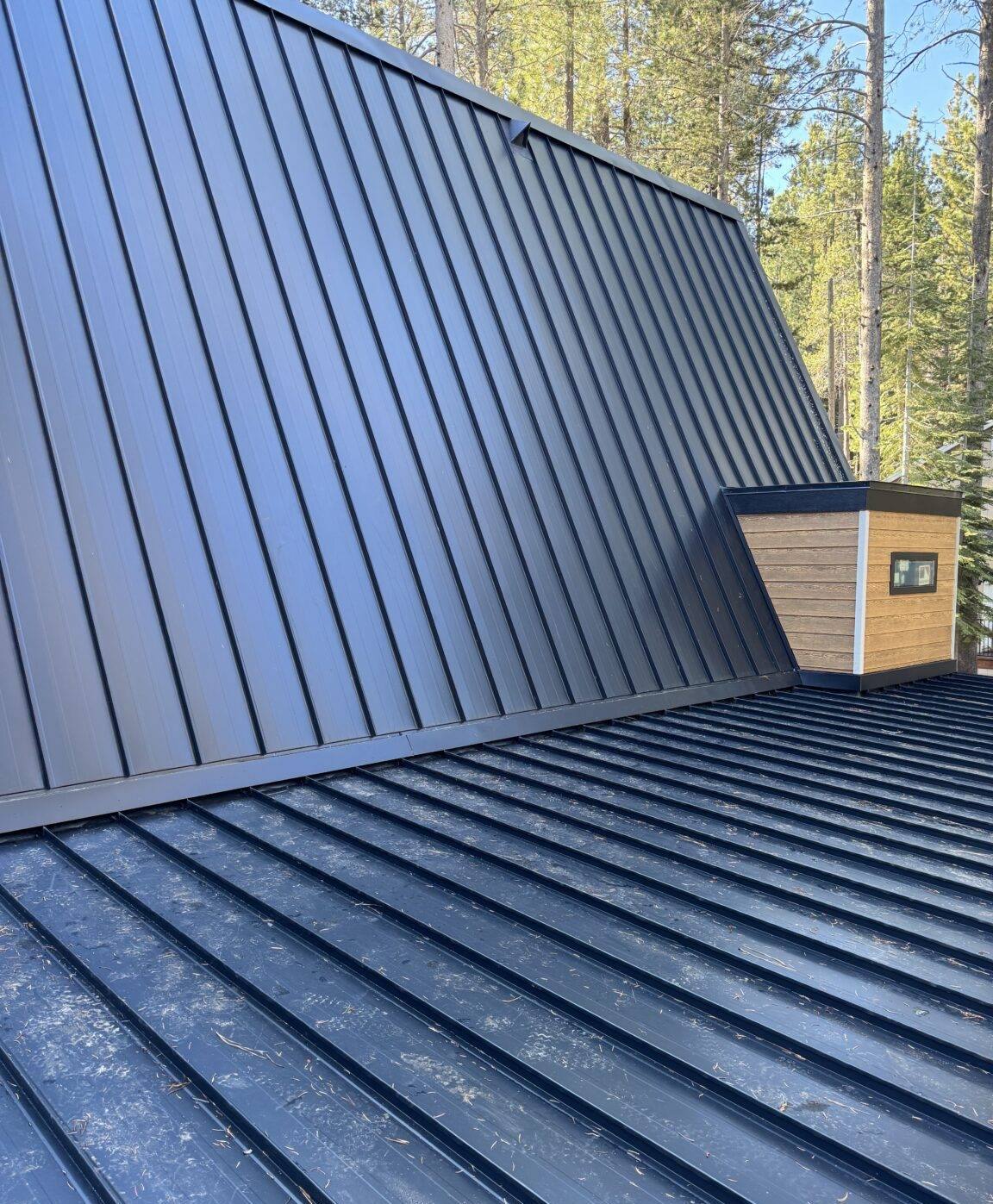
| Standing seam metal | Excellent | Excellent | Low | 40-60 years |
Tile and metal cost more upfront but ask less of you over the decades this climate will test the roof. Architectural shingles remain a solid, budget-conscious choice as long as installation quality and fastening are done correctly — the material itself isn't the weak point, poor installation is.
Our Roof Replacement Process
- On-site inspection and estimate: We walk the roof, check the attic, and give you a straight assessment of what your roof actually needs — replacement, or a more targeted repair.
- Material selection: We go over the tradeoffs for your home and budget so you're choosing based on real information, not sales pressure.
- Permitting: We pull the required permit before work begins, which is standard practice in this jurisdiction and protects you if there's ever a warranty or insurance question later.
- Tear-off and deck inspection: Full removal of old material, with any damaged decking identified and replaced.
- Underlayment, flashing, and installation: Installed to code and to the wind-rating standard required for this area.
- Cleanup and final walkthrough: Job site cleared of debris and nails, and we walk the finished roof with you before calling it done.
- Documentation: You get the paperwork needed for wind mitigation insurance credits and warranty records.
Permits, Wind Mitigation, and Insurance
Roof replacements in this area require a building permit and inspection — that's not paperwork for its own sake, it's what confirms the work meets the wind-rating standards this climate requires. A permitted, code-compliant roof replacement also qualifies you for a new wind mitigation inspection, which can lower your homeowners insurance premium since insurers price risk based on roof age, material, and fastening method.
Skipping the permit to save time or money is a false economy: unpermitted roof work can complicate a future home sale, void manufacturer warranties, and leave you without documentation if you ever need to file a storm damage claim.
Cost Factors to Understand Before You Get Quotes
| Factor | Why It Moves the Price |
|---|---|
| Roof size and pitch | More square footage and steeper slopes both increase labor and material needs |
| Material choice | Asphalt shingle, tile, and metal have significantly different material and labor costs |
| Deck condition | Rotted or damaged sheathing found during tear-off adds repair cost that can't be known until the old roof is off |
| Number of penetrations | Chimneys, skylights, and vents each need individual flashing work |
| Layers of existing roofing | Multiple old layers mean more tear-off labor and disposal |
Full roof replacements on homes in this area commonly range from the high single digits to low five figures depending on the factors above — we won't give you a real number until we've actually seen your roof, because anyone who quotes a firm price sight unseen is guessing.
Why a Crew That Already Works Lakewood Ranch Matters
Roofing code and wind-rating requirements in Sarasota County and the surrounding area aren't the same as what a crew from another region is used to working under. A local crew already knows the permitting process, the inspection expectations, and the wind-rating standard this area requires — which means fewer surprises, fewer callbacks, and a roof that's actually built for what it's going to face here, not for a generic climate.
We also know that HOA communities in this area, Lakewood Ranch included, often have their own architectural guidelines around roofing material and color. Working locally means we're used to navigating that process alongside the county permit, so it doesn't become a delay on your project.
After Installation: What Keeps a New Roof Performing
A correctly installed roof still benefits from basic upkeep in this climate. A short annual routine goes a long way:
- Clear gutters and downspouts before hurricane season so wind-driven rain has somewhere to go
- Trim overhanging branches that can drop debris or scrape the roof surface in high wind
- Have flashing and sealant around chimneys, skylights, and vents checked after any major storm
- Look for granule buildup in gutters or visible shingle damage after severe wind events
- Keep attic ventilation paths (soffit and ridge vents) clear of insulation or debris blockage
None of this replaces a professional inspection, but it catches the small issues before they become the reason for another full replacement ahead of schedule.
If your Lakewood Ranch roof is showing its age or storm wear, we're happy to take a look and give you a straight answer — replacement, repair, or just keep an eye on it. Use the form below to request a free, no-pressure estimate.