 Sarasota Siding
 New-Construction Windows for Laurel Park Homes and Additions
Laurel Park sits close enough to downtown Sarasota and the bay that every building decision has to account for coastal weather, not just curb appeal. Whether you're building an addition onto one of the neighborhood's older bungalows, doing a full teardown-rebuild, or finishing out new construction on an infill lot, the windows going into open framing are one of the few components you genuinely can't fix cheaply later. Get the install wrong and you're looking at water intrusion, stucco cracking, or a failed inspection. Get it right and the windows will outlast most other parts of the build.
This page covers new-construction window installation specifically for Laurel Park — what the climate demands, what a correct install actually involves, and what to look for in a contractor before you sign anything.
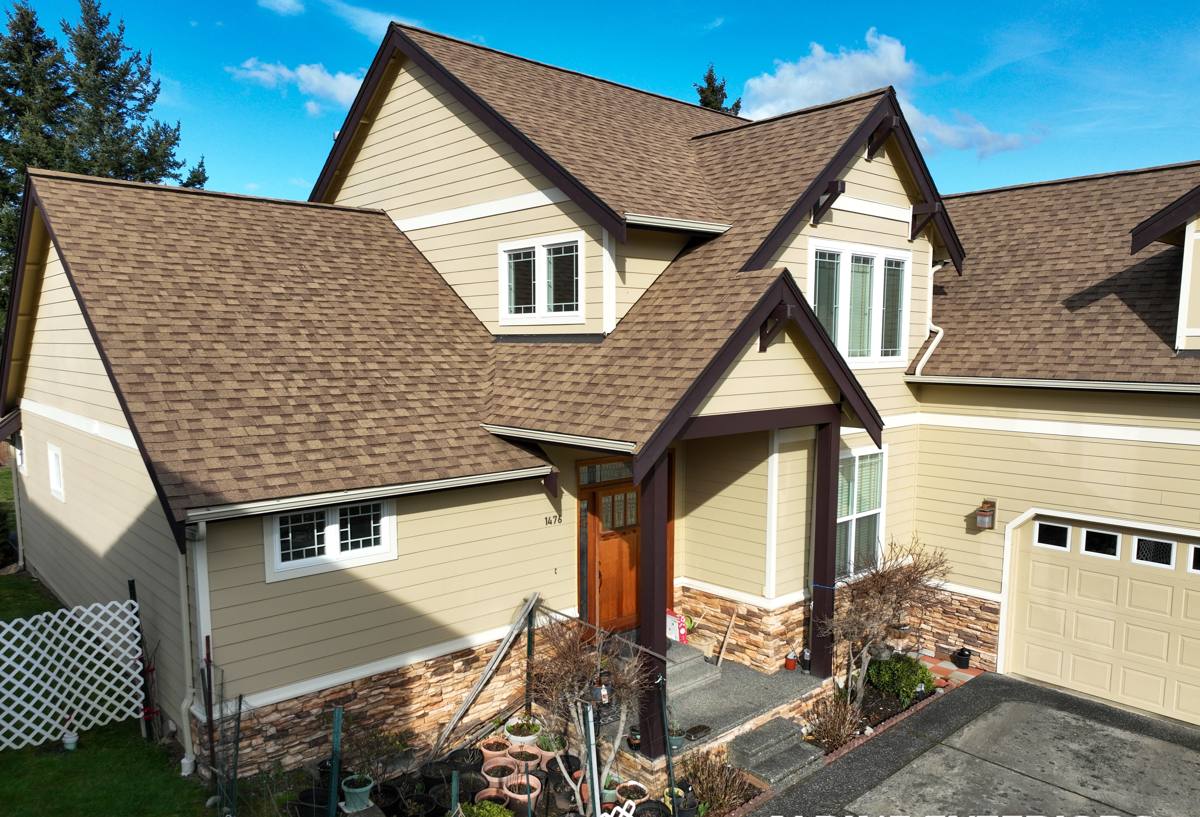
Why Sarasota's Climate Demands More From New-Construction Windows
Sarasota County sits directly on the Gulf, and that proximity shapes everything about how a window has to be built and installed. A handful of conditions matter more here than almost anywhere else in the country:
- Hurricane-force wind: Wind pressure on a window and its surrounding wall assembly isn't hypothetical here — it's a code requirement, and it's the difference between a window that stays put in a storm and one that fails at the frame.
- Wind-driven rain: Rain in a coastal storm doesn't fall straight down — it gets pushed sideways into wall assemblies. A window opening that isn't flashed correctly will leak long before the glass itself is ever tested.
- Year-round UV exposure: Florida sun is intense and constant, not seasonal. Frame materials, sealants, and glass coatings all degrade faster here than in a milder climate if they're not rated for it.
- Salt air: Being this close to the Gulf means airborne salt is a constant, low-grade corrosive presence on hardware, fasteners, and certain metal frame finishes.
None of that is unique to Laurel Park specifically, but it's the baseline every new-construction window in this part of Sarasota County has to be designed and installed around.
New-Construction Windows vs. Replacement Windows: What's Different
These two jobs get lumped together, but they're not the same trade, and the distinction matters a lot when you're framing a Laurel Park addition or new build.
| Factor | New-Construction Window | Replacement Window |
|---|---|---|
| Installation method | Nail-fin unit set into open stud framing before exterior finish goes on | Pocket or full-frame unit installed into an existing finished opening |
| Weatherproofing access | Full access to sill pan, flashing, and water-resistive barrier before it's covered | Limited — existing siding/stucco constrains how much flashing can be redone |
| Best suited for | New builds, additions, teardown-rebuilds | Existing homes where the exterior finish stays intact |
| Long-term water management | Can be integrated directly into the building's drainage plane | Depends on the condition of the original opening |
If you're building an addition or new structure in Laurel Park, you almost always want a new-construction window, not a retrofit-style unit shoehorned into fresh framing. Using the wrong product type for the situation is one of the more common corner-cutting mistakes we see on new builds.
Why This Distinction Matters More on New Construction
Because the wall isn't finished yet, a new-construction install is your one real chance to get the flashing and drainage plane right from the studs out. There's no siding or stucco in the way. Once that exterior finish goes on, the flashing details are hidden for the life of the house — so this is not a stage where you want the least experienced crew on site, or a contractor treating it as an afterthought to the framing schedule.
What a Correct New-Construction Window Install Actually Involves
A window that "looks installed" and a window that's installed correctly can be hard to tell apart until the first bad storm. Here's what actually needs to happen at the rough opening:
- Rough opening check: Confirming the opening is square, plumb, and sized correctly before the window ever gets set — a surprising number of leak problems trace back to a bad opening, not a bad window.
- Sill pan flashing: A sloped, sealed pan at the bottom of the opening so any water that gets past the window sheds outward instead of pooling on the sill and finding its way into the wall.
- Water-resistive barrier integration: The window's flanges have to be woven into the house wrap or building paper in the correct shingle-lap order — head flashing over the WRB, side and sill flashing under it — so water always drains down and out.
- Fastening per the manufacturer's tested installation instructions: Impact-rated windows are only rated as tested — meaning the fastener type, spacing, and pattern used in testing is what has to be followed on site, not a shortcut version.
- Sealant at the right points, not everywhere: Over-sealing a window can trap water inside the wall assembly just as easily as under-sealing lets it in. Sealant belongs at specific joints, not smeared as a catch-all.
- Interior and exterior trim-out that doesn't compromise the flashing work underneath it.
Every one of these steps is inspectable if you know to look for it before the wall closes up — and a good crew won't mind you looking.
Glass, Frame, and Product Considerations
For new construction in this part of Sarasota County, the window itself has to meet Florida Building Code's wind-load and wind-borne debris protection requirements for the site's design pressure and exposure category. That generally means laminated, impact-rated glass or an approved alternative, engineered for the specific wind pressures your address falls under. Beyond code compliance, a few practical choices affect how the window performs over the long run:
| Feature | What It Does | Why It Matters Here |
|---|---|---|
| Impact-rated laminated glass | Resists wind-borne debris impact per code testing | Required for compliance in coastal wind zones; also cuts down on storm-panel labor |
| Low-E coating | Reduces solar heat gain transmitted through the glass | Sarasota's year-round sun drives cooling loads hard; Low-E takes real pressure off the AC |
| Frame material (vinyl, aluminum, fiberglass) | Affects expansion/contraction, corrosion resistance, and maintenance | Salt air and UV are harder on some finishes and fasteners than others over time |
| Argon or other gas fill | Improves insulating performance between panes | Modest energy benefit; more relevant to comfort than to storm performance |
We don't push one frame material as a universal answer — vinyl, aluminum, and fiberglass all have legitimate places depending on the home's style, budget, and how exposed the elevation is. What we do insist on is that whatever's installed carries the impact rating and design pressure your specific opening requires, and that it's installed to the manufacturer's tested method, not a generic approximation of it.
Our Process for Laurel Park New-Construction Projects
New-construction window work has to sync with the framing and dry-in schedule, so timing matters as much as the install itself.
- Plan review and measurement: We review the architectural plans or existing rough openings, confirm sizes, and check that specified units meet the required design pressure for the site.
- Product selection: We walk through frame, glass, and performance options against budget and the home's exposure — a window on an open, wind-exposed elevation may warrant a different spec than one tucked behind other structures.
- Coordination with the framing/dry-in schedule: Windows go in at the right point in the build sequence — after rough opening framing, before or alongside house wrap, ahead of siding or stucco.
- Installation to manufacturer specification: Sill pan, flashing sequence, fastening pattern, and sealant application, done in the tested order.
- Documentation for inspection: Photos and notes on flashing details before they're covered, useful for both the building inspector and your own records.
- Final walk-through: Operation, seal, and trim checked before we consider the job done.
Permitting and Code in Sarasota County
New-construction windows in Sarasota County fall under the Florida Building Code's wind provisions, and the exact requirements depend on your site's wind speed line, exposure category, and whether the structure is within a designated flood or coastal zone. Permitting for new construction and additions typically runs through the City of Sarasota or Sarasota County building department depending on exactly where the property sits. We handle product documentation and installation to meet what the permit requires, but we'd rather you ask us directly about your specific address than rely on a general number here — wind pressure requirements can vary lot to lot depending on exposure and site conditions.
Why a Crew That Already Works Laurel Park Matters
Laurel Park is a mix of older, established homes and newer infill construction, often on tighter lots with mature landscaping and a strong neighborhood character. That mix creates a few practical realities on the ground:
- Additions and new builds often have to work around established trees, tight setbacks, and neighboring structures close by — all of which affect access, staging, and scheduling for a window crew.
- Homes in and around historic and established neighborhoods sometimes carry architectural review requirements on exterior appearance, which can affect frame color and profile choices even when the underlying performance spec is the same.
- A crew that's worked the area knows the general permitting rhythm with the local building department and doesn't lose the first week of a project figuring out the process from scratch.
None of this replaces doing the technical install correctly — flashing and fastening standards don't change by neighborhood. But familiarity with how Laurel Park sites and projects tend to run means fewer scheduling surprises and a smoother handoff between framing, windows, and exterior finish.
What Drives Cost on a New-Construction Window Project
| Cost Factor | Why It Moves the Price |
|---|---|
| Window size and quantity | More glass and more openings means more material and labor, straightforwardly |
| Design pressure rating required | Higher wind-load requirements generally mean heavier glass and frame construction |
| Frame material | Vinyl, aluminum, and fiberglass carry different material and fabrication costs |
| Glass upgrades | Low-E coatings, tinting, or gas fills add incrementally to per-unit cost |
| Site access and scheduling | Tight lots or coordination around other trades can affect labor time |
| Custom shapes or sizes | Non-standard openings require custom-manufactured units instead of stock sizes |
We can give you real numbers once we know the opening sizes, required design pressures, and product tier you're after — broad per-window ranges without that information tend to be more misleading than helpful.
A Quality-Install Checklist for Homeowners and Builders
If you're overseeing a build or addition yourself, here's what's reasonable to ask about or check before the wall closes up:
- Are the windows specified with a design pressure rating that matches your site's wind zone and exposure category?
- Is there a sloped sill pan at every opening, not just a bead of sealant along the bottom?
- Is the flashing sequenced correctly — head flashing over the house wrap, sill and jamb flashing under it?
- Is the fastening pattern following the manufacturer's tested installation instructions, not a generic approximation?
- Will you get photos of the flashing details before siding or stucco covers them?
- Does the installer carry current Florida licensing and insurance for this scope of work?
If a contractor can't answer these plainly, that's worth noticing before the framing gets covered up.
Get a Free, No-Pressure Estimate
If you're framing an addition or new build in Laurel Park and want windows specified and installed to hold up against Sarasota's wind, rain, sun, and salt air, we're happy to take a look at your plans or opening sizes and walk you through the options. The estimate is free, there's no pressure, and you'll get straight answers about what your specific project actually needs — just fill out the form below.