 Sarasota Siding
 Longboat Key's Barrier-Island Climate Puts Real Stress on Siding
Longboat Key sits on a narrow barrier island between Sarasota Bay and the Gulf of Mexico, which means homes here face a combination of stresses that inland Sarasota County properties simply don't see to the same degree. Salt-laden air moves across the island from both directions, settling on exterior surfaces day after day. Add in intense, near-constant UV exposure, wind-driven rain that gets pushed sideways into wall assemblies during storms, and the periodic threat of hurricane-force winds, and you have a siding environment that punishes weak materials and sloppy installation fast.
We install fiber cement siding across Sarasota County, but Longboat Key jobs get treated differently from the start because the exposure is different. A product and installation approach that holds up fine a few miles inland can fail years early on the island if it isn't specified and installed with the coastal conditions in mind.
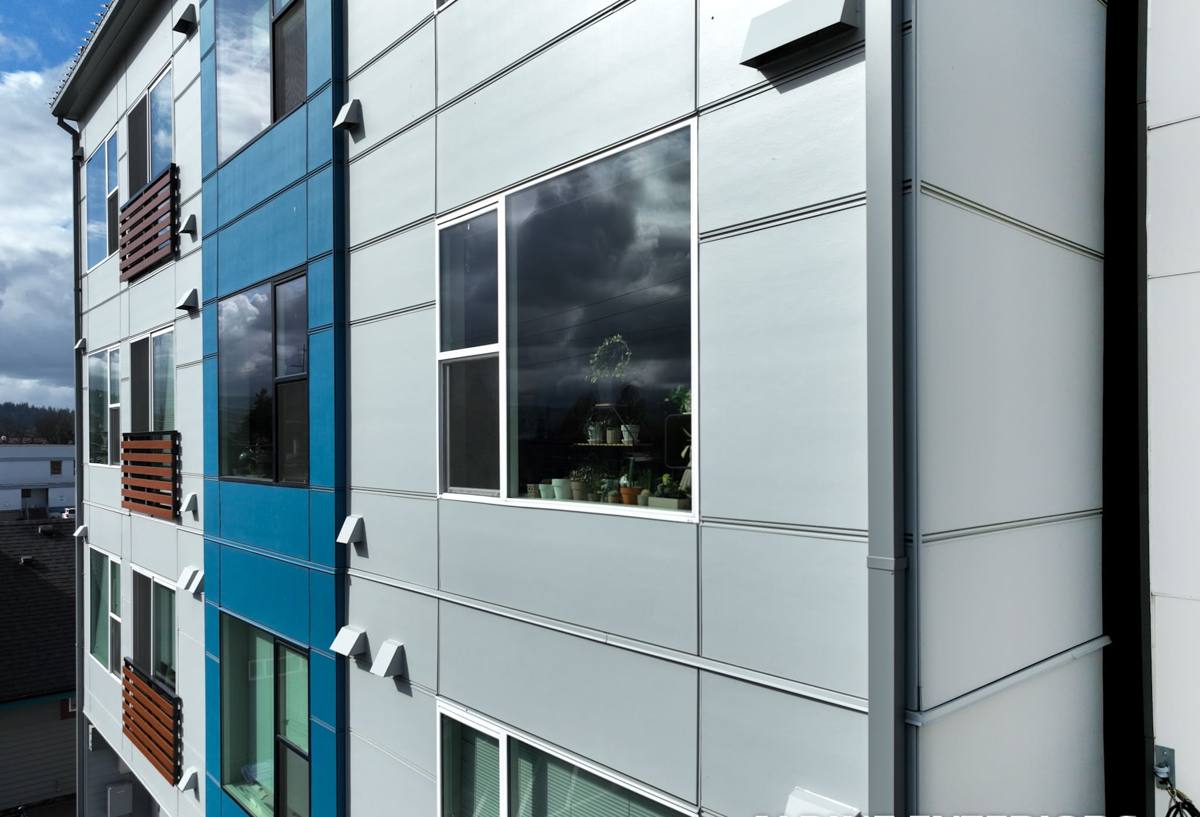
What "Correct" Fiber Cement Installation Actually Requires Here
Fiber cement siding is a durable, non-combustible material, but its long-term performance depends almost entirely on how it's installed. On a barrier island, a few details matter more than they would elsewhere.
Fastener and Flashing Details That Matter on the Coast
Salt air accelerates corrosion on any exposed metal, so fastener selection isn't a place to cut corners. Every flashing point — around windows, doors, roof-to-wall transitions, and penetrations — has to be detailed to shed wind-driven rain rather than trap it behind the cladding. Gaps and joints get caulked with a product rated for continuous UV and salt exposure, and we keep those joints to a minimum by planning panel and board layout before the first piece goes up.
Wind-Load and Attachment Requirements
Sarasota County's building code reflects the region's hurricane exposure, and barrier island properties are held to attachment and fastening schedules that account for higher wind pressures than a typical inland lot. That means correct fastener spacing, proper embedment, and installation that matches the manufacturer's high-wind specifications — not just a generic nailing pattern. Skipping this is one of the most common ways fiber cement siding fails prematurely in a storm.
Humidity and Moisture Behavior Behind the Cladding
It isn't just wind and salt that cause problems on Longboat Key — it's humidity. Gulf Coast air holds moisture almost year-round, and a wall assembly that can't dry out properly will eventually develop rot, mold, or delaminated sheathing behind the siding, whether the cladding itself is holding up or not. Correct installation means the weather barrier, flashing, and siding work together to shed bulk water while still allowing the wall to breathe. Sealing everything up tight without accounting for drying potential is a common mistake that shows up as hidden damage years later.
Why We Only Install James Hardie — and the HZ Product Lines Built for This Exposure
We standardized on James Hardie fiber cement siding and don't install LP SmartSide, vinyl, Cemplank, Allura, or wood products, because Hardie is the only fiber cement system we've found that consistently delivers on both the material science and the manufacturer support a coastal home needs. James Hardie engineers its siding by climate zone, and the HZ5 formulation is built specifically for hot, humid, moisture-heavy regions like the Gulf Coast of Florida. That engineering targets the two things that matter most on Longboat Key: resistance to moisture-related damage and stability in extreme heat and humidity swings.
Fiber cement itself is non-combustible, doesn't attract termites the way wood-based products can, and holds its shape and paint line far better than vinyl in direct, sustained sun. None of that is marketing — it's why the product performs on barrier island homes when the installation is done right.
James Hardie backs its siding with a product warranty, and factory ColorPlus finishes carry a separate finish warranty from the manufacturer. Both are transferable to a new owner within the terms of the warranty, which matters on Longboat Key given how often coastal properties change hands. A warranty is only worth what stands behind it, and part of why we standardized on Hardie is that the manufacturer support behind that warranty is well established, rather than something we have to explain or justify to a homeowner after the fact.
ColorPlus Factory Finish vs Job-Site Paint in Salt Air
Color and finish matter more on Longboat Key than most homeowners expect. A factory-applied ColorPlus finish is baked on and cured under controlled conditions, which gives it better adhesion and UV resistance than a field-applied paint job over raw fiber cement. In an environment with intense year-round sun and salt residue constantly settling on the surface, that difference shows up as less chalking, less fading, and fewer repaint cycles over the life of the siding. It also carries its own finish warranty from the manufacturer, separate from the product warranty on the board itself — something a job-site paint job can't offer.
We default to ColorPlus finishes for Longboat Key projects for this reason, and we'll walk you through the color and texture options during your estimate.
Our Process for a Longboat Key Fiber Cement Project
Every project follows the same core sequence, adjusted for the specifics of your home and its exposure:
- On-site inspection of the existing siding, trim, and substrate, including a check for hidden moisture damage behind the current cladding.
- Removal of the old siding and inspection of the sheathing and weather barrier underneath, repairing or replacing anything compromised before new material goes up.
- Installation of a correctly lapped weather-resistive barrier and flashing at every window, door, and penetration.
- Installation of James Hardie siding and trim to manufacturer spec, with fastener schedules matched to the wind exposure of your specific location on the island.
- Caulking and touch-up at cut edges and joints using coastal-rated sealant.
- Final walk-through so you can see the work up close before we consider the job done.
Because Longboat Key is a barrier island, staging materials and equipment takes more planning than a typical mainland Sarasota job — bridge access, limited parking, and condo or HOA scheduling windows all factor into how we sequence a project. We account for that up front rather than discovering it mid-job.
Sarasota County requires permits and inspections for exterior siding work, and coastal properties can involve additional scrutiny given the wind exposure. We handle that process as part of the job rather than leaving it to the homeowner, and our familiarity with how the county reviews barrier island projects helps keep things moving instead of stalling out in the permitting queue.
Storm season also shapes scheduling on the island. We plan Longboat Key projects with an eye on the calendar, sequencing work to avoid leaving a home exposed mid-project during the highest-risk months whenever possible, and being ready to move quickly on repairs when storm damage does happen.
What Affects the Cost of a Longboat Key Siding Job
Every home is different, but these are the factors that most often move the price up or down on island projects specifically:
| Factor | Why It Matters on Longboat Key | Typical Impact on Cost |
|---|---|---|
| Substrate condition | Salt air and past wind-driven rain intrusion can hide moisture damage behind old siding | Can add repair costs found once tear-off begins |
| Home elevation and access | Many coastal homes are elevated or have limited-access sides facing the water | Affects staging, scaffolding, and labor time |
| Fastener and flashing spec | Salt exposure requires corrosion-resistant fasteners and more careful flashing detail | Modest increase over standard inland spec |
| Trim and architectural detail | Coastal homes often have more corners, transitions, and trim profiles | More labor and material per square foot |
| ColorPlus finish and profile choice | Factory finish and certain textures/profiles carry different material costs | Varies by product line selected |
| Site logistics | Bridge access, condo/HOA scheduling, and limited staging space | Can affect scheduling and project timeline |
We walk through each of these during a site visit and give you a straightforward, itemized estimate rather than a vague ballpark.
Why Hiring a Crew That Already Works Longboat Key Matters
Barrier island projects have a learning curve that shows up fast if a crew hasn't worked one before. Getting materials and equipment onto the island, working around a single bridge as the main access point, coordinating with condo associations or HOA architectural review processes, and understanding how a specific stretch of Longboat Key handles wind and rain exposure differently than the next — all of that comes from experience, not a manufacturer's install manual.
A crew that already works this area also understands how Sarasota County's permitting and inspection process applies to coastal properties, so there are fewer surprises and delays once work starts. That familiarity translates directly into a smoother project and a finished product that's actually built for where it's going, not just built to a generic spec sheet.
Maintenance Checklist for Longboat Key Homeowners
Correctly installed James Hardie siding is low-maintenance, but "low-maintenance" isn't "no-maintenance" in a salt-air environment. A little attention goes a long way toward protecting the finish and the warranty:
- Rinse salt residue off exterior siding periodically, especially on sides facing the water directly.
- Inspect caulked joints around windows, doors, and trim once a year for cracking or separation.
- Watch for chalking or dulling of the finish, which can signal it's time for a professional inspection.
- Check exposed fastener heads and metal trim accessories for early signs of corrosion.
- Keep landscaping trimmed back from siding so moisture and debris don't sit against the surface.
- After any major storm, walk the exterior and look for cracked boards, lifted trim, or damaged flashing.
Catching small issues early is far cheaper than dealing with moisture damage that's had years to spread behind the cladding.
Ready to Talk About Your Home
If your Longboat Key home's siding is showing its age, or you're planning ahead of the next storm season, we're happy to take a look and give you an honest read on what it needs. Reach out for a free, no-pressure estimate — we'll walk the exterior with you, explain what we find, and lay out your options in plain terms.