 Sarasota Siding
 New-Construction Windows in Nokomis: What "New Construction" Actually Means
When people say "new-construction windows," they're talking about a specific installation method, not just a window that happens to be new. New-construction windows have a nailing fin (or flange) around the frame that gets fastened directly to the wall sheathing before the exterior finish — stucco, siding, or brick — goes on. That's different from a replacement or "pocket" window, which is designed to slide into an existing frame with the exterior finish already in place around it.
If you're building a new home or an addition in Nokomis, or you're a builder or GC looking for a window crew who knows this end of Sarasota County, this page is about doing that nail-fin installation correctly the first time — because once the stucco or siding closes in around a bad install, the mistakes are hidden and expensive to fix.
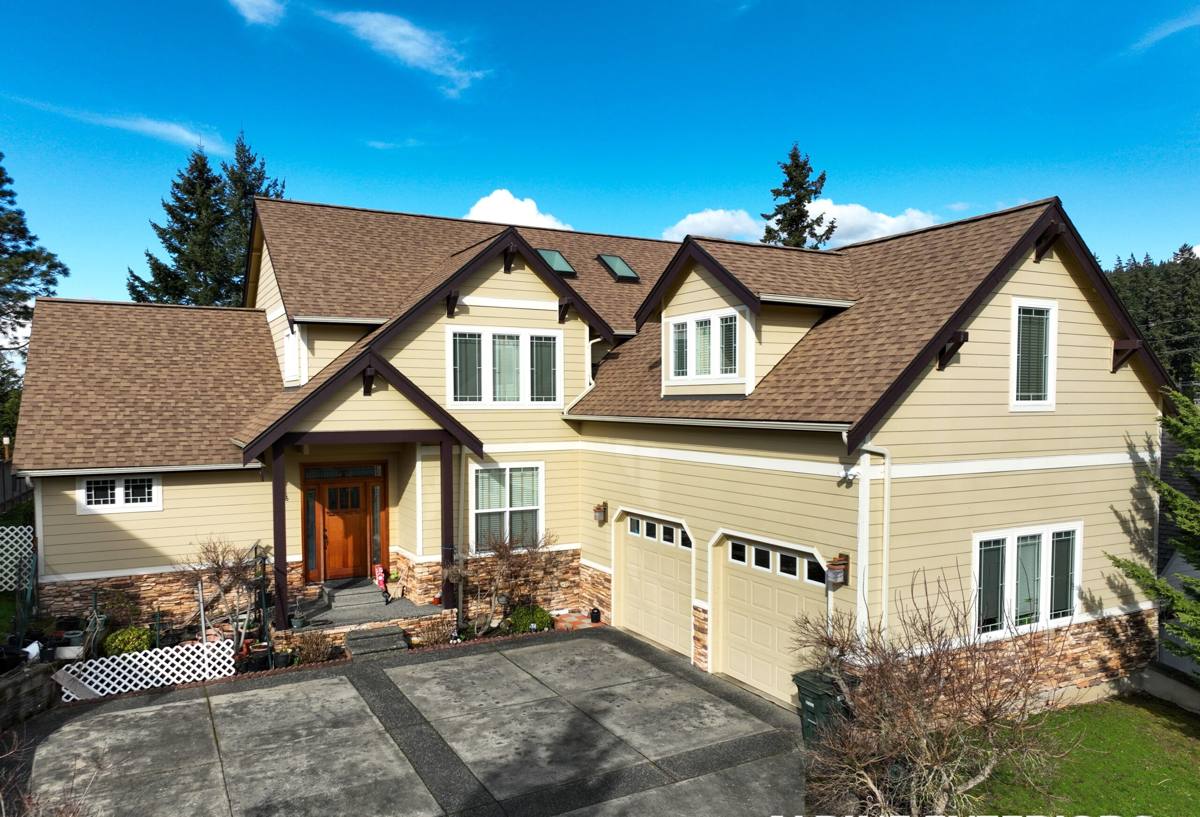
Why Nokomis Homes Need More From Their Windows
Nokomis sits on the Gulf coast in Sarasota County, and that location shapes what a window has to survive here. A few things stack up against a house in this part of Florida that don't apply the same way further inland:
- Hurricane-force wind and wind-borne debris. New construction here has to meet Florida Building Code wind pressure requirements for the site's wind zone, and in many Sarasota County locations that means impact-rated glass or approved shutters, plus fasteners and anchoring specified to hold under load.
- Wind-driven rain. It's not just about the glass — a storm can drive rain sideways into any gap in the flashing or sealant around the frame. A window can be rated for high wind and still leak if the water management around it wasn't installed correctly.
- Intense, year-round UV. Florida sun is hard on vinyl, seals, and low-E coatings. Cheaper glass packages and low-grade vinyl frames break down faster here than they would in a milder climate, showing up as yellowing, warping, or seal failure years before they should.
- Salt air. Being close to the Gulf means airborne salt corrodes hardware and fasteners faster than inland construction. Frame material and hardware finish matter more here than a builder spec sheet from a non-coastal market would suggest.
None of this means a Nokomis home needs exotic materials. It means the window package and the installation details have to be chosen and executed with this specific climate in mind, not treated the same as a build in a low-wind, low-humidity market.
What Correct New-Construction Window Installation Involves
The window itself is only part of the job. Most leaks and failures we get called to diagnose in coastal Florida homes trace back to the installation details around the window, not a defective unit. A correct new-construction install includes:
Sill Pan and Flashing
A sloped sill pan under the rough opening gives any water that gets past the window a way out instead of a place to sit. Flashing tape integrates with the weather-resistant barrier (WRB) in the correct shingle-lap order — top piece over the side pieces, side pieces over the sill pan — so water is always directed outward and down, never trapped behind the wall finish.
Fastening to Meet Wind Load
The fastener type, spacing, and embedment into structural framing all have to match what the window's product approval and the site's design pressure require. This isn't a place to eyeball it — it's engineered, and it's inspected.
Sealant, Not Just Caulk
The right sealant at the right joints, applied to a clean and properly prepped surface, is what keeps wind-driven rain out over the long run. Sealant is also one of the first things to fail if it's applied over dust, over old caulk, or in the wrong bead size.
Compatible Materials
Flashing tape, sealant, and the WRB all need to be chemically compatible with each other and with the window frame material. Mixing incompatible products is a common, hidden cause of adhesion failure that doesn't show up until the first bad storm season.
Choosing the Right Window for a Nokomis Build
Frame and glass choice affects both day-one performance and how the window holds up over 10-20 years of Gulf coast exposure. Here's how the common options stack up for a coastal Sarasota County build:
| Option | Wind/Impact Performance | Salt Air Durability | Trade-offs |
|---|---|---|---|
| Impact-rated vinyl | Meets HVHZ/wind zone requirements with laminated glass; no shutters needed | Good — vinyl doesn't corrode, quality UV-stabilized formulations hold up well | Frame strength depends on manufacturer quality; cheap vinyl can warp in high heat |
| Impact-rated aluminum | Strong frame-to-glass structural performance, common on larger openings | Requires marine-grade or properly finished hardware to resist corrosion near the coast | Higher cost; thermal performance generally behind vinyl unless thermally broken |
| Non-impact glass + shutters | Meets code with approved shutter system in place before a storm | Shutter hardware itself is exposed to salt air and needs maintenance | Requires homeowner action before every storm; added long-term maintenance burden |
| Laminated Low-E glass packages | Combines impact resistance with UV/heat control | N/A (glass, not frame) — but coating quality affects long-term clarity | Best all-around energy performance for year-round Florida sun; higher upfront cost |
For most new construction in Nokomis, we steer homeowners and builders toward impact-rated glass over relying on shutters. It's a maintenance and convenience trade-off as much as a cost one — impact glass is there and doing its job in the exact moment a storm hits, whether or not anyone had time to put shutters up.
Our Process for New-Construction Window Installs
On a new build or addition, window installation has to land at the right point in the construction sequence — too early and the opening isn't ready, too late and it holds up the rest of the exterior finish. Our process:
- Rough opening check. We verify every opening is square, plumb, and sized correctly against the approved window schedule before anything gets installed.
- Sill pan and flashing installation. Sloped pan, then flashing tape integrated with the WRB in the correct lap sequence.
- Window set and fastening. Units are set, shimmed level and plumb, and fastened per the product's engineering to meet the site's wind load requirements.
- Sealant and final flashing. Exterior sealant joints are completed once the window is fastened and checked.
- Documentation for inspection. We leave the install ready for the building department's inspection point, with product approval labels intact and visible.
We coordinate directly with the general contractor or builder's schedule, since window install timing affects the dry-in and exterior finish trades that follow.
Permitting and Inspections in Sarasota County
New-construction windows in Sarasota County are part of the building permit for the structure and go through inspection as part of that process. The county enforces Florida Building Code wind design pressure requirements for the site's location, and installers are expected to use products with valid product approvals (NOA or FBC statewide approval) matched to the design pressure the opening requires. We handle window installation to meet those inspection points — that part of the job doesn't get skipped or shortcut, because a failed inspection costs the whole build schedule, not just the window line item.
A Checklist for Anyone Vetting a New-Construction Window Install
Whether you're a homeowner working with a builder or a GC bringing in a window sub, these are worth confirming before the windows go in:
- Product approval labels match the wind design pressure required for the specific opening, not just a generic "impact rated" claim
- A written sill pan and flashing sequence, not just "we'll caulk it"
- Fastener type and spacing specified in writing, matched to the product's installation instructions
- Sealant compatibility with the WRB and flashing tape confirmed, not assumed
- A plan for who schedules and stands for the inspection
- Frame material and hardware finish appropriate for coastal salt exposure
What Drives the Cost
| Factor | Why It Matters |
|---|---|
| Window size and count | Larger openings and more units mean more material and labor hours, straightforward scaling |
| Impact glass vs. shutter system | Impact glass costs more per unit upfront but removes the ongoing shutter labor and hardware maintenance |
| Frame material | Vinyl is typically the lower-cost option; aluminum and larger structural openings run higher |
| Site wind design pressure | Higher required pressure ratings can mean fewer product options and higher unit cost |
| Access and building stage | Coordinating around a live construction schedule vs. an open, framed structure affects labor efficiency |
We don't quote a new-construction window package without seeing the plans and the site's wind design pressure requirement — those two things drive most of the real cost, more than brand name does.
Why Hire a Crew That Already Works Nokomis
Window installation standards aren't the same everywhere in Florida. A crew that mostly works inland, lower wind-zone jobs can do fine work there and still miss details that matter on a coastal Sarasota County build — sill pan slope, salt-resistant hardware choices, flashing sequences suited to wind-driven rain, and the specific product approvals tied to this area's design pressures. We work new construction in Nokomis and the surrounding Sarasota County coast regularly, so those details aren't a special case for us — they're the baseline on every job.
If you're planning a new build, an addition, or you're a builder looking for a window sub who knows this stretch of the Gulf coast, we're happy to walk the plans with you and give you a straight, no-pressure estimate. There's a form below to get that started.