 Sarasota Siding
 Siding Replacement for Nokomis Homes: What the Coast Demands
Nokomis sits in Sarasota County along the Gulf Coast, close enough to open water that salt-laden air, wind-driven rain, and heavy UV exposure are part of daily life for every exterior surface on a house. Homes here take a different kind of beating than homes twenty miles inland. Siding that would last two or three decades in a drier, calmer climate can fail early here if it wasn't built or installed with this environment in mind. When we talk about siding replacement in Nokomis, we're not just talking about swapping old boards for new ones — we're talking about correcting for wind uplift, moisture intrusion, and slow material breakdown from sun and salt, all at once.
That combination is why we treat siding replacement as a system-level job, not a cosmetic one. The material matters, but so does the water management behind it, the fastening pattern, and the flashing details around every window, door, and roofline transition. Get any one of those wrong and the rest doesn't matter.
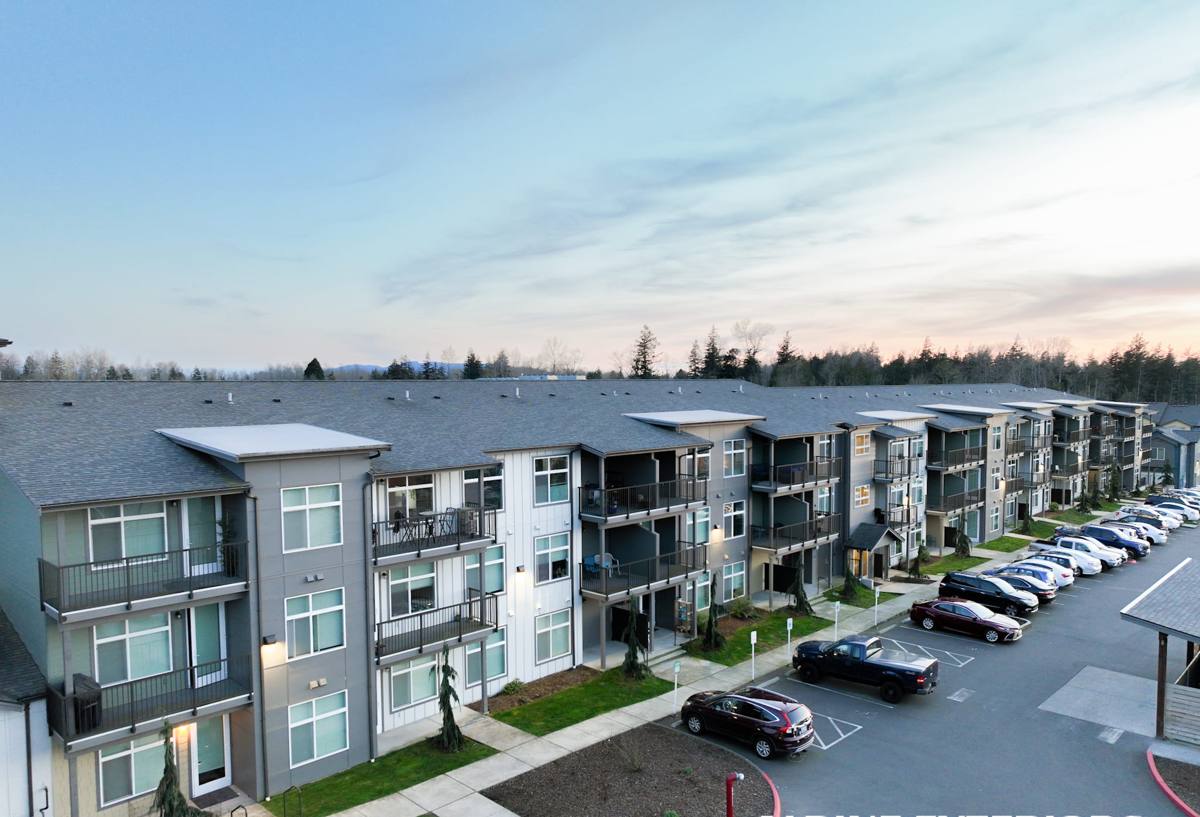
Why Local Climate Conditions Push Siding to Fail Early
Hurricane-Force Wind and Wind-Driven Rain
Sarasota County sits inside Florida's wind-borne debris region, which means siding, fasteners, and the water-resistive barrier behind them all need to hold up under sustained high wind and the driving rain that comes with it. Wind doesn't just tear at loose or poorly fastened siding — it forces rain sideways and upward, past laps and seams that were never designed to shed water from that angle. If the underlying moisture barrier and flashing weren't installed correctly, water finds its way behind the siding long before any damage is visible from the street.
Intense, Year-Round UV
Florida sun is relentless on painted and coated surfaces. Field-applied paint jobs — common on wood and some engineered siding — chalk, fade, and crack faster here than almost anywhere else in the country. UV breaks down the resins in ordinary paint, and once that finish starts failing, the substrate underneath is exposed to moisture with nothing left to protect it.
Salt Air and Corrosion
Even a few miles from the Gulf, airborne salt accelerates corrosion on fasteners, flashing, and trim. Standard fasteners can start rusting years before the siding itself shows wear, and once fasteners fail, the siding they're holding starts moving — which opens gaps for water and pulls the whole assembly loose in high wind.
Signs Your Nokomis Home Is Ready for Siding Replacement
Some warning signs are obvious; others take a trained eye to catch before they turn into structural problems. Homeowners in this area should watch for:
- Soft or spongy spots when you press on the siding, especially near the bottom courses and around window sills
- Visible cracking, splitting, or buckling boards, particularly on walls that face prevailing wind and rain
- Paint that's chalking heavily, peeling, or has faded unevenly across different wall exposures
- Rust streaks running down from fasteners or trim pieces
- Gaps opening up at seams, corners, or where siding meets window and door trim
- A musty smell or visible staining on interior walls that back up to exterior siding
- Siding that flexes or rattles in wind, a sign fasteners have loosened
Any one of these can be an isolated repair. Several at once, especially on an older home, usually means the whole assembly — siding, barrier, and flashing — has reached the end of its useful life together.
What a Correct Siding Replacement Job Actually Involves
A siding replacement done right is mostly about what happens before the new siding ever goes up. The visible finish is the last five percent of the job.
Full Tear-Off and Sheathing Inspection
We remove the old siding completely rather than installing over it. That's the only way to actually see the sheathing underneath — and in a coastal climate, hidden rot or moisture damage behind failed siding is common enough that skipping this step is a real gamble. Any compromised sheathing gets replaced before anything else happens.
Weather-Resistive Barrier
A continuous, correctly lapped water-resistive barrier goes over the sheathing. This is the layer that actually stops bulk water if wind-driven rain gets past the siding — the siding itself is the first line of defense, not the only one.
Flashing at Every Penetration
Windows, doors, hose bibs, vents, and roof-to-wall transitions all need proper flashing integrated with the barrier, not caulk applied after the fact. Caulk is a maintenance item; flashing is the actual water management system, and it's where most siding failures in this region actually start.
Fastening to Spec
Fastener type, length, and spacing all matter for wind performance, and they're not optional details — they're what keeps siding attached during a real storm rather than in a lab test. We use fasteners rated for coastal exposure and follow manufacturer fastening schedules, not shortcuts.
Trim and Finish Details
Corners, trim boards, and caulk joints get finished so water sheds away from the wall at every transition, not just across the flat field of siding.
Comparing Siding Options for a Coastal Sarasota County Home
Homeowners researching replacement options in this area usually run into the same handful of materials. Here's how they actually compare under Nokomis conditions:
| Material | UV / Fade Resistance | Moisture Behavior | Wind Performance | Long-Term Maintenance |
|---|---|---|---|---|
| Vinyl siding | Can fade and become brittle under sustained Florida UV | Doesn't absorb water, but can warp or buckle in extreme heat and wind flex | Lighter panels more prone to wind uplift damage in high gusts | Low upkeep, but cracks and gaps are common repair callbacks over time |
| Wood or primed spruce | Poor without diligent repainting; UV breaks down finishes quickly | Absorbs moisture readily; highest rot risk in humid, wind-driven-rain climates | Adequate if installed to spec, but moisture damage weakens fastening over time | Highest — regular repainting and rot inspection required |
| Engineered wood (e.g. LP SmartSide) | Better than raw wood but still relies on field-applied or factory coatings | Engineered to resist moisture better than wood, but edge sealing is critical and installation-sensitive | Good when installed correctly | Moderate — edge maintenance and caulking matter more in coastal exposure |
| James Hardie fiber cement | ColorPlus factory finish is baked on and engineered for high-UV, hot-humid climates | Fiber cement doesn't rot; correctly installed and caulked, it resists moisture intrusion well | Rated and tested for high-wind installation when fastened to spec | Low — no repainting cycle needed for the life of the ColorPlus finish warranty |
Every material on that list can be installed acceptably. The difference in a climate like this shows up over years, not on install day — in how the finish holds up to UV, how the material handles the moisture that inevitably gets driven at it, and how forgiving it is of the small installation imperfections that happen on every job.
Why We Install Only James Hardie Fiber Cement
We don't install vinyl, LP SmartSide, Cemplank, Allura, primed spruce, or cedar. That's not a knock on any single one of those products in isolation — most of them perform reasonably well when installed correctly in the right climate. It's that after years of servicing homes in this exact environment, James Hardie's fiber cement system has been the most consistent performer against the specific combination of hurricane wind, UV, and salt air that Nokomis homes face.
Hardie's siding is engineered for their HZ10 climate zone rating, which covers hot, humid, high-UV regions like the Gulf Coast — it's not a one-size-fits-all product retrofitted for Florida. The ColorPlus factory finish is baked on under controlled conditions rather than applied on-site, so it holds color and resists fading and chalking far longer than field-applied paint. Fiber cement is non-combustible, doesn't provide a food source for pests, and doesn't rot the way wood-based products can when moisture gets past a seam. The warranty backing it is transferable, which matters to homeowners who plan to sell.
None of that means Hardie is maintenance-free or installation-proof — fiber cement still depends entirely on correct fastening, proper caulking at joints, and the water management details described above. The product gives you a strong foundation; the installation determines whether that foundation actually performs for 30-plus years or fails in year eight because of a shortcut.
Our Process, Start to Finish
- Free on-site assessment — we walk the exterior, check for hidden moisture or sheathing damage, and measure exposure on each wall face
- Written estimate — material, labor, and scope spelled out, no vague allowances
- Permitting — pulled through Sarasota County before work starts, not after
- Tear-off and inspection — old siding removed, sheathing checked and repaired as needed
- Barrier and flashing installation — the water management layer that does the real work
- Hardie siding installation — fastened to manufacturer spec for this wind zone
- Trim, caulking, and final detailing — every transition sealed and finished
- Final walk-through — so you know exactly what was done and why
Why Hiring a Crew That Already Works Nokomis Matters
Siding installation isn't uniform across the country, and it shouldn't be. A crew that mostly works in drier, calmer climates may install to a generic standard that technically meets code but doesn't account for what Sarasota County wind and rain actually do to a wall assembly over time. A crew that already works this area knows the local permitting process, understands the wind requirements the Florida Building Code applies to this region, and has seen firsthand which installation shortcuts show up as callbacks two or three years later.
That local experience shows up in small decisions that matter: which fastener spacing to actually use rather than the bare minimum, how much lap to leave at seams facing prevailing wind, and where extra flashing attention is worth the time even when it's not strictly required. Those decisions are hard to specify in a generic contract, and they're exactly where an out-of-area or inexperienced crew tends to cut corners without realizing it.
Maintenance After Replacement in a Coastal Climate
Even the right material and a correct install benefit from basic upkeep in this environment:
- Rinse salt residue off exterior walls periodically, especially on Gulf-facing elevations
- Inspect caulk joints at trim and penetrations annually, and recaulk before gaps become water paths
- Check fastener heads and trim for early rust or corrosion, particularly after a storm season
- Keep gutters and downspouts clear so water isn't sheeting down wall surfaces
- Trim vegetation back from siding to maintain airflow and reduce trapped moisture
None of this is heavy maintenance — it's the kind of seasonal check that catches a small issue before it becomes a repair.
Get a Straight Answer on Your Nokomis Home
If your siding is showing wear, or you just want an honest read on whether repair or full replacement makes more sense for your home, we're glad to take a look. Fill out the form below for a free, no-pressure estimate — we'll walk the exterior, tell you what we actually see, and explain your options in plain terms.