 Sarasota Siding
 Roofing in Osprey Isn't the Same as Roofing Inland
Osprey sits on the Gulf Coast in Sarasota County, sandwiched between open water, the Intracoastal, and a lot of direct sun. That combination is hard on a roof in ways that homeowners who move here from other parts of the country don't always expect. It's not just "it's hot" or "it storms sometimes" — it's the specific, repeated stress of salt-laden air, intense year-round UV, and wind-driven rain that finds every weak seam in a roofing system.
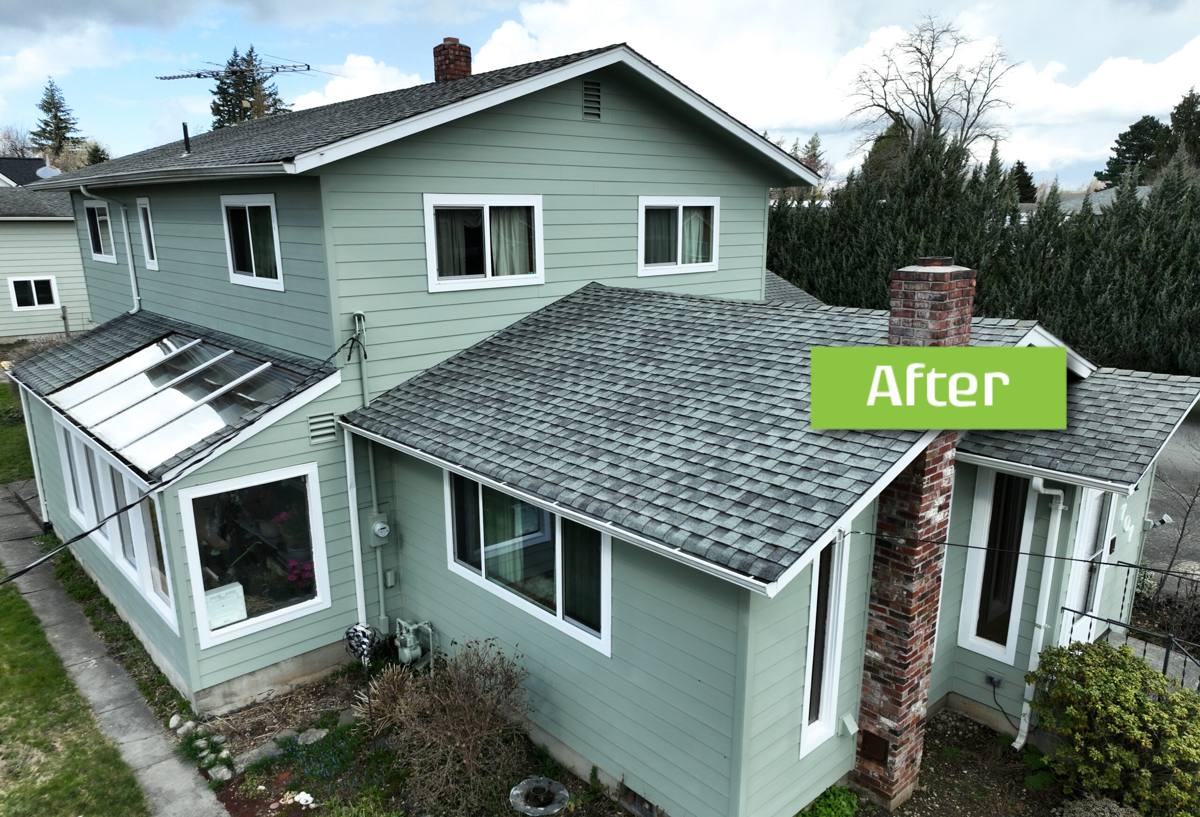
An asphalt shingle roof that's installed correctly for this environment will hold up for decades. One that's installed the way you'd install it in, say, Ohio — with the same nailing pattern, the same underlayment, the same ventilation assumptions — will show granule loss, curling, and leaks years before it should. The difference is almost never the shingle brand. It's the installation.
What This Climate Actually Does to a Shingle Roof
UV and Heat
Sarasota County gets strong, direct sun essentially year-round. Asphalt shingles are petroleum-based products, and constant UV exposure dries out the asphalt binder over time. That's what causes granule loss and the brittle, curling edges you see on older roofs — the shingle isn't rotting, it's cooking. Roof surface temperatures on a summer afternoon here regularly run well above the surrounding air temperature, which accelerates that aging process compared to shadier, cooler climates.
Wind
Osprey is close enough to open water that wind load is a real design factor, not an afterthought. Every hurricane season brings the possibility of sustained high winds and gusts capable of lifting improperly fastened shingles. The failure point is almost always the same: not enough nails, nails placed in the wrong spot on the shingle, or a starter strip and hip/ridge detail that wasn't sealed properly. A shingle roof doesn't need to be exotic to survive wind — it needs to be fastened correctly, every course, every time.
Wind-Driven Rain
Florida storms rarely fall straight down. Wind-driven rain gets pushed sideways and upward under shingle edges, around penetrations, and into any gap in flashing. This is why underlayment quality and flashing detail work matter as much as the shingle itself — the shingle is the first line of defense, but the underlayment and flashing are what actually keep water out once wind forces it past that first layer.
Salt Air
Being close to the coast means airborne salt settles on every exterior surface, including the roof. Salt accelerates corrosion on exposed metal — nail heads, flashing, vent stacks, and drip edge — which is why fastener and flashing material choice matters more here than it would forty miles inland.
What a Correctly Installed Shingle Roof Looks Like Here
"Correct" isn't just about following the shingle manufacturer's instructions in a general sense — it means adapting the install to the specific stresses above. On every Osprey roof we work on, that means:
- A wind-rated underlayment installed with the correct overlap and fastening pattern, not just stapled down quickly
- Nailing that follows the manufacturer's high-wind nailing pattern (typically six nails per shingle in coastal wind zones, placed in the designated nail line — not the standard four-nail pattern used in lower-wind regions)
- Starter strips with factory adhesive at all eaves and rakes, since this is where wind first gets underneath a shingle edge
- Properly lapped and sealed flashing at every roof-to-wall transition, valley, and penetration (plumbing stacks, vents, skylights)
- Corrosion-resistant fasteners and flashing metal suited to a salt-air environment
- Balanced intake and exhaust ventilation, sized to the attic, not just "a ridge vent because that's standard"
Skip any one of these and the roof may still look fine on installation day. The problems show up two, five, or ten years later — usually as a leak that seems to come from nowhere, or shingles that lift in a storm that shouldn't have caused damage.
Choosing a Shingle for a Coastal Sarasota County Home
Not every asphalt shingle product is built for the same conditions. Here's how the common options compare for a home in Osprey's environment:
| Shingle Type | Typical Wind Rating | How It Holds Up Here |
|---|---|---|
| 3-tab shingles | Lower (often 60-70 mph) | Lightest option; generally not what we recommend this close to the coast given local wind exposure |
| Standard architectural (laminate) | 110-130 mph range | Good balance of cost, durability, and wind performance for most Osprey homes |
| High-wind / impact-rated architectural | 130-150+ mph range | Heavier laminate construction, better resistance to wind uplift and debris impact; often qualifies for insurance credits |
Wind ratings on the packaging assume the shingle is installed with the fastening pattern and accessories the rating was tested with. A high-wind-rated shingle installed with a standard nailing pattern doesn't actually perform at its rated wind speed — this is one of the most common corners cut in fast, low-bid roofing jobs.
Signs Your Osprey Roof May Need Attention
Shingle roofs fail gradually, and a lot of the early warning signs are easy to miss from the ground. Worth checking, or having checked, if your roof is more than a decade old or you've been through a storm recently:
- Granules collecting in gutters or at downspout discharge points
- Shingles that look curled, cupped, or have visibly lifted edges
- Dark streaking or a consistently darker patch on one section of roof (often algae or moisture retention)
- Soft spots when walked, or visible sagging along a roof plane
- Rusty streaking around vent stacks or flashing
- Daylight visible through the attic roof deck
- Water stains on interior ceilings, especially after wind-driven rain rather than straight-down rain
Any one of these on its own isn't necessarily an emergency, but they're worth a professional look before the next storm season rather than after a leak shows up on your ceiling.
How We Handle an Osprey Shingle Roofing Project
Inspection and Estimate
We start with a full roof and attic inspection — not just a walk around the yard looking up. That includes checking the deck condition, existing ventilation, flashing details, and the general wear pattern, since a roof's sun and wind exposure varies depending on which direction it faces. We give you a written estimate with the actual scope, not a vague number.
Tear-Off and Deck Check
For a full replacement, we remove existing roofing down to the deck rather than layering over old shingles. That lets us actually inspect the plywood or OSB underneath for soft spots or water damage that would otherwise get sealed in and hidden under a new layer of shingles.
Underlayment and Flashing
This is where most of the long-term performance of the roof actually gets decided. We install underlayment rated for wind-driven rain exposure and rebuild flashing at valleys, walls, and penetrations rather than reusing old, corroded flashing to save time.
Shingle Installation
Shingles go down with the nailing pattern appropriate for coastal wind exposure, starter strips at all edges, and manufacturer-specified hip and ridge components — not generic cut-down shingle pieces.
Final Walkthrough
We walk the finished roof and go over what was done, what the ventilation setup is, and what maintenance (if any) the specific shingle product calls for.
Wind Rating, Code, and Insurance Considerations
Homes in Sarasota County fall within Florida's wind-borne debris region, which means roofing materials and installation methods have to meet Florida Building Code wind and moisture requirements for this area — these aren't optional upgrades, they're the baseline. Beyond meeting code, a lot of homeowners in Osprey ask about insurance impact. Higher wind-rated shingles and certain installation details (like secondary water barriers) can sometimes qualify a home for wind mitigation credits, which is worth discussing with your insurance agent once the roof work is planned. We're glad to provide documentation of the materials and methods used for that purpose — we just don't make specific promises about your premium, since that's between you and your carrier.
Ventilation and Moisture: The Part That Gets Skipped
A shingle roof isn't just the outer layer — it's part of a system that includes the attic below it. Poor ventilation traps heat and humidity under the roof deck, which shortens shingle life from underneath and can lead to deck rot that isn't visible from outside. In a hot, humid climate like Sarasota County's, balanced intake (usually at the soffit) and exhaust (ridge or other vents) isn't a nice-to-have — it's part of what makes the shingle warranty valid and the roof last its expected lifespan. We check and correct ventilation as part of every full roof replacement, not as an optional add-on.
Why Hiring a Crew That Already Works in Osprey Matters
Roofing crews that work Sarasota County's coastal communities regularly know which details matter here and which corners get cut on lower-bid jobs from crews unfamiliar with this exposure. That shows up in things like fastener choice, nailing pattern, and flashing quality — decisions that aren't visible on the surface but determine whether the roof is still doing its job in a storm five or ten years from now. It also means faster response after a storm, since we're not driving in from another county to assess damage or handle a repair.
Caring for Your Roof After Installation
A correctly installed shingle roof in this climate is largely maintenance-free, but a few simple habits extend its life:
- Keep gutters clear so water isn't backing up under the eave edge
- Trim overhanging branches that drop debris or hold moisture against the roof
- After major storms, do a visual check (from the ground or have us look) for lifted or missing shingles
- Address any interior ceiling staining promptly rather than waiting to see if it happens again
If you're planning a new roof, dealing with storm damage, or just want an honest read on how much life your current roof has left, we're happy to take a look. Estimates are free and there's no pressure to move forward — just a straight answer on what your roof needs and why.