 Sarasota Siding
 Board & Batten Siding Built for Osprey's Coastal Conditions
Board and batten is one of the most requested siding styles in Osprey, and it's easy to see why. The vertical lines, deep shadow reveals, and clean, tailored look suit everything from a Florida cracker-style cottage to a modern coastal build near Little Sarasota Bay. But the same qualities that make board and batten look great can also make it a liability if it's built with the wrong material or installed by a crew that doesn't understand what this stretch of Sarasota County does to exterior walls. We install board and batten siding in Osprey using James Hardie fiber cement exclusively, and we build every job around the specific conditions this neighborhood deals with, not a generic install spec pulled from a manual written for a drier, colder climate.
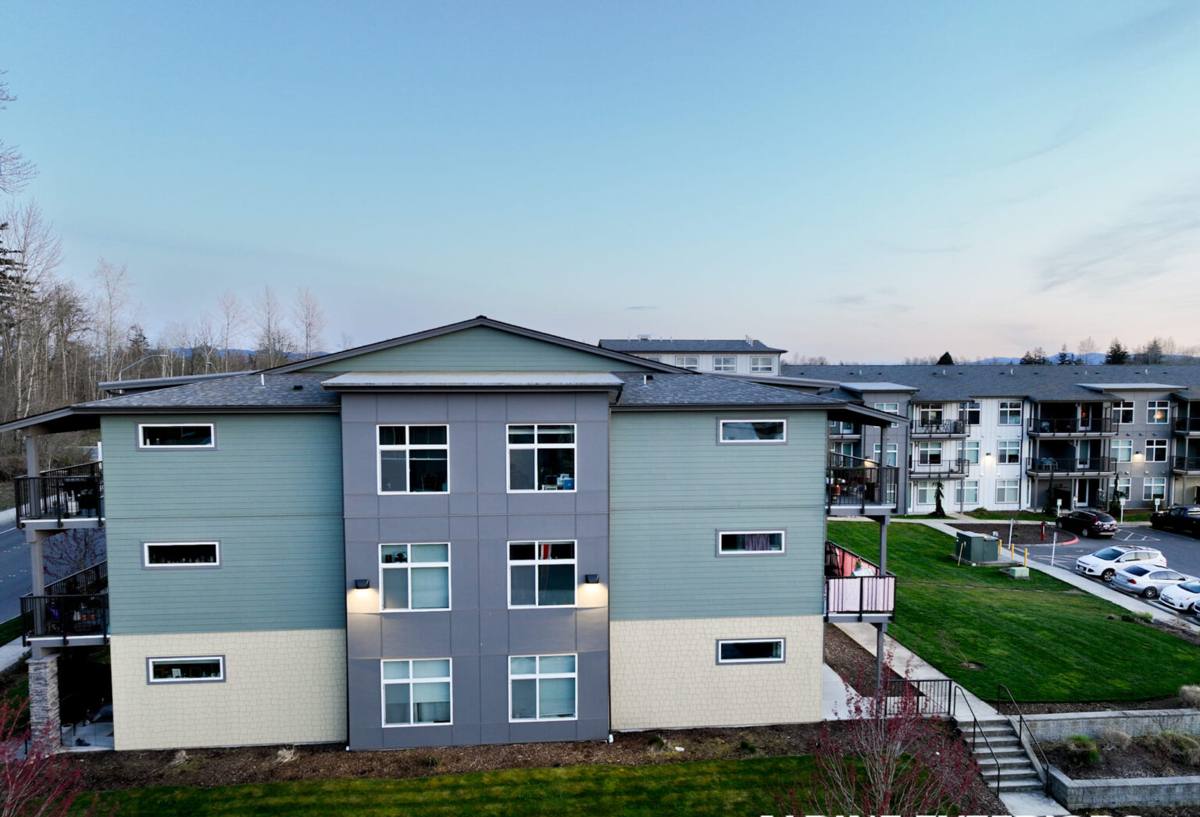
What Osprey's Climate Actually Does to Vertical Siding
Osprey sits close to the water, tucked between Sarasota and Venice along the Intracoastal, which means homes here take on a combination of stresses that inland Florida properties don't face to the same degree.
- Salt air: Constant airborne salt accelerates corrosion of fasteners, staples, and any exposed metal trim, and it degrades poor-quality coatings faster than manufacturers' lab tests often reflect.
- Wind-driven rain: Board and batten has more seams per square foot than horizontal lap siding. Every batten strip is a joint, and every joint is a potential water path if it isn't flashed and fastened correctly.
- Hurricane-force wind loads: Vertical panels see different wind pressure behavior than lap siding, especially at corners and gable ends, so fastening schedules and panel-to-substrate attachment matter more here than in calmer regions.
- Year-round intense UV: Sarasota County gets some of the highest annual UV exposure in the continental U.S. Paint film breaks down, fades, and chalks faster here than almost anywhere else in the country.
None of this means board and batten is a bad choice for Osprey. It means the material and the installation details have to be matched to the environment, not just the look.
Why We Only Install This Style in James Hardie Fiber Cement
Board and batten is available in several materials, and each one responds differently to Osprey's climate.
| Material | How it holds up on the coast |
|---|---|
| Vinyl board & batten | Battens and panels can warp or bow in sustained heat and direct sun; rigid PVC-style profiles can become brittle over time and are more vulnerable to wind-driven debris |
| Primed spruce / cedar | Wood battens and boards absorb moisture at the joints, which in a humid, salt-laden environment leads to swelling, splitting, and paint failure well ahead of a coastal home's expected repaint cycle |
| LP SmartSide / engineered wood | Better moisture resistance than raw wood, but the wood-strand core still relies on field-applied edge sealing and caulking at every batten seam holding up indefinitely — a lot of long-term performance riding on one caulk joint |
| James Hardie fiber cement | Non-combustible, dimensionally stable in heat and humidity, factory ColorPlus finish resists UV fade far longer than field-applied paint, engineered HZ5 formulation for high-moisture climates |
We don't install vinyl, LP SmartSide, Cemplank, Allura, or primed wood board and batten. That's not a knock on every homeowner who has one of those systems on their house today — plenty perform fine for years under normal maintenance. It's a decision we made about what we're willing to warranty our labor against, given how this specific coastal environment treats a lot of seams and exposed material. James Hardie's ColorPlus factory finish and HZ5 fiber cement formulation are engineered specifically for high-moisture, high-UV climates like this one, and the company backs the product with a strong, transferable warranty that reflects that engineering.
What "HZ5" Means for an Osprey Home
James Hardie makes region-specific formulations of its siding. The HZ5 line is engineered for humid climates prone to moisture and biological growth — exactly the conditions a home near Little Sarasota Bay deals with every summer. It's not a marketing label; it changes how the board resists moisture cycling at the core.
What a Correct Board & Batten Installation Actually Involves
The style looks simple from the curb, but it's one of the least forgiving sidings to install poorly. Every vertical seam is a decision point for water management. A correct job includes:
- A weather-resistive barrier installed and lapped correctly behind the panels, with all penetrations properly flashed before a single panel goes up
- A drainage plane or furring strategy that lets any incidental moisture behind the panels escape instead of sitting against the wall sheathing
- Batten strips fastened on proper layout with correct spacing to the substrate, not just face-nailed to the panel below
- Correct fastener type and penetration depth into framing or sheathing — undersized or shallow fasteners are a common failure point in high-wind zones
- Panel joints and butt seams sealed per manufacturer spec, not just caulked as an afterthought
- Corner details, window and door trim, and transitions built to shed water outward, not channel it behind the cladding
- Fastener and trim materials rated for coastal, high-salt environments
Skipping or rushing any one of these doesn't usually show up as a problem in year one. It shows up in year five or six, after a few hurricane seasons of wind-driven rain have tested every seam.
Our Process for Osprey Board & Batten Projects
1. On-Site Assessment
We look at your home's current siding condition, existing water intrusion or trim damage, wall assembly, and exposure — a bayfront-facing wall takes different weather than a wall shielded by tree canopy or neighboring structures, and that affects both product spec and installation detail.
2. Product and Layout Selection
We walk through Hardie panel and batten spacing options, reveal depth, and ColorPlus finish colors so the final look matches the style of the home, not a one-size layout.
3. Tear-Off and Substrate Check
Old siding comes off and we inspect the sheathing and framing underneath for any hidden moisture damage before it gets covered up again. This step gets skipped by crews trying to move fast, and it's where the real problems hide.
4. Weather Barrier and Flashing
This is the step that determines whether the siding survives its first few hurricane seasons. We install and flash this correctly before panels go up, every time.
5. Installation to Manufacturer Spec
Panels and battens go up following James Hardie's published fastening schedules and joint treatment for our wind zone, not a generic national spec.
6. Final Walkthrough
We review trim, caulking, and finish details with you directly before calling the job done.
Board & Batten vs. Other Siding Styles in a Coastal Climate
| Factor | Board & Batten | Horizontal Lap |
|---|---|---|
| Visual style | Vertical, tailored, modern-coastal or cottage look | Traditional, widely used, softer horizontal lines |
| Seam count | Higher — batten strips create more joints | Lower — fewer vertical joints, more horizontal laps |
| Wind performance | Strong when fastened per spec; corners and gables need extra attention | Well-proven fastening patterns, slightly more forgiving at corners |
| Best fit | Homes wanting a distinct architectural accent, gables, entry features | Full-home siding where a classic look is preferred |
Many Osprey homeowners use board and batten as an accent — gables, entry surrounds, a garage face — paired with lap siding on the main walls. Others go full board and batten for a more contemporary coastal look. Both are sound choices in James Hardie fiber cement; the right call comes down to your home's architecture and your own preference, not a performance gap between the two.
What Maintenance Looks Like After Installation
One reason we standardized on James Hardie is that the maintenance burden after installation is genuinely low compared to the alternatives:
- Rinse off salt film and airborne debris periodically — a garden hose is usually enough
- Inspect caulked joints and trim transitions once a year, ideally before hurricane season
- Repaint is not on the same clock as field-painted wood or engineered wood, since the ColorPlus finish is factory-applied and warranted separately from the substrate
- Watch for any impact damage after major storms and have it addressed promptly rather than left open to moisture
Why Hire a Crew That Already Works in Osprey
A crew unfamiliar with this stretch of Sarasota County will often default to a generic install approach, because they haven't seen firsthand what happens to under-flashed board and batten after two or three real hurricane seasons this close to the water. We've built our process specifically around what performs in this environment: the fastening schedules, the flashing details, the material choice, all of it. That's the difference between siding that looks right at closeout and siding that's still performing correctly five years and a few named storms later.
If you're planning a board and batten project in Osprey — whether it's an accent feature or full-home siding — we're glad to come take a look and talk through what your home actually needs. Fill out the form below for a free, no-pressure estimate.