 Sarasota Siding
 Roof Replacement Built for Osprey's Coastal Climate
Osprey sits in that stretch of Sarasota County where the bay breeze feels great on a porch and is absolutely brutal on a roof. Homes here take a steady beating from three directions at once: salt-laden air moving in off the water, intense UV exposure nearly every day of the year, and the wind-driven rain and hurricane-force gusts that come with living on Florida's Gulf Coast. A roof that isn't specifically built to handle that combination will show it early — granule loss, curling shingles, soft decking, and leaks that show up years before they should.
Roof replacement isn't a job you want handled the same way it would be in a landlocked state. The materials, fastening patterns, underlayment, and ventilation all need to account for what Osprey actually throws at a roof. This page covers what that looks like in practice, what a correct replacement involves, and what to expect if you're planning one for your home.
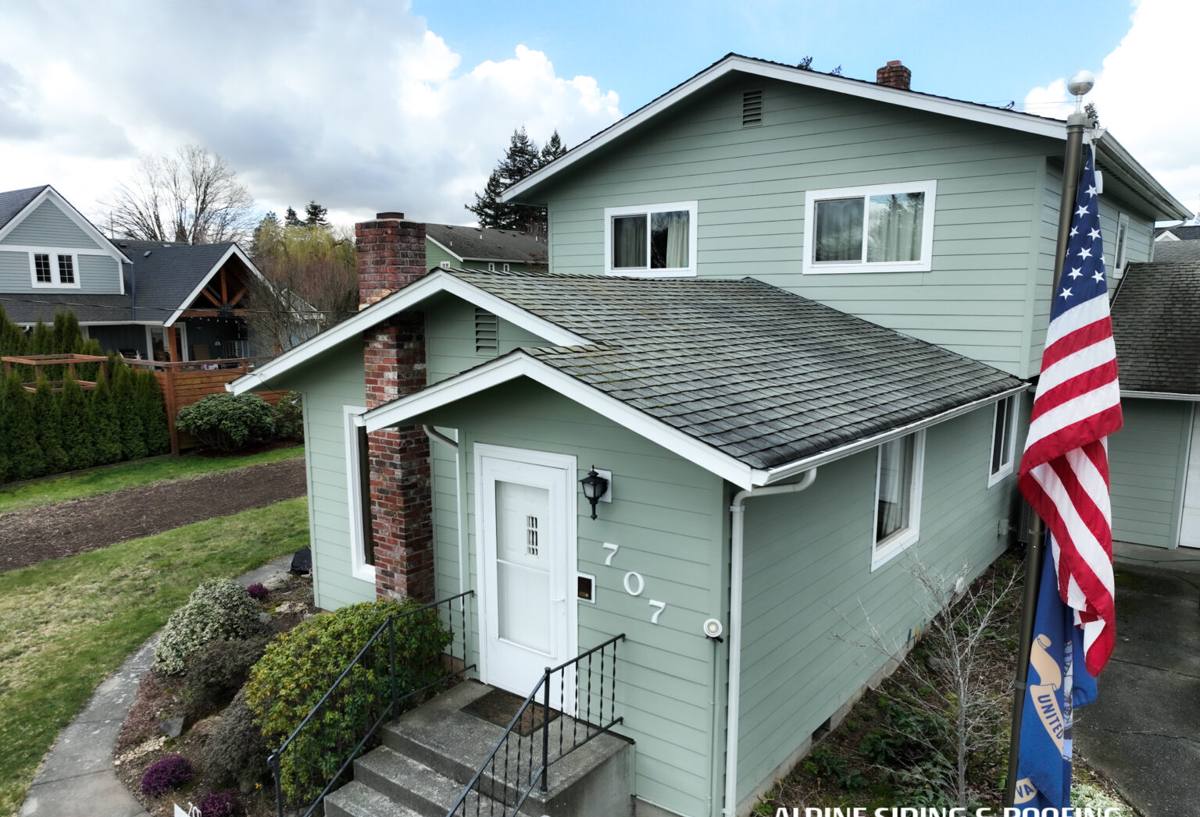
Why Osprey Roofs Wear Out Faster Than the National Average
Salt Air and Corrosion
Being close to the water means airborne salt settles on every exterior surface, including your roof. Salt accelerates corrosion on exposed metal — nail heads, flashing, vent stacks, and drip edge — long before the shingles or tiles themselves fail. A roof system that skimps on corrosion-resistant fasteners and flashing will develop hidden leak points at exactly those metal connections.
Year-Round UV Load
Sarasota County gets far more direct sun exposure per year than most of the country. UV breaks down the asphalt in shingles, drying out the oils that keep them flexible and causing granules to shed. Over time that means reduced wind resistance and a shortened service life, even on a roof that's never seen a storm.
Wind-Driven Rain
Regular rain falls straight down. Wind-driven rain during a squall or tropical system comes in sideways, working its way under shingle tabs, around vents, and into any gap in the underlayment or flashing. A roof built to a minimum-code standard elsewhere in the country often isn't designed to shed water moving horizontally.
Hurricane-Force Wind Uplift
Wind doesn't just push on a roof — it creates uplift that tries to pull materials off from the edges and corners inward. This is the single biggest factor in storm damage, and it's addressed through fastening patterns, edge treatment, and material rating, not just the shingle brand you choose.
What a Correct Osprey Roof Replacement Includes
A roof replacement done right in this climate is a system, not just a layer of shingles. Every component matters:
- Full tear-off: We remove the old roofing down to the deck so we can actually inspect the wood underneath, rather than layering over hidden problems.
- Deck inspection and repair: Any soft, water-stained, or delaminated decking gets replaced before anything new goes down. Roofing over bad decking is how "new roofs" leak within a year.
- High wind-rated underlayment: A synthetic or self-adhered underlayment provides a genuine secondary water barrier, which matters when wind-driven rain gets past the primary roofing surface.
- Enhanced fastening: Proper nail count, placement, and fastener quality at the field, edges, and corners — the areas most vulnerable to wind uplift.
- Corrosion-resistant flashing and metal: Around chimneys, walls, vents, and valleys, using metals that hold up to salt air rather than standard-grade material that will rust prematurely.
- Balanced attic ventilation: Proper intake and exhaust ventilation keeps attic temperatures and moisture in check, which protects the decking and helps the shingles last their full rated life.
- Sealed penetrations: Every pipe boot, vent, and roof penetration properly flashed and sealed, since these are the most common source of slow, hard-to-trace leaks.
Comparing Roofing Materials for Osprey Homes
There's no single "best" material for every home — the right choice depends on your roof's pitch, your home's style, your budget, and how much maintenance you want to take on. Here's an honest comparison of what we typically install in this area:
| Material | Wind Performance | Salt/UV Resistance | Typical Lifespan | Considerations |
|---|---|---|---|---|
| Architectural Asphalt Shingle | Good with proper fastening and high wind-rated products | Moderate — UV-resistant granules help, but coastal exposure shortens lifespan versus inland installs | 20-30 years | Best value; wide style and color range; most common choice in the area |
| Metal (Standing Seam) | Excellent when properly fastened | Strong if coated/fastener-rated for coastal use | 40-60 years | Higher upfront cost; low maintenance; good for homeowners planning to stay long-term |
| Concrete or Clay Tile | Very good, but individual tiles can crack from impact | Excellent — inert to salt and UV | 40-50+ years | Heavier, requires adequate structural support; repairs need matching tile stock |
| 3-Tab Asphalt Shingle | Lower wind rating than architectural shingles | Weaker long-term UV performance | 15-20 years | Lowest upfront cost, but generally not our recommendation for this climate given the shorter service life |
We don't push one product on every home. What we do is walk you through the honest trade-offs — cost, weight, maintenance, and how each material actually performs against wind and salt — so you're choosing based on your home and your budget, not a sales script.
Our Process for an Osprey Roof Replacement
1. On-Site Inspection and Estimate
We walk the roof, check the attic where accessible, and assess deck condition, ventilation, flashing points, and overall wear. You get a straightforward estimate with the material options laid out — no pressure, no gimmicks.
2. Material Selection
Based on your roof's pitch, your home's design, and your priorities (cost, longevity, storm performance), we help you land on the material and color that makes sense.
3. Permitting
Roof replacements in Sarasota County require a building permit and inspection. We handle that process as part of the job, so you don't have to navigate it yourself.
4. Tear-Off and Deck Repair
Full removal of the old roofing, deck inspection, and repair of any compromised wood before new materials go on.
5. Installation
Underlayment, flashing, ventilation components, and the finish roofing material installed to manufacturer specifications and wind-rated fastening standards.
6. Final Walkthrough and Inspection
We review the completed roof with you, clean the property thoroughly, and coordinate the final county inspection so everything is documented and closed out properly.
Signs an Osprey Roof Needs Replacing, Not Just Repairing
- Granules collecting in gutters or at downspout outlets in noticeable amounts
- Shingles that are curling, cupping, or cracking across large sections of the roof
- Visible sagging anywhere on the roofline, which often points to deck or structural issues
- Daylight visible through the roof deck from inside the attic
- Leaks appearing in more than one area, or recurring in the same spot after past repairs
- A roof approaching or past 20 years old, especially if it's never had a full tear-off
- Missing or lifted shingles after a recent storm, particularly near ridges, edges, and valleys
If your roof only shows one isolated issue — a damaged section after a storm, a single failed flashing point — repair is often the right call. Replacement makes sense when the underlying materials are broadly at the end of their service life, not just cosmetically worn in one spot.
Why Local Experience in Osprey Matters
A roofing crew that regularly works in this part of Sarasota County already understands the wind exposure patterns typical to the area, knows what the county permitting and inspection process requires, and has seen firsthand how different materials actually hold up here versus how they perform on paper. That's different from a crew that mostly works inland and treats every job the same regardless of climate.
It also means we're not guessing at fastening schedules or underlayment specs — we build every roof to handle the wind and moisture conditions this area sees, not just the minimum code requirement in a general sense. And because we're local, we're accountable after the job is done, not a name from out of town that's hard to reach if a question comes up down the road.
Maintaining Your New Roof
A quality installation is the foundation, but a little upkeep extends its life further:
- Have the roof visually inspected after any major storm, even if you don't see obvious damage from the ground
- Keep gutters and downspouts clear so water isn't backing up under the roof edge
- Trim back overhanging branches that can abrade shingles or drop debris into valleys
- Watch for granule buildup in gutters as an early sign of shingle wear
- Schedule a professional inspection every couple of years, even without visible problems
Get an Honest Assessment of Your Osprey Roof
Every roof is different, and the right replacement plan depends on your home's age, pitch, current condition, and what you want out of the next 20-plus years. We're happy to take a look, walk you through what we find, and give you a straightforward estimate with no pressure to decide on the spot. Use the form below to request your free estimate.