 Sarasota Siding
 Asphalt Shingle Roofing in Rosemary District
Rosemary District sits close enough to downtown Sarasota and the water that its homes take the full brunt of what Gulf Coast weather can dish out. Hurricane-force wind gusts, months of intense subtropical UV, wind-driven rain that finds every weak seam, and a steady dose of salt air off the coast all work against a roof at the same time. A shingle roof that would last three decades in a drier, calmer climate can start failing in half that time here if it wasn't installed with this specific environment in mind.
We install and replace asphalt shingle roofs for homeowners throughout Sarasota County, and Rosemary District's mix of older bungalows, renovated cottages, and newer infill construction gives us a good working knowledge of what actually holds up here versus what looks fine on paper. This page covers what a shingle roof needs to survive in this specific neighborhood, what a correct installation actually involves, and how our process works from first estimate to final inspection.
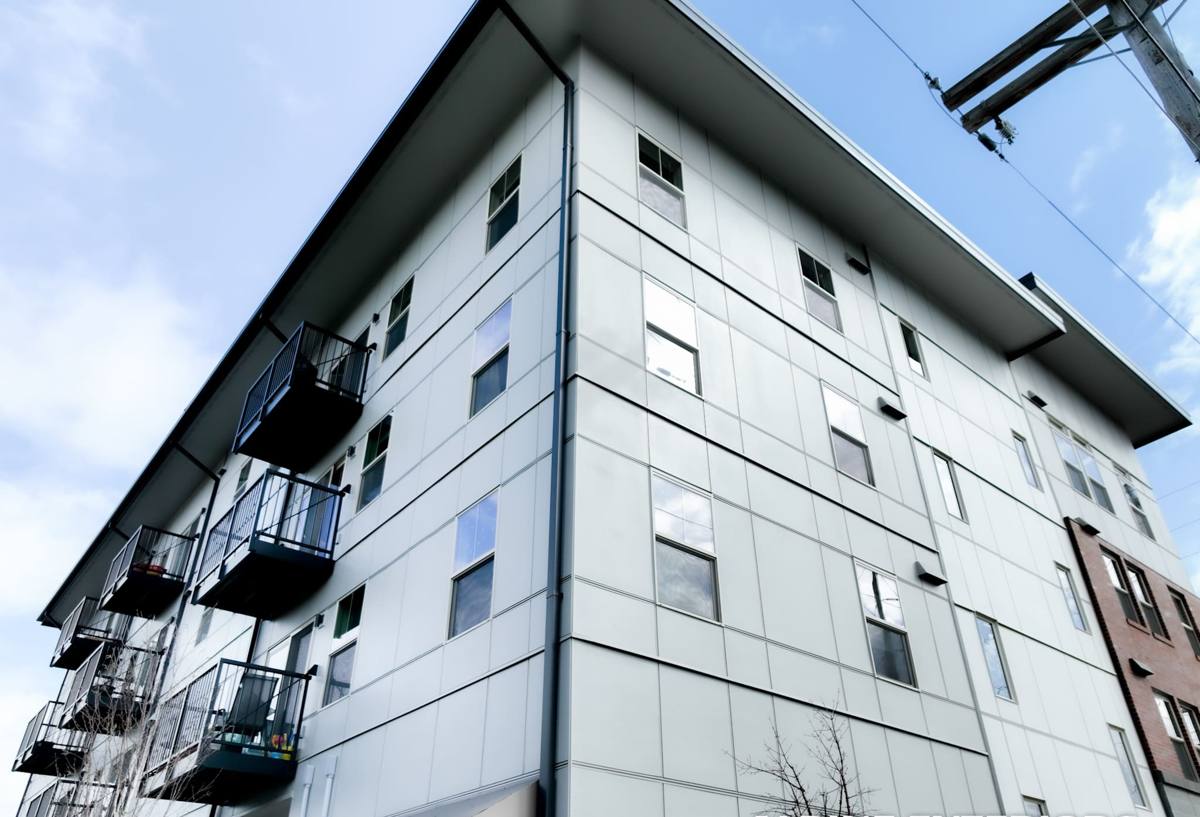
What This Climate Actually Does to a Shingle Roof
Understanding the failure modes helps explain why certain installation details aren't optional here.
Wind
Tropical systems and even routine summer storms can produce sustained winds and gusts strong enough to lift poorly sealed or under-nailed shingles. Once wind gets under one tab, it peels outward from there, and a small area of lifted shingles quickly turns into a bigger patch of exposed roof deck.
UV Exposure
Sarasota gets strong, direct sun essentially year-round. UV breaks down the asphalt binders in shingles over time, drying them out and making them brittle. Brittle shingles crack more easily in wind and lose granules faster, which shortens the roof's effective life regardless of its rated warranty.
Wind-Driven Rain
Rain that comes in sideways during a storm doesn't behave like rain falling straight down. It can work its way under shingle tabs, around vents, and through poorly flashed valleys and penetrations. A roof that sheds vertical rain fine can still leak badly in a wind-driven event if the underlayment and flashing details weren't done right.
Salt Air
Being near the coast means airborne salt settles on roofing materials and accelerates corrosion of exposed metal — nail heads, flashing, vent stacks, and fasteners. Corroded fasteners lose their grip on shingles well before the shingles themselves wear out, which is a common and preventable cause of early wind damage.
Shingle Types and What They're Actually Suited For
Not every asphalt shingle product is built the same way, and the differences matter more in a coastal wind zone than they would inland.
| Shingle Type | Typical Wind Rating | Best Fit for Rosemary District |
|---|---|---|
| 3-tab shingles | Lower end of rated range | Budget-driven projects; less margin against gusting coastal wind |
| Architectural / laminate shingles | Mid-to-high rated range | Good balance of cost, durability, and appearance for most homes |
| Impact-rated / high-wind rated shingles | Highest rated range | Best long-term performance for direct coastal exposure; often ties to insurance discounts |
We'll walk through the actual product options, warranty terms, and cost differences for your specific roof during the estimate rather than pushing one line across every job — the right choice depends on your roof's pitch, exposure, and how long you plan to stay in the home.
What a Correct Installation Actually Involves
The shingle brand and style get most of the attention, but the details underneath and around them are what actually determine whether a roof holds up through a real storm.
Deck Inspection and Prep
We check the roof deck for soft spots, rot, and delamination before anything new goes down. Shingles fastened over a compromised deck won't hold, no matter how well they're installed.
Underlayment
A synthetic or self-adhering underlayment rated for wind-driven rain protection gives the roof a real second line of defense if water ever gets past the shingles themselves — which, in this climate, it eventually will at some point in the roof's life.
Fastening Pattern
Nail count, placement, and type matter far more in a high-wind zone. We follow manufacturer high-wind nailing patterns rather than the minimum standard pattern, and we use corrosion-resistant fasteners given the salt air exposure.
Sealing and Adhesive Strips
Proper activation of the factory sealant strips (which requires correct nail placement and adequate sun exposure to bond) is what actually keeps tabs locked down against uplift, more so than the shingle's wind rating alone.
Flashing and Penetrations
Valleys, roof-to-wall transitions, vent stacks, and any chimney or skylight penetrations are common leak points. Corrosion-resistant flashing, properly lapped and sealed, is non-negotiable this close to the coast.
Ventilation
Proper attic ventilation keeps shingle temperatures more stable and reduces the heat buildup that accelerates UV and thermal aging from underneath, not just above.
Drip Edge and Edge Metal
Correct drip edge installation protects the fascia and roof edge — often the first area to show wind damage — and it's frequently skipped or done poorly on lower-cost jobs.
Our Process
- Free on-site inspection — we assess the existing roof, deck condition, ventilation, and any storm or age-related damage.
- Honest estimate — a clear written scope of work and pricing, with shingle options explained in plain terms.
- Tear-off and deck check — full removal of old roofing material so we can inspect and repair the deck before anything new goes on.
- Underlayment and flashing — installed to current high-wind and moisture standards, not just minimum code.
- Shingle installation — following manufacturer high-wind fastening specs.
- Cleanup and final walkthrough — magnetic nail sweep, debris removal, and a walkthrough so you know exactly what was done.
Why Local Experience in Rosemary District Matters
A crew that regularly works in and around Rosemary District already understands the practical realities of the area — permitting expectations in Sarasota County, the mix of home ages and roof pitches typical to the neighborhood, and the coastal exposure that a roofing crew working thirty miles inland simply doesn't deal with day to day. That familiarity shows up in fewer surprises during the job: knowing to expect certain deck conditions on older homes, understanding realistic timelines around Sarasota's rainy season, and not treating high-wind detailing as an upsell instead of a baseline.
It also matters after the job is done. A local, established crew is easier to reach if a warranty question comes up or a storm causes damage down the line, rather than a company that was only in town for one project.
How Long a Shingle Roof Should Last Here
Manufacturer lifespan ratings are typically based on moderate climates. In a coastal, high-UV, high-wind environment like Sarasota's, realistic expectations are usually somewhat shorter than the rated lifespan unless the roof was installed with the climate-specific details above. Regular inspection — especially after any named storm — extends the useful life of the roof by catching small issues (a lifted tab, a cracked seal, minor flashing corrosion) before they become water intrusion problems.
Signs Your Rosemary District Roof May Need Attention
- Granules collecting in gutters or at downspout outlets
- Shingles that look curled, cracked, or brittle at the edges
- Lifted or missing tabs after a windstorm, even if no leak is visible yet
- Rust staining around vent stacks, flashing, or fasteners
- Visible sagging along the roofline or in valleys
- Water stains on interior ceilings, especially near penetrations or valleys
- A roof approaching or past 15-20 years old that hasn't been reinspected recently
Any one of these on its own isn't necessarily an emergency, but they're worth having looked at before the next storm season rather than after.
What to Ask Before Hiring a Roofing Contractor
Given how much a poor installation can cost you later in leaks and premature failure, it's worth vetting a roofing contractor the same way you would any major home investment. Confirm licensing and insurance, ask what fastening pattern and underlayment they use by default (not just what's available if you ask), and ask how they handle deck repair if rot is found during tear-off. A contractor who explains these details clearly, without being asked twice, is generally a good sign.
If you're weighing a repair against a full replacement, or just want a straight answer on what condition your roof is actually in, we're happy to take a look. Fill out the form below for a free, no-pressure estimate — we'll walk the roof, explain what we find, and give you options that fit your home and your budget.