 Sarasota Siding
 Roofing in a Neighborhood That's Always Changing
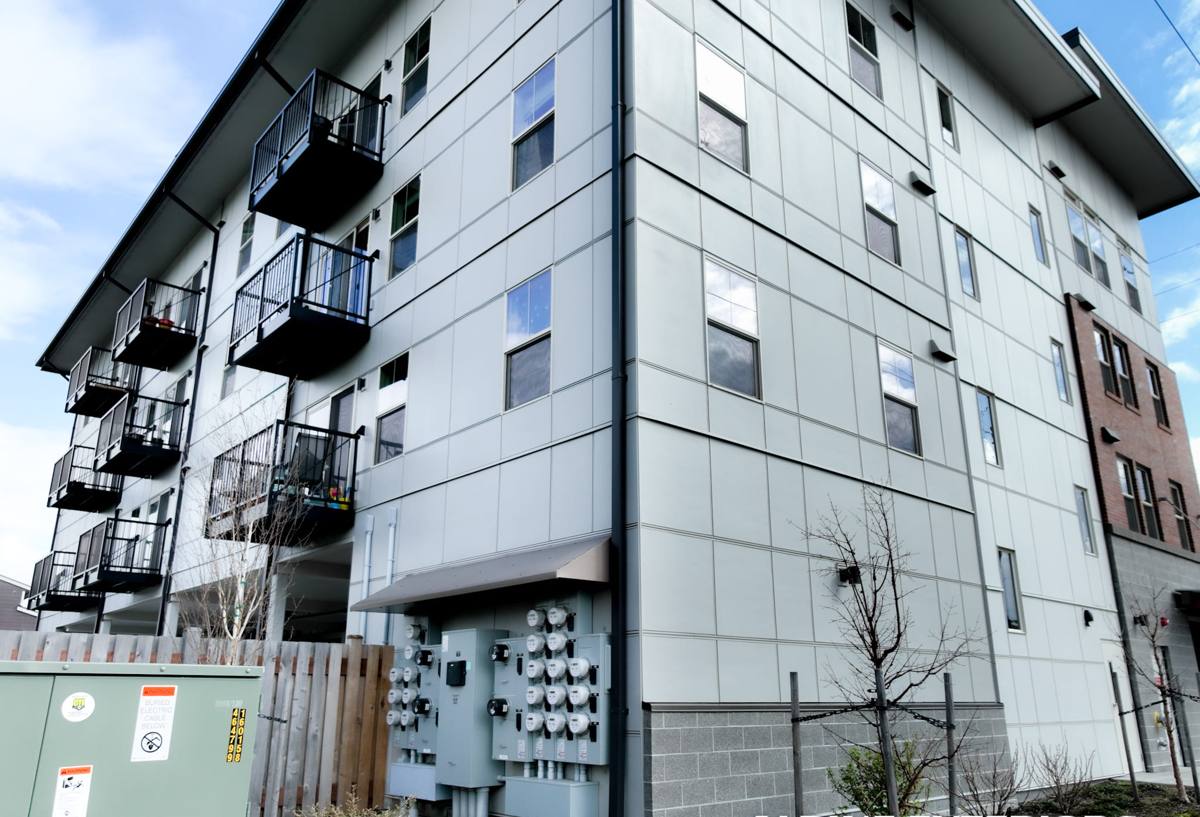
Rosemary District sits just north of downtown Sarasota, and it's one of the more visibly changing pockets of the city — older bungalows and small multifamily buildings sit alongside newer townhomes and infill construction. That mix means the roofs on this stretch of Sarasota run the full spectrum: some are original or close to it, some were replaced years ago under older codes, and some are brand new and built to current Florida Building Code wind standards. A roof replacement here isn't one-size-fits-all. What a 1960s block bungalow needs from a new roof is different from what a newer three-story townhome needs, even though they're a block apart and facing the same weather.
What doesn't change block to block is the climate. Every roof in Sarasota County deals with the same combination: hurricane-force wind events, intense year-round UV exposure, wind-driven rain that finds any gap in flashing or underlayment, and salt air drifting in from the Gulf that accelerates corrosion on fasteners and metal components. A roof replacement done right in Rosemary District accounts for all of that from the deck up, not just the shingles on top.
Why an Older or Undersized Roof Becomes a Real Liability Here
A roof that's past its service life doesn't fail politely. In this climate it usually fails during the exact conditions it was supposed to protect against — a tropical storm or a hard summer thunderstorm with sideways rain. Common problems we see on aging roofs in this part of Sarasota:
- Shingles that have gone brittle from years of UV exposure and start losing granules or cracking at the tabs
- Nail pops and lifted shingle edges that give wind a place to grab hold
- Old or missing flashing around chimneys, walls, and roof-to-wall transitions where wind-driven rain gets pushed uphill
- Underlayment that's dried out and no longer providing real secondary water protection
- Corroded fasteners and metal flashing from long-term salt air exposure
- Ventilation that hasn't kept pace with attic heat buildup, which shortens the life of everything above it
None of these are dramatic on their own. Together, they're why an aging roof in this neighborhood tends to go from "a few small issues" to "active leak during the next big storm" faster than homeowners expect.
What a Correct Roof Replacement Actually Involves
It starts below the shingles, not on top of them
A roof replacement is only as good as what's underneath the finished surface. We tear off down to the deck, inspect every sheet of plywood or OSB for soft spots, delamination, or water staining, and replace anything compromised before a single new shingle goes down. Roofing over a damaged deck is one of the fastest ways to shorten a new roof's life, and it's not something that shows up on a quick visual estimate — it only shows up once the old material is off.
Underlayment and flashing are where storms are actually won or lost
In a coastal Florida climate, the underlayment and flashing package matters as much as the shingle brand. We use underlayment systems rated for wind-driven rain, and we pay particular attention to flashing at valleys, chimneys, skylights, and any wall-to-roof transition — these are the spots where most leaks actually originate, not the open field of the roof.
Ventilation gets checked, not assumed
Attic ventilation affects how hot your roof deck runs and how long your shingles last. On older homes in Rosemary District, existing ventilation is often undersized for the current roof area or was never balanced between intake and exhaust in the first place. We evaluate this as part of the replacement, not as an afterthought.
Fasteners and attachment match the wind zone
Sarasota County falls in a high-wind zone under the Florida Building Code, and nailing patterns, fastener count, and attachment method all have code-mandated minimums tied to that. We install to meet or exceed those requirements — it's not an upsell, it's the standard for the area.
Material Options: What Fits This Climate
There's no single "best" roofing material for every home in this neighborhood — it depends on your roof's pitch, your home's structure and age, your budget, and how long you plan to own the property. Here's how the common options stack up for a coastal Sarasota climate:
| Material | Wind & storm performance | UV / heat behavior | Maintenance | Typical lifespan |
|---|---|---|---|---|
| Architectural asphalt shingle | Good, when rated and installed for high-wind zones | Ages with UV exposure over time | Low to moderate | 20-30 years |
| Standing seam metal | Excellent wind uplift resistance when properly fastened | Reflects heat well; coatings resist UV fade | Low; watch fastener condition in salt air | 40-50+ years |
| Concrete or clay tile | Very good wind resistance; individual tiles can crack from impact | Excellent; doesn't degrade from UV | Moderate; underlayment beneath tile still ages and needs eventual replacement | 30-50 years (tile) / underlayment sooner |
We'll walk you through which of these makes sense for your specific roof structure and budget rather than pushing one product across every home. Cost, appearance restrictions in some parts of the neighborhood, and your roof's framing all factor into that conversation.
Cost Factors Worth Understanding
Every roof replacement quote should account for the same handful of variables. Understanding them helps you compare estimates honestly instead of just comparing a bottom-line number:
- Roof size and pitch — steeper roofs and more complex rooflines (multiple valleys, dormers, hips) take more labor and material than a simple gable roof
- Deck condition — plywood or OSB replacement is priced by the sheet once the old roof is off and the deck is exposed
- Material choice — asphalt shingle, metal, and tile carry different material and labor costs, as shown above
- Layers to remove — a roof with a single layer to tear off costs less than one with multiple layers built up over the years
- Flashing and ventilation upgrades — bringing older flashing and vent systems up to current standards
- Permitting — required for roof replacement in Sarasota County and built into a legitimate quote
Be cautious of any quote that's dramatically lower than others without explaining which of these it's skipping.
Our Process for a Rosemary District Roof Replacement
- On-site inspection. We look at the roof from the ground and, where safe, up close — condition of the shingles or tile, flashing, ventilation, and any visible interior signs of past leaks.
- Written estimate. A clear scope of work and price, with material options explained so you understand what you're choosing between.
- Permitting. We pull the required permit through the appropriate local authority before work starts.
- Tear-off and deck inspection. Full removal of the old roofing material, with any damaged decking identified and replaced.
- Underlayment, flashing, and ventilation install. The waterproofing layer and details that actually keep wind-driven rain out.
- New roof installation. Installed to Florida Building Code wind requirements for this zone, with attention to nailing pattern and attachment.
- Final walkthrough and cleanup. We review the finished roof with you and make sure the property is cleared of debris and nails.
Permits, Wind Mitigation, and Insurance
A roof replacement in Sarasota County requires a permit, and the finished work gets inspected against current code — that's not optional and it's not something a homeowner should waive just to save time. It also matters for insurance: many carriers offer premium credits for roofs that meet current wind mitigation standards, and a permitted, code-compliant replacement is usually what makes a homeowner eligible for a wind mitigation inspection and the discount that comes with it. We handle the permitting as part of the job and can provide the documentation your insurance carrier will ask for.
What to Check Before Hiring Anyone for This Job
Roof replacement is one of the largest single investments in maintaining a home, and it's also one of the easier trades for a homeowner to get taken advantage of in, especially right after a storm. Before signing anything, confirm:
- The contractor holds an active Florida roofing license and carries liability and workers' comp insurance
- They'll pull the permit themselves, not ask you to pull it or skip it
- The estimate is written and itemized, not a verbal number
- They inspect the deck before quoting a final price, or clearly explain how deck repair will be priced if damage is found
- They're familiar with the wind and rain exposure specific to this part of Sarasota County, not just working from a generic checklist
- Warranty terms — both material and workmanship — are explained in writing before work starts
A crew that regularly works in Rosemary District and the surrounding Sarasota neighborhoods already knows the local permitting process, the typical roof ages and structures in the area, and how the salt air and storm exposure here actually behave over time. That familiarity shows up in fewer surprises once the tear-off starts.
Get a Straight Answer on Your Roof
If your roof is showing its age, was damaged in a recent storm, or you're just trying to plan ahead before the next hurricane season, we're happy to take a look and give you an honest assessment — no pressure, no scare tactics. Request a free estimate using the form below and we'll walk you through what your roof actually needs.