 Sarasota Siding
 Why Bradenton Siding Has to Work Harder Than Siding Almost Anywhere Else
Bradenton sits at the mouth of the Manatee River, a few minutes from Sarasota Bay and the Gulf, which means the exterior of a home here is under constant, low-grade attack. It's not one dramatic event that wears out siding — it's the daily grind of intense UV exposure, humidity that rarely drops, wind-driven rain that finds every gap, and salt-laden air drifting in off the water. Add in the real risk of hurricane-force wind gusts during storm season, and you have a climate that punishes any siding installed with shortcuts.
A siding job that would hold up fine in a drier, milder climate can fail within a few years here — not because the material was bad, but because the installation didn't account for what Bradenton actually throws at a house. That's the core of what this page is about: what correct siding installation looks like for this specific area, and why the way it's installed matters as much as what it's made of.
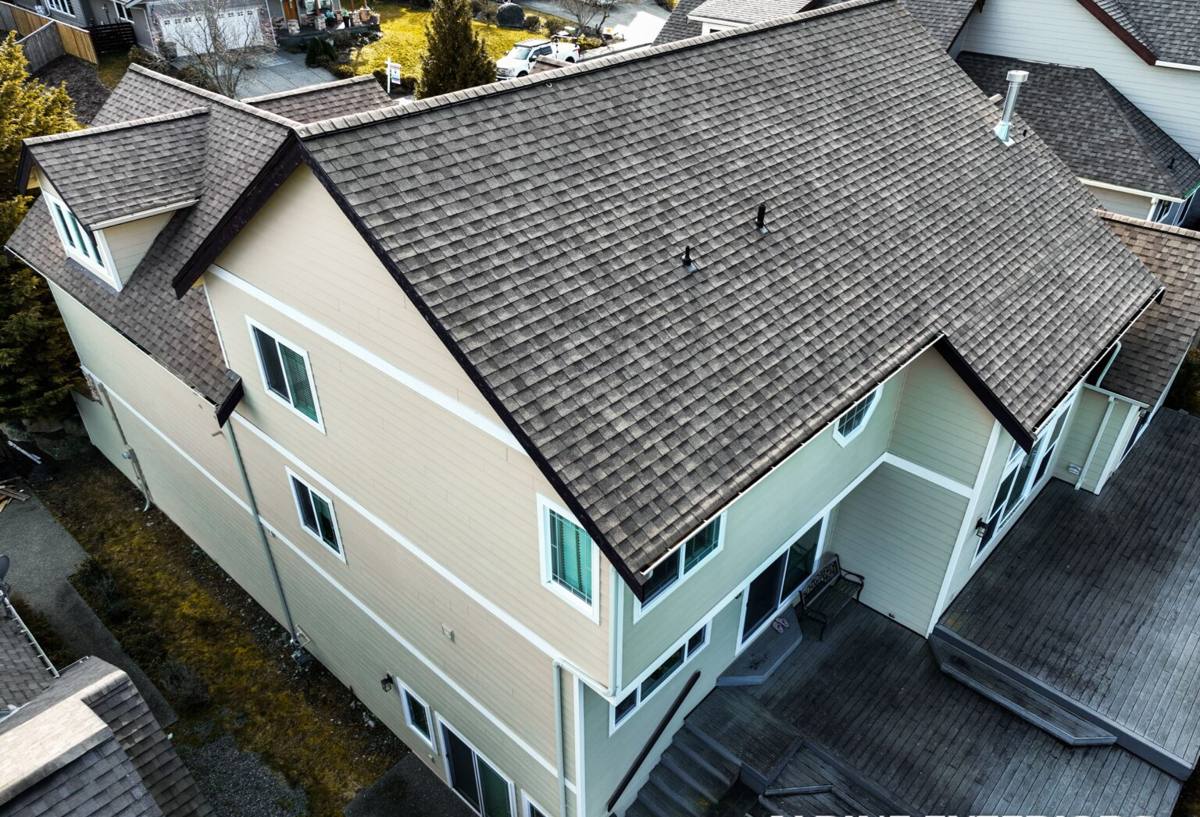
How Bradenton's Climate Attacks Siding Over Time
Heat and UV
Bradenton gets sun exposure most of the year, and that constant UV load breaks down pigments and surface coatings faster than in northern climates. Siding that isn't engineered for high-UV environments tends to fade unevenly, chalk, or become brittle at the surface within a handful of years.
Humidity and Moisture
High ambient humidity means siding rarely gets a chance to fully dry out, especially on shaded or north-facing walls. Any product or installation detail that traps moisture behind the cladding — rather than letting the wall assembly breathe and drain — sets up conditions for rot, mold, and fastener corrosion behind the surface, often before there's any visible sign from the street.
Wind-Driven Rain
Rain in this region rarely falls straight down. Storms push rain sideways, which means water gets forced up under laps, around openings, and into any gap in the flashing. Siding systems and installation details that would be adequate in a calmer climate simply don't hold up to horizontal, wind-driven water.
Salt Air
Even homes that aren't waterfront pick up salt content in the air this close to the coast. Salt accelerates corrosion of fasteners, trim screws, and any exposed metal, and it can degrade certain coatings faster than inland exposure would.
Hurricane-Force Wind
Wind load is the most obvious threat, but the damage it does isn't always obvious. Siding that isn't fastened to the correct spec can lift, crack, or blow off in gusts well below a storm's peak wind speed — and once one section fails, wind gets behind the wall and the damage cascades quickly.
Signs a Bradenton Home Needs Siding Installed or Replaced
Homeowners often wait for obvious damage before calling anyone, but several early warning signs are worth acting on before a full failure:
- Soft or spongy spots when you press on the siding, especially near the bottom edges and around windows
- Visible cracking, buckling, or warping panels
- Paint that's peeling or blistering faster than it should, which often points to moisture trapped behind the siding rather than a paint problem
- Rising cooling bills with no other explanation, which can mean the wall assembly behind the siding has been compromised
- Visible gaps at seams, corners, or trim where wind-driven rain has been getting in
- Mold or mildew staining that keeps coming back no matter how often it's cleaned
What a Correct Siding Installation Actually Involves
Siding installation is often treated as a cosmetic job — pull off the old panels, put up new ones. In a climate like Bradenton's, that approach is exactly how homes end up with premature failures. A correct installation is a system, and every layer of it matters.
The Water-Resistive Barrier
Before any siding goes up, the wall needs a properly lapped and sealed water-resistive barrier. This is the backup layer that protects the sheathing and framing if wind-driven rain gets past the siding itself — which, in this climate, it eventually will at some point over the life of the house.
Flashing at Every Penetration
Windows, doors, hose bibs, light fixtures, and any other penetration in the wall need proper flashing that directs water back out, not into the wall cavity. This is one of the most commonly rushed steps in siding work, and it's usually the first place a home fails during a wind-driven rain event.
Correct Fastening for Wind Zones
Fastener type, spacing, and placement all need to match the wind zone the home is actually in, not a generic national standard. Under-fastened siding is one of the leading causes of wind damage in coastal Florida counties, and it's not something you can see just by looking at a finished wall.
Proper Clearances and Drainage
Siding needs to be held off the ground, roofline, and other transitions with the correct clearance so water has somewhere to go instead of wicking up into the bottom edge of the panels. This detail is easy to overlook and one of the most common causes of rot at the base of a wall.
Caulking and Joint Treatment
Where panels, trim, and corners meet, joints need to be treated correctly — sealed where the manufacturer specifies, left to drain where it doesn't. Over-caulking is almost as damaging as under-caulking, since it can trap moisture instead of letting it escape.
Why We Install Only James Hardie Fiber Cement
We don't install vinyl siding, LP SmartSide, Cemplank, Allura, or primed wood siding like spruce or cedar. That's a deliberate standard, not a limitation of what we're capable of installing. Every one of those products has real strengths, but each comes with a trade-off that we've decided isn't worth putting on a home in this climate.
Vinyl softens, warps, and can crack in high heat and impact; it's also combustible, which matters in a state with real wildfire and lightning-strike exposure. Wood-based and wood-fiber products like LP SmartSide, and untreated wood like cedar or primed spruce, depend heavily on an intact factory or field coating to keep moisture out — once that coating is compromised in a humid, wind-driven-rain climate, the substrate underneath is vulnerable to swelling and rot. Cemplank and Allura are also fiber cement, and reasonable products, but we've standardized on one system, one set of installation specs, and one manufacturer's engineering rather than splitting our crews' expertise across multiple product lines.
James Hardie fiber cement is non-combustible, dimensionally stable in heat and humidity, and manufactured in HZ climate-engineered formulations specifically for high-moisture, high-UV regions like the Gulf Coast of Florida. The ColorPlus factory finish is baked on under controlled conditions, which gives it far more consistent UV and fade resistance than field-applied paint, and it carries a strong transferable warranty when installed to Hardie's published specifications — which is exactly why the installation details above matter so much. The product's engineering only pays off if the installation matches it.
James Hardie vs. Other Siding Materials
| Material | Combustibility | Moisture/Humidity Behavior | UV/Color Stability | Coastal Wind Performance |
|---|---|---|---|---|
| James Hardie Fiber Cement | Non-combustible | Dimensionally stable, engineered HZ formulations for humid climates | Baked-on ColorPlus finish resists fading | Strong when installed to spec and correct fastening schedule |
| Vinyl | Combustible, can melt/warp in heat | Doesn't rot, but can trap moisture behind it if installed poorly | Prone to fading and chalking over time | Can crack or blow off in high wind if not rated correctly |
| LP SmartSide / Wood-Fiber | Combustible | Depends on intact coating; swells and degrades if moisture penetrates | Requires field maintenance to hold color | Adequate but installation-sensitive |
| Cedar / Primed Spruce | Combustible | High maintenance burden in humid climates; prone to rot without upkeep | Needs regular refinishing | Variable, heavily maintenance-dependent |
Our Siding Installation Process for Bradenton Homes
Every home is different, but the sequence we follow doesn't change, because each step protects the one before it.
- Assessment: We inspect the existing siding, sheathing, and any trouble spots — especially around windows, corners, and low clearances — before recommending a scope of work.
- Removal and sheathing check: Old siding comes off and we check the sheathing underneath for hidden rot or moisture damage before anything new goes up.
- Water-resistive barrier and flashing: We install and properly lap the barrier, then flash every window, door, and penetration before the first piece of siding goes on.
- Hardie installation to manufacturer spec: Panels or planks are installed with the fastening schedule, clearances, and joint treatment specified for this wind zone and climate.
- Trim, caulking, and finish details: Corners, trim boards, and joints are finished according to Hardie's application requirements, not generic shortcuts.
- Final walkthrough: We walk the finished job with the homeowner and confirm every detail before calling it complete.
What Siding Installation Typically Costs to Get Right
Costs vary by home size, existing wall condition, and how much sheathing repair is needed once old siding comes off, so we won't put a number on it here. What we can tell you is what actually drives the cost on most Bradenton homes:
| Cost Factor | Why It Matters Here |
|---|---|
| Sheathing condition | Hidden rot from years of trapped moisture often isn't visible until old siding comes off |
| Home size and wall complexity | More corners, windows, and penetrations mean more flashing and detail work |
| Existing siding removal | Some materials come off cleanly; others require more labor to remove without damaging sheathing |
| Product line and profile | Hardie offers multiple plank, panel, and shingle profiles at different price points |
| Trim and accessory work | Corners, fascia, and soffit work done alongside siding affects total scope |
We provide a written, itemized estimate after seeing the home in person — not a phone-quote guess — so you know exactly what you're paying for and why.
Why Local Experience in Bradenton Matters
A crew that regularly works Manatee and Sarasota County homes already knows what the salt air, humidity, and wind exposure in this specific area do to a wall assembly over time. That's not something you can fully compensate for by reading a manufacturer's install manual alone — it comes from having repaired the failures that happen when those details get skipped, and knowing which ones matter most on this coastline specifically. It also means we're familiar with the wind-load and building code requirements that apply to homes in this part of Florida, so the installation is done to meet them, not just to look finished.
Choosing a Siding Contractor for Your Bradenton Home
Before hiring anyone for a siding project this close to the coast, it's worth confirming a few things up front:
- They carry proper licensing and insurance for exterior contracting work in Florida
- They can explain their flashing and water-resistive barrier details, not just the finished look of the siding
- They install to the manufacturer's published specifications for your specific wind zone
- They give you a written estimate that itemizes materials, labor, and any sheathing repair contingency
- They stand behind the installation with a workmanship warranty, separate from the manufacturer's product warranty
If you're weighing a siding replacement on a Bradenton home and want a straight answer about what it needs and what it will take to do it right, we're happy to take a look. Reach out for a free, no-pressure estimate — someone from our crew will walk the exterior with you, point out anything we find, and give you a clear, written scope before any work begins.