 Sarasota Siding
 Southside Village Homes Face a Tougher Climate Than Most Siding Is Built For
Southside Village sits close enough to Sarasota Bay and the Gulf that salt-laden air is a daily fact of life, not an occasional nuisance. Add in the intense, near year-round Florida UV, long stretches of wind-driven summer rain, and the real possibility of hurricane-force gusts during storm season, and you have a combination that few siding products were ever designed to survive long-term. Homes in this part of Sarasota County don't get a break between threats — the sun bakes the siding, the humidity gets behind it, and the salt air corrodes anything not built to resist it.
Older siding materials that might perform fine in a drier, cooler climate often fail early here. Paint chalks and fades faster under this UV load. Seams and fasteners that aren't properly flashed let moisture in behind the cladding, where it has nowhere to go in Sarasota's humidity. And in a storm, siding that isn't rated and installed for high wind exposure is one of the first things to peel off a house. If you own a home in Southside Village, your siding isn't just cosmetic — it's your home's first line of defense against a genuinely hostile climate.
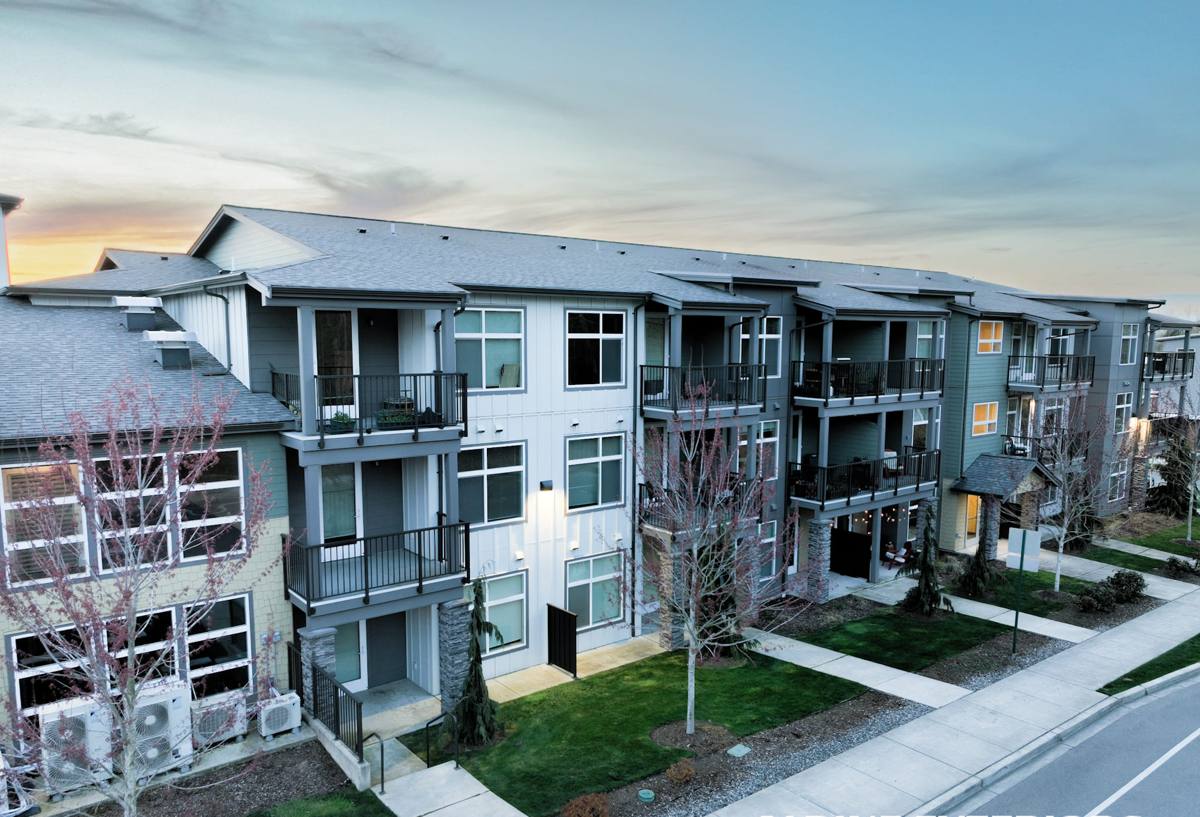
Signs Your Southside Village Home Needs Siding Replacement
Siding failure in this climate rarely shows up as one dramatic event. It's usually a slow accumulation of small warning signs that homeowners notice individually but don't connect until the damage is significant.
- Visible cracking, warping, or buckling panels, especially on the sides of the house that take the most sun and wind-driven rain
- Paint that's chalking, peeling, or fading unevenly across the facade
- Soft spots when you press on the siding, which usually means moisture has already gotten behind it
- Bubbling or discoloration near seams, corners, and window trim
- Visible gaps or separation at butt joints and corner boards
- A musty smell inside near exterior walls, or unexplained interior humidity issues
- Siding that flexes or rattles in strong wind
Any one of these on its own might not mean much. Several at once, especially on a home that's due for exterior work anyway, usually means the siding is past the point where patching or repainting makes sense.
What a Correct Siding Replacement Actually Involves
It's Not Just Swapping Panels
A siding replacement done right in a coastal Sarasota County climate is a system installation, not a cosmetic swap. Every layer under the visible siding matters as much as the siding itself, because that's what actually keeps wind-driven rain and humidity out of the wall cavity.
The Core Steps
- Full tear-off of the old siding down to the sheathing, so the crew can inspect for hidden rot, moisture damage, or compromised framing before anything new goes up
- Sheathing repair where needed — replacing any wood that's soft, delaminated, or water-damaged rather than covering it up
- Weather-resistive barrier installation, properly lapped and sealed to shed water down and out, not trap it behind the new siding
- Flashing at every penetration — windows, doors, hose bibs, light fixtures, and any other break in the wall plane — since this is where the overwhelming majority of siding-related water intrusion actually starts
- Correct fastening per the manufacturer's specification for the wind exposure category of the home's location, not a generic nailing pattern
- Proper joint and seam treatment, including caulking and clearances that account for material expansion in Florida's heat
- Factory-finished siding installation, trim, and final detailing
Skip or rush any one of these steps and the finished wall can still look good on installation day while being set up to fail within a few years, usually right where you can't see it until the damage has spread.
Why We Install Only James Hardie Fiber Cement Siding
We standardized on James Hardie fiber cement siding for every home we work on, including here in Southside Village, and we don't install vinyl, LP SmartSide, Cemplank, Allura, primed spruce, or cedar. That's not a marketing preference — it's a decision based on what actually holds up to this exact climate over decades, not just years.
Fiber cement is non-combustible, which matters in a state where lightning-driven brush and structure fires are a real risk. It doesn't expand and contract with heat and humidity the way vinyl does, so seams stay tighter and fastener holes don't work loose over time. James Hardie's ColorPlus factory finish is baked on under controlled conditions and backed by a real finish warranty, which matters enormously in a market where UV exposure is relentless nearly every month of the year. And James Hardie engineers specific product lines, including HZ5 formulations, for high-humidity, high-moisture climates like Florida's Gulf Coast — the material is designed for exactly the conditions Southside Village homes deal with.
We're not going to tell you other products are worthless — they have real uses and real cost advantages in other climates and budgets. But we've made a professional call that on the homes we put our name behind, especially in a coastal Sarasota County environment, fiber cement installed to spec is what actually earns its keep over 20, 30, or more years.
Product and Cost Comparison for Sarasota Coastal Homes
| Factor | Vinyl Siding | Wood/LP-Style Siding | James Hardie Fiber Cement |
|---|---|---|---|
| Salt air resistance | Fair — can chalk and become brittle | Poor without diligent maintenance | Strong when properly installed |
| Hurricane-force wind rating | Varies widely by product grade | Depends on install quality | Engineered wind-load ratings available |
| UV/fade resistance | Moderate — fades over time | Requires repainting on a cycle | Factory ColorPlus finish, extended finish warranty |
| Moisture/rot risk | Low material risk, but traps moisture if installed poorly | Higher — wood-based products are moisture-sensitive | Low — engineered for high-humidity climates |
| Combustibility | Combustible | Combustible | Non-combustible |
| Typical upfront cost | Lowest | Low to moderate | Moderate to higher |
| Long-term cost of ownership | Can be higher due to earlier replacement | Higher due to maintenance and repainting | Lower over a full ownership cycle when installed correctly |
The upfront cost gap is real, and we'll always give you an honest number for your specific home. But the comparison that actually matters in this climate is cost per year of real service life, not just the number on the estimate.
Our Process for a Southside Village Siding Replacement
We keep the process straightforward and don't cut corners to hit a faster timeline:
- On-site assessment of your current siding, sheathing condition, and any problem areas specific to your home's sun and wind exposure
- Honest scope and estimate, including whether sheathing repair is likely needed, with no pressure and no inflated numbers
- Permitting handled through Sarasota County and the City of Sarasota as applicable, since proper permits and inspections are part of doing the job right, not an optional step
- Full tear-off and inspection before a single new panel goes up
- System installation — barrier, flashing, fastening, and siding — to James Hardie's specification for this wind and moisture exposure category
- Final walkthrough with you so you know exactly what was done and why
We don't skip the tear-off and inspection step to save time, and we don't install over questionable sheathing. If we find something during demo that changes the scope, we tell you before we proceed, not after.
Why Hiring a Crew That Already Works Southside Village Matters
Siding replacement in an established Sarasota neighborhood like Southside Village comes with logistics that a crew unfamiliar with the area can get wrong. Older homes here often have older sheathing underneath, and knowing what to expect before you open the wall up saves time and surprises. Permitting through Sarasota County and the City of Sarasota has its own process and timeline, and a crew that pulls permits in this jurisdiction regularly moves through it faster than one learning it for the first time.
There's also the practical reality of working in a tighter-knit, established neighborhood: parking, staging materials, protecting landscaping, and being considerate of neighbors during the job all matter more when homes are close together. A crew that's worked in and around Southside Village before knows how to run a clean, respectful job site here, not just how to install siding in general.
Finally, local experience means we've already seen how James Hardie siding performs on homes with this exact sun exposure, wind exposure, and salt air proximity — which means fewer surprises for you and a more accurate estimate from the start.
What to Expect After Your Siding Is Replaced
Correctly installed James Hardie siding is genuinely low-maintenance, but "low-maintenance" doesn't mean "no attention needed" in a coastal climate. A periodic rinse to clear off salt residue and organic buildup, prompt attention to any caulking or trim issues, and keeping an eye on areas where sprinklers or landscaping throw water directly at the wall will keep your new siding performing the way it's designed to for decades. We'll walk you through what's worth watching for on your specific home before we leave the job site.
If your Southside Village home's siding is showing its age or storm damage, we're happy to take a look and give you a straightforward, no-pressure estimate. There's no cost and no obligation to find out where your home actually stands — just fill out the form below to get started.