 Sarasota Siding
 Siding Replacement for University Park Homes
University Park sits inland from the beaches but still squarely inside Sarasota County's subtropical weather pattern — which means the siding on these homes takes a beating from every direction, all year long. Homeowners here tend to reach out to us for one of two reasons: the siding is visibly failing (buckling, staining, soft spots), or it's still standing but clearly on borrowed time and they want to get ahead of it before a storm forces the issue. Either way, siding replacement in this community is not a cosmetic project. It's a decision about what stands between your home's structure and Florida weather for the next several decades.
This page covers what siding replacement actually involves for a University Park home, what the local climate demands from the material and the installation, and why we've built our business around installing only one product system rather than offering a menu of options.
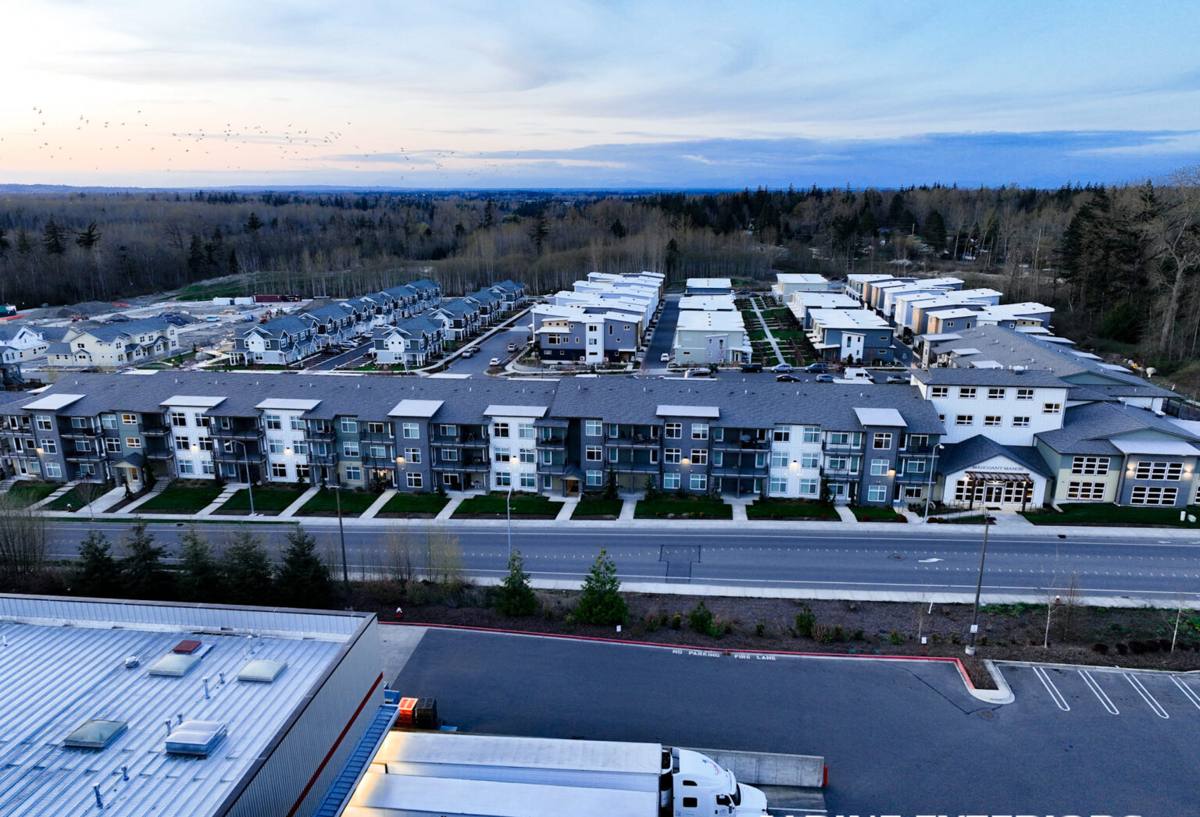
What Sarasota County Weather Does to Siding Over Time
Every siding material ages differently, but nothing ages gracefully under the specific combination of stresses that Sarasota County homes see year after year:
Hurricane-force wind and wind-driven rain
Storm season doesn't just test whether siding stays attached — it tests whether water gets pushed behind it. Wind-driven rain will find any gap in flashing, any under-lapped seam, or any panel that wasn't fastened to spec, and it will drive moisture straight into the wall assembly. Once that happens, the damage is often invisible until sheathing or framing has already started to rot.
Intense, near-constant UV exposure
Sarasota gets strong sun for most of the year. UV breaks down pigments and surface coatings, which is why so many homes in this area show chalky, faded, or blotchy siding on the sun-facing elevations well before the material itself has failed structurally.
Salt air and humidity
University Park is set back from the coast, but salt-laden air still moves inland across the region, and Sarasota's humidity stays high most of the year regardless of proximity to the water. That combination accelerates corrosion of fasteners and trim, and it keeps moisture in contact with siding surfaces longer than in drier climates.
None of this is unique to University Park — it's the reality for every neighborhood in this part of Florida. What it means practically is that "siding replacement" here has to be judged against a tougher standard than it would in a milder climate.
Signs a University Park Home Needs Siding Replacement
Not every siding problem calls for full replacement — some are legitimately fixable with repair or recoating. But there's a point where patching starts costing more, in time and money, than doing the job right. Watch for:
- Soft, spongy, or crumbling siding when pressed — usually a sign of moisture already in the substrate
- Persistent staining or dark streaking that comes back after cleaning
- Visible warping, buckling, or panels pulling away from the wall
- Cracking or splitting concentrated on the sides of the house that get the most sun
- Paint that won't hold — recoating every year or two instead of every several years
- A musty smell near exterior walls, or interior wall staining that lines up with an exterior problem area
- Visible fastener corrosion or rust streaks bleeding through the surface
- Siding that's simply reached the end of its manufacturer-rated service life
If you're seeing more than one or two of these, it's worth having someone look at the wall assembly itself, not just the visible siding surface.
Why We Install Only James Hardie Fiber Cement
We get asked regularly why we don't offer vinyl, LP SmartSide, or other fiber cement brands as options. The honest answer is that we made a standard, not a sales pitch: after years of installing and repairing siding across this region, James Hardie is the only system we're willing to put our name behind for Gulf Coast Florida conditions.
A few specific reasons:
- Fiber cement is non-combustible. It doesn't contribute fuel to a fire the way wood-based or engineered-wood products can.
- It doesn't absorb and swell the way wood-based composite products can when repeatedly exposed to wind-driven rain and high humidity — a real factor here, not a hypothetical one.
- Hardie's HZ5 product line is engineered specifically for high-humidity, storm-prone climate zones like ours, rather than being a general-purpose product used everywhere.
- ColorPlus factory-applied finish is baked on under controlled conditions, which holds up to UV and salt air significantly better than field-applied paint over time.
- The warranty is transferable and backed by a manufacturer with decades of track record in coastal and hurricane-exposed markets, not just a regional or private-label promise.
We're not going to tell you every other siding product is worthless — plenty of them perform fine in the right climate, installed correctly, and maintained on schedule. But we're a Sarasota County contractor, and we've decided the honest, defensible thing to do is install the one product system we believe consistently earns its keep in this specific climate. That's James Hardie, and it's the only thing we put on a University Park home.
What a Correct Siding Replacement Actually Involves
Siding replacement is not just stripping old panels and nailing up new ones. Done correctly, it's a full wall-assembly job, and skipping steps is exactly how homes end up with hidden rot five years later.
| Step | Why It Matters |
|---|---|
| Full tear-off and substrate inspection | Reveals hidden moisture damage, rot, or pest damage behind the old siding before it's covered up again |
| Sheathing repair or replacement as needed | New siding over compromised sheathing just hides a structural problem — it doesn't fix it |
| Correct weather-resistive barrier installation | This is the actual water management layer; siding is the first defense, the barrier is the backup |
| Proper flashing at windows, doors, and penetrations | The majority of wind-driven-rain intrusion happens at these transition points, not through the flat field of siding |
| Manufacturer-spec fastening pattern | James Hardie publishes specific fastener type, spacing, and placement requirements for wind zones like ours — deviating from spec can void the warranty |
| Proper clearances and gaps | Fiber cement needs specified gaps at trim, roofline, and grade to manage moisture and expansion correctly |
| Factory-finish detailing at cuts and seams | Protects the ColorPlus finish's warranty coverage and keeps raw edges from wicking moisture |
Each of those steps is boring to list and easy to skip if a crew is moving fast. It's also exactly where a rushed job and a correct job diverge — usually invisibly, until a storm or a few humid summers expose the difference.
Our Process, Start to Finish
- Free on-site assessment. We walk the exterior, check problem areas you've noticed, and look at the wall assembly where accessible — not just the surface.
- Written estimate with clear scope. You'll know what's being replaced, what product line and profile, and what the tear-off is expected to reveal.
- Tear-off and substrate assessment. If we find rot or damage behind the old siding, we stop and show you before covering anything up.
- Weather barrier and flashing installation. This is the part of the job that never shows up in a driveway photo but matters most over the life of the house.
- James Hardie installation to manufacturer spec. Fastening pattern, clearances, and joint treatment done to Hardie's published requirements for our wind zone.
- Final walkthrough. We go over the finished work with you directly before calling the job done.
What Drives the Cost of Siding Replacement
Every University Park home is different, so we won't quote a number here — but these are the real factors that move the price, in either direction:
| Factor | Effect on Cost |
|---|---|
| Condition of existing sheathing | Hidden rot found during tear-off adds repair scope you can't price sight unseen |
| Home size and wall complexity | More corners, gables, and trim detail means more labor and cut waste |
| Siding profile and accessory trim | Lap width, trim boards, and shake or panel accents change material cost |
| Story height and access | Two-story walls and limited access add equipment and labor time |
| Color and finish selection | Standard ColorPlus colors vs. premium or custom options |
| HOA or architectural review requirements | Some communities require approval steps that affect timeline, though rarely material cost |
The one thing that shouldn't vary is whether the job is done to spec. A lower bid that skips flashing detail or uses off-spec fastening isn't a discount — it's a bill you pay later, usually after the warranty no longer applies.
Why It Matters That We Already Work in This Area
A crew that regularly works Sarasota County neighborhoods like University Park already understands things a traveling or out-of-area crew has to learn on your dime: the wind-load and code requirements that apply here, how the local humidity and rain patterns actually behave through the seasons, and what kind of finish and color choices hold up rather than just looking good on day one. If your community has an architectural review process for exterior changes, we can also walk you through that so paperwork doesn't stall your project.
We're not a national franchise juggling multiple product lines and installation standards across different climates. We install one system, to one standard, in the region we actually live and work in — which means we're still the ones you call if a question comes up two years after the job is done.
Get a Straight Answer About Your Siding
If your University Park home's siding is showing wear, or you just want an honest read on how much life it has left, we're glad to take a look. The estimate is free, there's no pressure, and you'll get a clear explanation of what we see and what we'd recommend — including if the honest answer is "not yet." Use the form below to get started.