 Sarasota Siding
 Metal Roofing on a Barrier Island
Siesta Key sits out on the Gulf, separated from the rest of Sarasota by the bay, which means every roof out here deals with a harsher version of the same weather the mainland gets. Salt-laden air moves across the island constantly, the sun is more direct with less tree cover and more reflected glare off the water, and when a tropical system tracks through the Gulf, Siesta Key is on the front line for wind and wind-driven rain. A roof that would hold up fine ten miles inland can wear out years faster out here if it isn't specified and installed with that exposure in mind.
Metal roofing has become a popular answer for homeowners on the Key precisely because it's built to take that kind of abuse — when it's the right system, installed the right way, by a crew that understands what barrier island exposure actually does to a roof over time. That last part matters as much as the material choice itself.
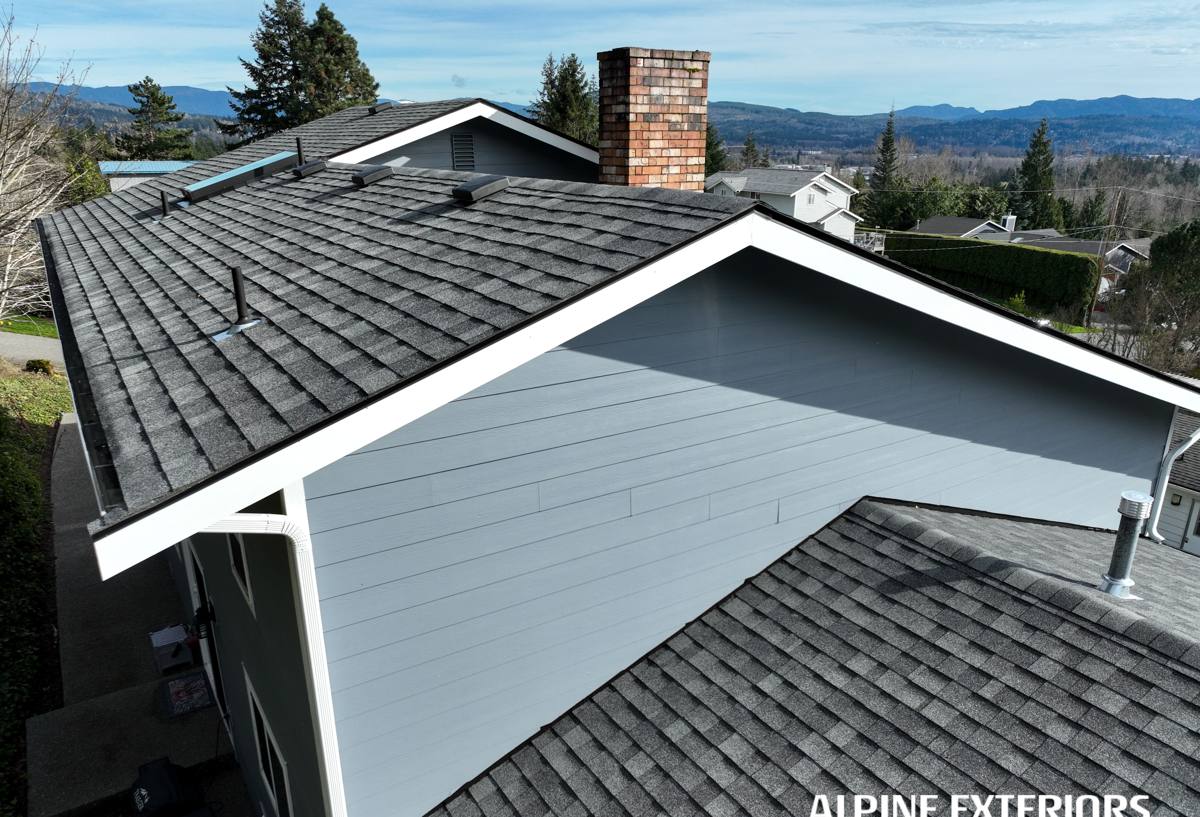
What Barrier Island Exposure Does to a Roof
Before talking about panels and fasteners, it helps to understand the specific stresses a Siesta Key roof is under, because they're not identical to what a roof faces even a few miles away in downtown Sarasota.
Salt Air and Corrosion
Airborne salt from the Gulf settles on every exterior surface on the island, roofs included. Left unmanaged, it accelerates corrosion on metal components — fasteners, flashing, panel edges — faster than in non-coastal areas. This doesn't mean metal roofing is a bad fit; it means the alloy, coating, and fastener choices have to be matched to a marine environment, not a generic inland spec.
UV and Heat
Sarasota County gets intense, nearly year-round sun, and an open barrier island like Siesta Key sees more of it than shaded mainland lots. UV breaks down roofing materials from the surface in, and heat cycling — hot days, cooler nights, afternoon storms — stresses seams, sealants, and fastener points repeatedly over the life of the roof.
Wind and Wind-Driven Rain
When a hurricane or strong tropical system moves through, Siesta Key's exposure to open water means higher sustained wind and more wind-driven rain than a comparable inland location. Roofs here need real uplift resistance, not just code-minimum fastening, and they need a water-shedding system that keeps performing when rain is being pushed sideways under the eaves rather than falling straight down.
Metal Roofing Systems We Install
Not all metal roofing is the same product wearing different colors. The systems differ in how panels attach, how they handle expansion, and how much labor goes into the seams — which is where most metal roof failures actually start.
| System | How It's Fastened | Best Fit |
|---|---|---|
| Standing seam | Concealed clips, no exposed fasteners on the field | Best long-term choice for coastal, wind-exposed homes |
| Metal shingles / tile profile | Interlocking panels, some exposed fastening depending on system | Homeowners wanting a traditional look with metal durability |
| Corrugated / exposed-fastener panel | Screws driven through the panel face into structure | Lower upfront cost; needs disciplined maintenance in salt air |
For direct Gulf-facing exposure on Siesta Key, we generally steer homeowners toward standing seam. Because the fasteners are hidden under the seam rather than punched through the panel face, there are far fewer penetration points for wind-driven rain and salt moisture to work into over the years. Exposed-fastener panels can still be a reasonable, budget-conscious option, but the trade-off is real: those exposed screws and their washers are the first thing salt air attacks, and every one of them is a potential leak point once the seal ages.
What a Correct Installation Involves
Metal roofing gets a reputation for being "bulletproof," but the roof is only as good as what's underneath it and how it's fastened down. A correct job on a coastal home involves several layers most homeowners never see:
Deck and Underlayment
The roof deck gets inspected and repaired before anything goes down — soft or delaminated sheathing is a common find on older Sarasota County homes and has to be addressed, not covered up. Over that goes a high-temperature synthetic or self-adhered underlayment rated for the heat metal roofing can hold, with extra attention paid to sealing every penetration.
Fastening and Uplift
Fastener spacing, clip type, and panel attachment are specified to meet local wind-uplift requirements, not just laid out on a standard pattern. On a wind-exposed island lot this is not a place to cut corners — it's the single biggest factor in whether a metal roof stays on in a major windstorm.
Flashing and Penetrations
Valleys, chimneys, vent stacks, and wall transitions are where the vast majority of roof leaks originate, on any roof type. Metal roofing needs custom-formed flashing at these points, properly lapped and sealed for the direction wind-driven rain actually travels during a storm, not just for normal rainfall.
Ventilation
Proper ridge and soffit ventilation keeps attic heat and moisture from building up under the panels, which protects both the roof assembly and the home's energy efficiency in Sarasota's long, hot season.
Wind Rating and Code Requirements
Sarasota County roofing work is governed by the Florida Building Code's high-velocity and wind-borne debris provisions, and permitted roofing jobs have to meet documented wind-uplift ratings for the specific product and fastening pattern used. This isn't paperwork for its own sake — it's the difference between a roof system that's been tested to perform in hurricane-force wind and one that simply looks similar to a tested assembly.
On Siesta Key specifically, we treat the wind exposure category conservatively given the open water exposure, and we make sure the permit and product approval documentation match what's actually installed on the roof. If a contractor can't show you the product approval for the exact panel and fastening system going on your home, that's worth asking about before signing anything.
Coastal Corrosion Protection
The metal itself matters as much as the shape of the panel. A few specifics we pay attention to on island jobs:
- Panel material and coating rated for coastal/marine environments, not just standard inland-grade product
- Stainless steel or coated fasteners compatible with the panel metal, to avoid galvanic corrosion between dissimilar metals
- Cut edges and field cuts treated or sealed rather than left exposed to bare metal
- Flashing metal matched to the roof panel to prevent corrosion where two metals meet
Mixing incompatible metals — for example, the wrong fastener against the wrong panel alloy — is a common shortcut that causes accelerated corrosion right at the point where it matters most: the attachment holding the roof down.
Our Process for Siesta Key Metal Roofs
- On-site inspection of the existing roof, deck condition, and specific wind/exposure factors for that property
- Written estimate covering system choice, gauge, coating, and fastening spec — not just a single lump-sum number
- Permitting through Sarasota County with documented wind-uplift and product approval for the exact assembly
- Deck repair as needed before any underlayment or panel goes down
- Installation of underlayment, flashing, and panels to the specified fastening pattern
- Final walkthrough and documentation for your records and insurance
We don't sell a single "island package" — the right spec depends on the home's orientation, roof pitch, and how directly it faces open water, all of which we look at on-site rather than quoting from a drive-by.
Maintenance in a Salt-Air Environment
Metal roofing is genuinely low-maintenance compared to most alternatives, but "low" isn't "none," especially this close to the Gulf. A simple annual routine goes a long way:
- Rinse accumulated salt spray off the roof surface periodically, especially after long dry stretches with no rain to do it naturally
- Keep gutters and valleys clear of debris so water isn't sitting against seams or fasteners
- Have fasteners, sealant points, and flashing checked annually — small issues here are cheap to fix and expensive to ignore
- After any major storm, have the roof looked at even if there's no visible leak; wind can loosen fasteners or lift panel edges without an obvious sign from the ground
What It Costs and What Drives the Price
Metal roofing costs more upfront than asphalt shingles, but the gap narrows over the life of the roof given how much less maintenance and how much longer the service life tends to be in a coastal setting. Actual pricing depends on several factors specific to the home:
| Factor | Why It Matters |
|---|---|
| Panel system | Standing seam runs higher than exposed-fastener panel, reflecting the added labor and material |
| Roof complexity | Valleys, dormers, and multiple pitches add flashing and labor time |
| Deck condition | Sheathing repair or replacement adds cost but is not optional if the deck is compromised |
| Coating and gauge | Heavier gauge and marine-grade coatings cost more but hold up longer against salt air |
| Tear-off vs. overlay | Removing an existing roof adds labor but is often the right call for wind performance |
We give homeowners a real, itemized number after looking at the roof, not a rough estimate based on square footage alone — too much of the final cost depends on the specifics above.
Why Local Experience on Siesta Key Matters
A roofing crew that mainly works inland jobs can install a technically sound roof and still miss the details that matter for a barrier island property — the corrosion-resistant fastener spec, the flashing detail that accounts for wind-driven rain coming sideways off the Gulf, the realistic maintenance schedule for salt exposure. Working Sarasota County's coastal communities regularly means those details aren't an afterthought; they're built into how the job gets bid and installed from the start.
If you're weighing metal roofing for a home on Siesta Key, we're happy to come take a look and walk you through what your specific roof needs — no pressure, no generic quote. Reach out below for a free estimate.