 Sarasota Siding
 Roof Repair Built for Siesta Key's Barrier Island Conditions
Siesta Key sits exposed on a barrier island, which means every roof out here takes a harder beating than a comparable roof a few miles inland in Sarasota. Salt-laden air corrodes metal fasteners and flashing faster. Intense, near-constant UV bakes shingles and membrane year-round. Wind-driven rain finds every gap in flashing and underlayment during summer storms. And when a named storm tracks through the Gulf, the wind load on an island roof is a different animal than what a mainland Sarasota County roof deals with. Repairing a roof here isn't just patching a leak — it's addressing a system that's fighting the elements from every direction, all year.
We work on Siesta Key regularly, and the repair calls we get tend to fall into a few consistent categories: storm-damaged flashing and shingles after wind events, slow leaks around penetrations that finally show up as ceiling stains, and corrosion-driven failures in fasteners, drip edge, and valley metal. Understanding which one you're dealing with — and why it happened — is the difference between a repair that lasts and one you'll be calling us about again next season.
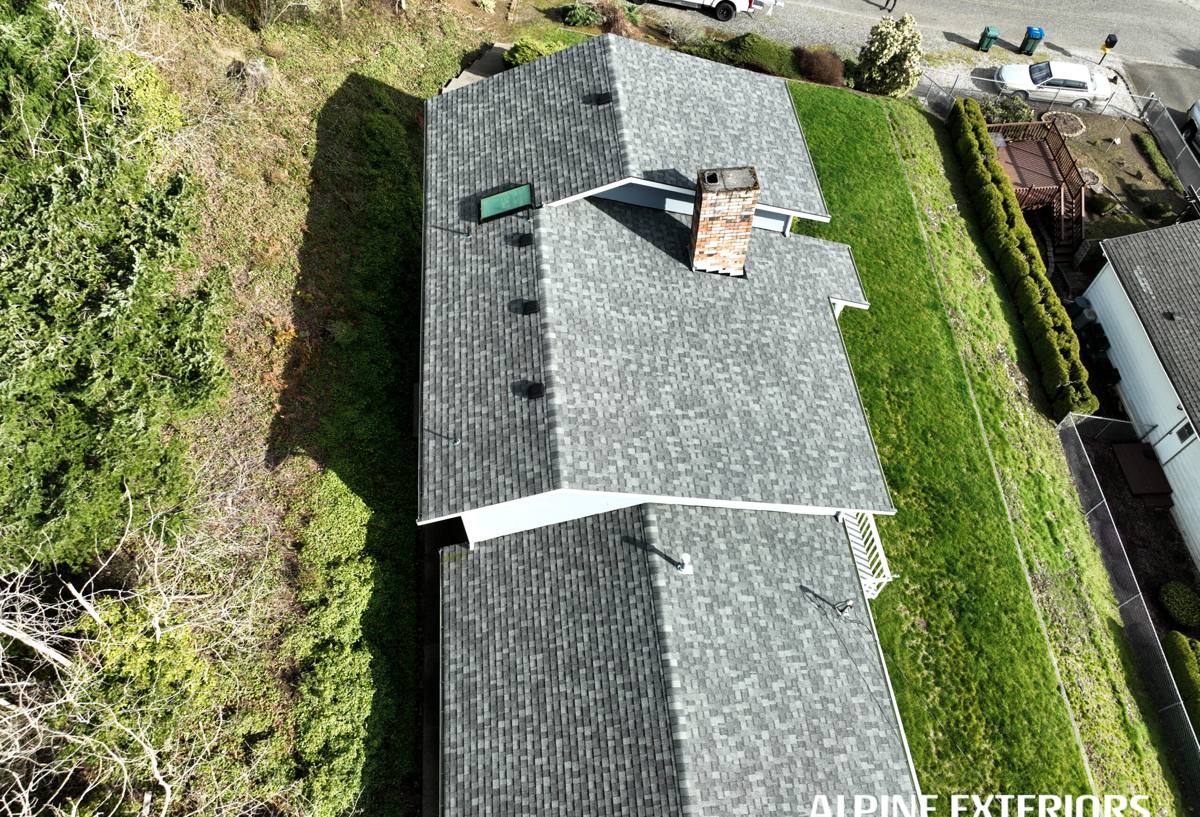
Why Island Roofs Fail Differently Than Mainland Roofs
Salt Air and Corrosion
Metal components on a roof — nails, screws, flashing, drip edge, vent stacks — are constantly exposed to salt in the air, even on homes several blocks from the water. Standard galvanized fasteners can start corroding years before they would on a comparable mainland roof. When we find a leak that traces back to a rusted-through nail head or a flashing seam that's corroded open, it's almost always a sign the roof was built or previously repaired with hardware that wasn't rated for a barrier island environment.
UV Load
Sarasota gets strong sun most of the year, and Siesta Key gets it with less tree cover and more reflected light off open water and sand than a shaded mainland lot. That accelerates the breakdown of asphalt shingle granules, dries out underlayment, and can make sealants brittle years ahead of their expected life. A roof that looks fine from the ground can have granule loss and cracked sealant that only shows up on a close inspection.
Wind-Driven Rain and Storm Load
Straight-down rain rarely causes leaks on a well-built roof. Wind-driven rain is different — it gets pushed sideways and even upward under shingle tabs, through ridge vents, and into any flashing gap. Combine that with hurricane-force gusts that can lift shingle edges or work flashing loose over time, and you get a roof that's slowly being compromised from small, repeated events rather than one catastrophic failure.
What a Correct Roof Repair Actually Involves
A repair that holds up on Siesta Key needs to do more than stop the immediate leak. Our process is built around finding the actual source of the problem, not just the spot where water showed up inside the house — water often travels along the underlayment or decking before it drips somewhere convenient to see.
- Full inspection of the affected area and surrounding roof, not just the visible damage point
- Check of flashing at all penetrations — vent stacks, chimneys, skylights, wall-to-roof transitions
- Inspection of valleys, ridges, and drip edge for corrosion or lifted seams
- Assessment of decking condition underneath damaged shingles or membrane
- Matching repair materials to what's already on the roof where possible, or explaining honestly when an exact match isn't available
- Use of corrosion-resistant fasteners and flashing appropriate for a coastal environment
- Sealing and flashing detail work done to current wind-and-water standards, not just "good enough to stop the drip"
- Photos and a plain-English explanation of what we found and what we did
We're honest when a "repair" isn't the right call. If the underlying decking is soft, if damage is spread across a large percentage of the roof, or if the roof is old enough that a patch will just be chasing the next leak, we'll tell you that directly and lay out the actual options rather than selling a repair that won't hold.
Common Roof Repair Scenarios We See on Siesta Key
Post-Storm Damage
After wind events, the most common calls are lifted or missing shingles, bent or torn ridge cap, and flashing that's been worked loose. Speed matters here — an exposed section of decking left uncovered even for a few days of Florida rain can lead to a much bigger repair than the original wind damage.
Slow Leaks Around Penetrations
Vent stacks, skylights, and chimney flashing are the most common long-term leak points on any roof, and salt air accelerates the breakdown of the sealants and boots around them. These leaks are often intermittent and only show up during certain wind directions or heavier rain, which makes them easy to underestimate.
Corrosion-Driven Fastener and Flashing Failure
This is more specific to barrier island homes than mainland ones. Nail heads, screws, and thin metal flashing can corrode enough to fail structurally — not just cosmetically — years before a homeowner would expect based on the roof's age. This is often found during inspection rather than reported as a symptom, since the visible leak may be minor while the underlying hardware is significantly degraded.
UV-Related Shingle Deterioration
Cracked, curling, or granule-bare shingles in sun-exposed sections of the roof are a sign of accelerated aging. Sometimes a localized repair — replacing the worst-affected section — buys meaningful time. Sometimes it's a sign the whole roof is approaching the end of its service life, and we'll say so.
Roof Repair Cost Factors
Every roof and every leak is different, so we won't quote a number without seeing the roof. What we can tell you is what drives the cost up or down on a typical Siesta Key repair:
| Factor | Why It Matters |
|---|---|
| Roofing material | Asphalt shingle, tile, and metal repairs use different materials, labor, and matching techniques |
| Extent of decking damage | Rotted or soft decking under the damaged area adds material and labor beyond the surface repair |
| Number and type of penetrations involved | Each vent, stack, or skylight flashing detail adds inspection and repair time |
| Access and roof pitch | Steeper or harder-to-access roof sections take longer and require more safety setup |
| Age and condition of surrounding roofing | An older roof may need more extensive tie-in work to blend a repair properly |
| Material matching | Sourcing a close match to existing shingles or tile can affect cost and timeline |
As a rough guide, small isolated repairs (a section of flashing, a handful of shingles) tend to run in the low hundreds to low thousands of dollars, while larger repairs involving decking replacement or multiple problem areas cost more. We'll always give you a written estimate before any work starts.
Our Process for Siesta Key Roof Repairs
- Contact and scheduling — tell us what you're seeing (stain, drip, missing shingles) and we'll get a time on the calendar, prioritizing active leaks
- On-site inspection — we examine the damage and the surrounding roof area, including attic access where relevant, to find the actual source
- Written estimate — a clear explanation of what we found, what we recommend, and what it costs, with no pressure to decide on the spot
- Repair work — using coastal-appropriate materials and fasteners, matched to your existing roofing where possible
- Final walkthrough — we show you what was done and answer any questions before we consider the job finished
Why Hire a Crew That Already Works Siesta Key
A roofing crew that mostly works inland Sarasota County jobs may not think twice about using standard fasteners or skipping extra corrosion protection on flashing — because on those roofs, it usually doesn't matter for a long time. On a barrier island roof, those same shortcuts show up as failures years earlier. Knowing to spec corrosion-resistant hardware, knowing which flashing details tend to fail first in wind-driven rain, and knowing how UV exposure differs on an open island lot versus a shaded mainland yard all come from experience actually working these roofs, not from a general roofing background.
We're licensed to work throughout Sarasota County, and Siesta Key repairs are a regular part of what we do — not an occasional exception. That matters when it comes to sourcing the right materials the first time and not treating your roof as a generic repair job.
Maintenance Between Repairs
Between storms and scheduled inspections, a few simple habits extend the life of a Siesta Key roof and can catch problems before they become leaks:
- Have the roof visually inspected after any significant wind event, even if you don't see obvious damage
- Keep gutters and valleys clear of debris so water doesn't pool against flashing
- Watch for granule buildup in gutters or downspouts, a sign of accelerating shingle wear
- Check attic spaces periodically for staining or musty odors, which can indicate a slow leak before it reaches the ceiling
- Have flashing and sealant around penetrations checked every couple of years rather than waiting for a visible leak
If you're seeing a stain on the ceiling, missing shingles after a storm, or just want a professional set of eyes on a Siesta Key roof before the next season's weather arrives, we're happy to take a look. Reach out for a free, no-pressure estimate using the form below.