 Sarasota Siding
 Siesta Key's Climate Is Hard on Siding
Siesta Key sits on a barrier island, which means every exterior surface on the house is dealing with conditions that inland Sarasota County neighborhoods simply don't see to the same degree. Salt-laden air moves through the area constantly, humidity stays high most of the year, UV exposure is intense and nearly year-round, and wind-driven rain during Gulf storms and hurricane season pushes moisture into places it was never meant to reach. Siding on the Key isn't just a cosmetic layer — it's the first and most heavily tested line of defense the house has.
That combination is why siding problems tend to show up faster and more aggressively here than in a lot of other parts of Sarasota County. A crack, a gap at a seam, or a piece of trim that's pulled loose doesn't stay a small problem for long. Salt air accelerates corrosion of fasteners and flashing, UV breaks down caulks and sealants faster than manufacturers' general estimates assume, and wind-driven rain finds any opening and drives water behind the cladding instead of running off the surface. Repair work on Siesta Key has to account for all of that, not just patch what's visible.
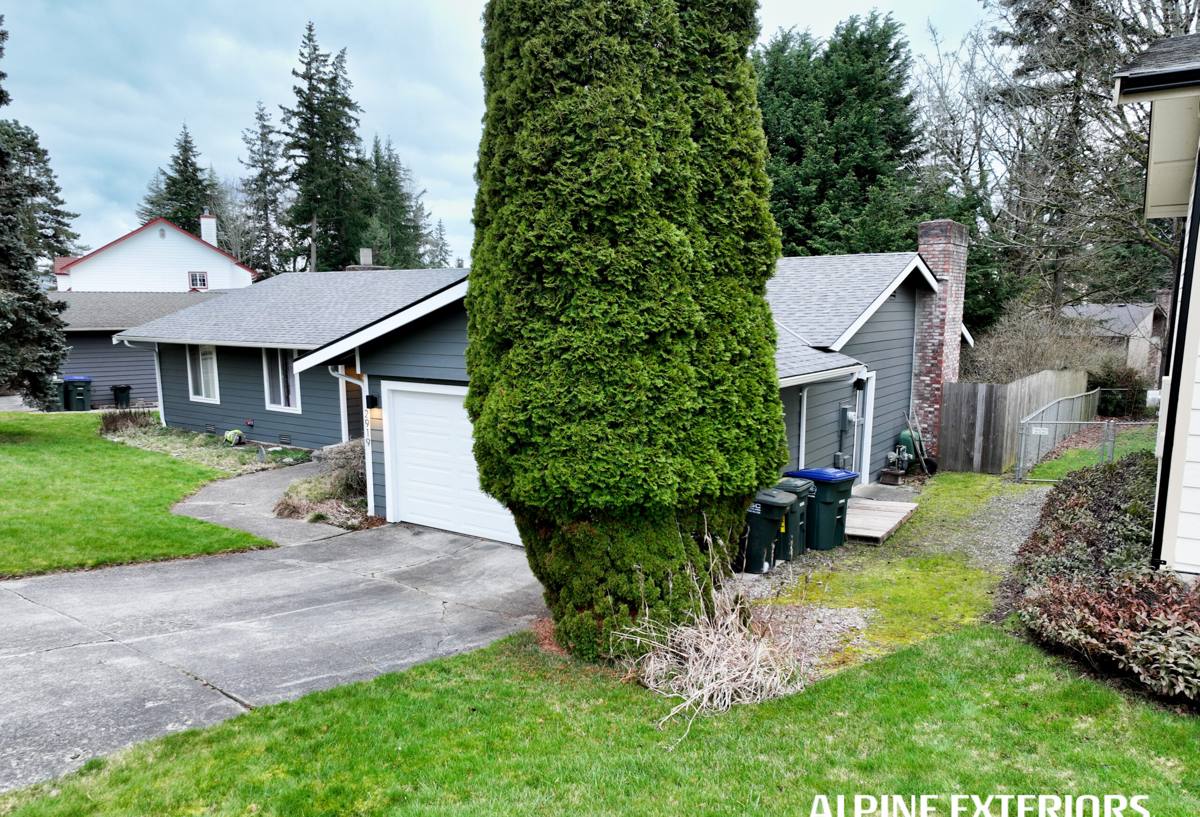
Common Siding Damage We See on Siesta Key Homes
Some of what we run into on siding repair calls in this area is predictable once you understand the environment:
Impact and Storm Damage
Wind-blown debris during Gulf storms, tropical systems, and even routine summer thunderstorms can crack, chip, or dislodge siding panels and trim. Impact damage that isn't addressed quickly becomes an entry point for moisture, and on a barrier island that moisture doesn't take long to cause secondary damage.
Caulk and Sealant Failure
Joints, seams, and trim transitions rely on sealant to stay watertight. Intense year-round UV breaks down sealants faster near the coast than the same products typically last inland, and once a seam opens up, wind-driven rain gets pushed into it under pressure during storms rather than simply running down the wall.
Fastener and Flashing Corrosion
Salt air is hard on metal. Fasteners, flashing, and trim hardware that aren't rated for coastal exposure corrode faster here, and corroded fasteners lose their grip, which lets panels shift, loosen, or separate from the wall assembly.
Moisture Intrusion Behind the Cladding
This is the damage that worries us most, because it's often invisible until it's advanced. Water that gets behind siding through a failed seam, gap, or penetration can sit against sheathing and framing, leading to rot, mold, and structural softening long before a homeowner sees a visible sign on the exterior.
Repair or Replace? How We Make That Call
Not every repair call ends in a repair, and not every problem requires full replacement. We look at the extent of the damage, how much of the wall assembly is affected, the age and condition of the existing siding, and whether the underlying substrate has been compromised.
| Factor | Repair Usually Makes Sense | Replacement Should Be Considered |
|---|---|---|
| Extent of damage | Isolated to a few panels or one section of wall | Widespread across multiple elevations |
| Underlying substrate | Sheathing and framing are dry and sound | Rot, soft spots, or long-term moisture damage found |
| Age of existing siding | Relatively recent, still performing well elsewhere | Near or past its expected service life |
| Material match | Existing product can be reasonably matched | Discontinued profile, color, or product line |
| Storm history | Single isolated event | Repeated damage pointing to a systemic weak point |
A good repair contractor tells you honestly which side of that table your house is on, even when replacement is the more expensive answer. We'd rather lose a bigger job than sell a repair we know won't hold up.
What a Correct Siding Repair Actually Involves
A siding repair that's done right is more than swapping a damaged panel for a new one. On a coastal property especially, cutting that corner is how "repaired" siding fails again within a couple of years.
Diagnose Before You Patch
Before any panel comes off, we look at why the damage happened. Was it a single storm impact, or is it a symptom of a flashing detail or seam that's been letting water in for a while? Replacing the visible panel without correcting the cause just resets the clock on the same failure.
Check What's Behind the Siding
Any time siding is removed for repair, it's a chance to inspect the house wrap, flashing, and sheathing underneath. On Siesta Key, where wind-driven rain and salt-laden humidity are constant pressures, this step matters more than it does inland. If we find moisture damage behind the cladding, we address it before anything new goes back up.
Match Materials and Fasteners Correctly
Mismatched panel thickness, profile, or fastener type creates weak points and can void manufacturer warranties. Fasteners and flashing components need to be appropriate for coastal, salt-air exposure — not just whatever is on hand.
Reseal and Flash to Spec
Every seam, joint, and penetration gets sealed and flashed according to manufacturer installation requirements, not general habit. This is the detail that determines whether the repair holds up through the next hurricane season or opens back up at the first hard rain.
Why We Only Repair With James Hardie Fiber Cement
We install and repair exclusively with James Hardie fiber cement siding. We don't work with vinyl, LP SmartSide, Cemplank, Allura, primed spruce, or cedar, and that standard applies to repair work just as much as new installation. On a barrier island property, the material choice for a repair matters as much as the workmanship.
Fiber cement is non-combustible and dimensionally stable in a way that matters in Florida's heat and humidity swings — it doesn't expand, contract, warp, or absorb moisture the way wood-based products can. James Hardie's ColorPlus factory finish is baked on and engineered to resist the intense UV this area gets nearly year-round, which means a repaired section can hold its color and finish far better than a field-painted patch would. Hardie's HZ5 product line is specifically engineered for high-humidity, storm-prone climates like Southwest Florida, and the company backs its products with a strong transferable warranty when installation follows spec.
When we repair a Hardie home, we're not guessing at compatibility — we know the product system, the fastening requirements, and how to integrate a repair into the existing wall assembly correctly. That's a meaningfully different job than patching a mixed-material exterior with whatever's closest to the damaged spot.
Our Siding Repair Process
- Inspection. We assess the visible damage and check for signs of moisture intrusion, corroded fasteners, or failed sealant nearby — problems on the coast rarely stay isolated to just the obvious spot.
- Diagnosis and honest recommendation. We tell you whether it's a true repair, a larger section replacement, or something that points toward full re-siding, and why.
- Sourcing matched material. We source Hardie panels, trim, and ColorPlus-matched color so the repaired area blends with the rest of the house rather than standing out as an obvious patch.
- Correct removal and substrate check. Damaged material comes off carefully, and we inspect what's underneath before closing anything back up.
- Installation to manufacturer spec. Fasteners, flashing, clearances, and sealant all follow James Hardie's installation requirements for coastal, high-wind exposure.
- Final walkthrough. We review the finished repair with you and point out anything else on the exterior worth keeping an eye on.
Why Local Experience Matters on a Barrier Island
Siesta Key isn't a typical mainland Sarasota neighborhood, and siding repair here benefits from a crew that already understands what that means in practice. Barrier island properties see more sustained salt exposure, more direct wind load during storms, and often stricter attention to storm-readiness given the area's hurricane exposure. A contractor who regularly works Siesta Key and the surrounding Sarasota County coastline already knows which fastener and flashing specs hold up out here, has a feel for how quickly sealant and caulk degrade in this specific environment, and isn't learning those lessons on your house.
There's also a practical side to it: island access, seasonal traffic patterns, and scheduling around storm activity all factor into how a repair job gets planned and completed. A crew with local familiarity plans around that instead of treating it as a surprise.
Protecting Your Repair Going Forward
A correct repair should hold up for years, but coastal exposure means siding in this area benefits from more attention than the same product would need inland. A few habits go a long way:
- Rinse salt residue off exterior walls periodically, especially after storms, rather than letting it sit indefinitely.
- Walk the exterior after any significant wind event and look for loose panels, lifted trim, or open seams.
- Check caulked joints once or twice a year — UV breaks sealant down faster here than general product estimates assume.
- Keep an eye on areas near ground level or downspouts where water tends to splash back onto siding repeatedly.
- Address small issues promptly; on a barrier island, small gaps don't stay small for long.
If you're seeing cracked panels, open seams, loose trim, or signs of water staining on your Siesta Key home's siding, it's worth having it looked at before the next storm season rather than after. We're happy to come take a look, give you an honest read on what's going on, and walk you through the options — no pressure, no obligation. Request a free estimate and we'll get you on the schedule.