 Sarasota Siding
 Decking Built for How Southside Village Actually Lives
Southside Village is one of Sarasota's older, established, walkable neighborhoods — mature tree canopy, smaller lots close to downtown, and a mix of original bungalows and renovated or elevated homes. A deck here has to do two jobs at once: fit a tight, tree-shaded lot the way a bigger suburban yard never has to, and still hold up to everything Sarasota County's climate throws at it. Composite decking is a strong fit for both, but only when it's specified and installed with this neighborhood's specific conditions in mind, not treated the same as a deck build on an open lot with no canopy overhead.
This page covers what a composite deck in Southside Village actually needs, what a correct build involves on a lot like this, and why hiring a crew that already works this neighborhood — not just Sarasota in general — makes a real difference in how the deck performs years down the road.
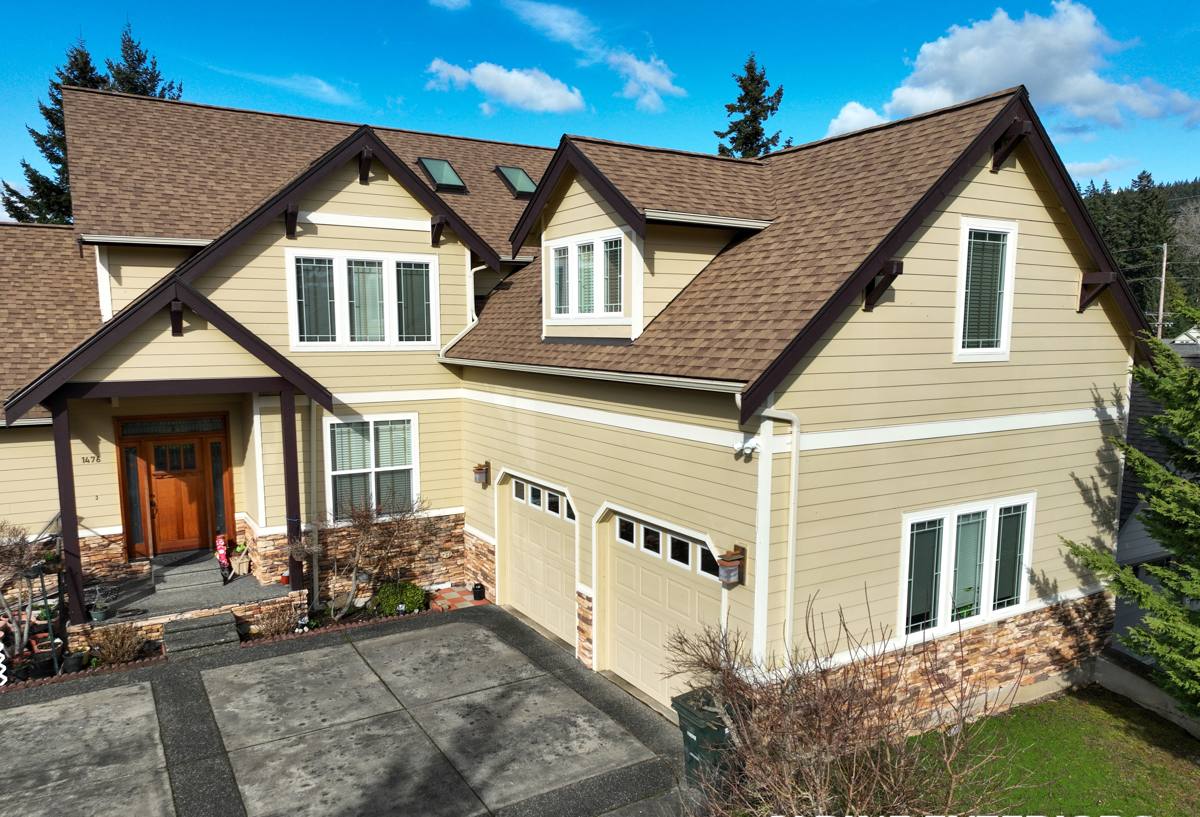
What Southside Village's Conditions Actually Do to a Deck
Mature Tree Canopy Cuts Both Ways
The tree cover that makes Southside Village pleasant to walk through also changes how a deck ages. Shade reduces direct UV exposure on parts of the deck, which sounds like a benefit, but it also slows drying after rain, holds humidity closer to the surface, and drops leaf litter, pollen, and organic debris into board gaps and against the substructure. On a lower-quality or uncapped product, that combination is a recipe for mold and mildew staining in the shaded sections of a deck well before the sunnier sections show any wear at all.
Hurricane-Force Wind and Wind-Driven Rain
Sarasota County sits squarely in Florida's hurricane exposure zone, and that doesn't change because a lot has tree cover or sits a few blocks from the water instead of directly on it. Framing, ledger attachment, and railing systems on a Southside Village deck all need to be sized for real wind loads, not scaled down because the property isn't waterfront. Wind-driven rain during storms also pushes moisture into places straight-down rain never reaches — under railing caps, behind ledger boards, into any gap that isn't properly flashed or gapped.
Salt Air and Year-Round UV
Southside Village isn't a barrier island, but it's still part of the same coastal air mass as the rest of Sarasota County, and salt-laden air moving in off the Gulf and Sarasota Bay reaches inland neighborhoods too, just less aggressively than a beachfront lot. It's still enough, over years, to corrode standard-grade fasteners and hardware faster than they'd wear in a landlocked climate. Add in Florida's intense, near-constant UV load on any part of the deck that does get direct sun, and you have a deck that needs coastal-grade materials even though it isn't sitting on the waterfront.
Older Homes and Tighter Lots
Because Southside Village is an established neighborhood rather than new construction, decks here are frequently additions to older homes — tied into existing framing, working around mature landscaping and root systems, and built on lots with less room to stage materials or equipment than a newer subdivision. None of that is a problem for a crew that plans for it, but it does change how a project gets sequenced compared to a wide-open new-build lot.
What "Composite Decking" Actually Means
Composite decking is generally a blend of wood fiber and plastic, but the ratio, plastic type, and surface finish vary significantly between manufacturers. Two distinctions matter most for a shaded, humid lot like the ones common in Southside Village.
Capped vs. Uncapped
Capped composite boards have a protective plastic shell wrapped around the wood-plastic core, which resists moisture absorption, staining, and mold growth. Uncapped composite is the older style of the product, exposed on all sides, and it absorbs moisture and stains more readily — a real liability in the shaded, humid pockets a tree-covered lot tends to create. We standardize on capped composite for Southside Village installs for this reason specifically.
PVC as an Alternative
Fully cellular PVC decking contains no wood fiber at all, so it resists moisture absorption completely, which can be an advantage in the shadiest, slowest-to-dry sections of a lot. It generally costs more and can flex slightly more under heavy point loads than composite. We'll talk through whether capped composite, PVC, or a mix of both across different parts of the deck makes the most sense for a specific lot's sun and shade pattern.
What a Correct Composite Deck Build Involves Here
The visible boards get most of the attention, but on a shaded, older-neighborhood lot, the substructure and detailing decide whether the deck actually lasts. A build done right for Southside Village conditions includes:
- Framing material rated for Florida ground-contact and moisture exposure, sized for real hurricane wind loads rather than a minimum-code shortcut
- Stainless steel or coated coastal-grade fasteners throughout, since even inland Sarasota County lots see enough salt air over time to matter
- Hidden fastener systems where the product allows, reducing exposed metal and giving cleaner drainage across the board surface
- Board gapping sized correctly for both thermal movement and drainage, since a shaded deck already dries more slowly than one in full sun
- Ledger flashing and attachment detailed correctly where the deck ties into an older home's existing framing
- Joist spacing matched to the specific composite product's span rating, not a generic wood-framing layout
- Ventilation and clearance under the deck so leaf litter and organic debris don't trap moisture against the framing
- Layout and staging planned around a tighter lot, mature trees, and root systems without damaging landscaping that took years to establish
Skip any of these and the deck usually still looks fine on day one. The problems show up years later — soft framing where debris collected against a joist, a loosening railing post, or fastener corrosion staining the boards around it.
How Our Process Works
We start with a site visit to see the actual lot: existing framing condition if it's a replacement, how sun and shade move across the deck area through the day, drainage and grade, and how the layout ties into the house and any established trees or landscaping worth working around. From there we go through composite product options that fit the budget, the amount of shade the deck will sit in, and how the space will actually get used.
Permitting in the City of Sarasota and Sarasota County follows Florida's wind-load and coastal construction requirements, and older homes can occasionally need extra review depending on the property's history. We handle that permitting as part of the job. Once permitted, the build follows the sequence above — substructure and framing first, sized for the site's real exposure, then the composite surface, railing, and any trim work. We close with a walkthrough covering what the specific product actually needs for upkeep, which is minimal but not zero, especially in a shaded yard.
Composite Decking Compared to the Alternatives
| Material | How It Handles Shade, Humidity & Salt Air | Maintenance | Typical Lifespan Here |
|---|---|---|---|
| Capped composite | Strong — cap layer resists moisture absorption, staining, and mold in shaded areas | Occasional washing; no sealing or staining | Long-term, backed by manufacturer warranty |
| Cellular PVC | Excellent — no wood fiber to absorb moisture even in the shadiest sections | Occasional washing; no sealing or staining | Long-term, generally at a higher upfront cost |
| Uncapped composite | Moderate — more prone to mold and staining where shade slows drying | Periodic cleaning to manage mildew and staining | Shorter than capped products in humid, shaded spots |
| Pressure-treated wood | Weak — absorbs moisture readily, especially where shade slows evaporation | Regular sealing or staining required | Shortest, with the most ongoing upkeep |
| Tropical hardwood | Good natural density, but still needs finish upkeep against humidity and UV | Periodic oiling to prevent graying and mildew | Long if maintained; degrades faster if neglected |
What Drives Cost on a Lot Like This
| Factor | Why It Matters in Southside Village |
|---|---|
| Access and staging | Tighter, tree-lined lots can mean more hand-carrying material and slower staging than an open lot |
| Tie-in to existing framing | Additions on older homes often need extra framing or ledger work to match what's already there |
| Grade and drainage | Established landscaping and mature trees can affect how water moves under and around the deck |
| Sun/shade split across the deck | A deck partly in full sun and partly shaded may call for different products or extra drainage detailing in different zones |
| Size and railing scope | Larger decks and elevated sections with railing add material and labor regardless of neighborhood |
What Composite Decking Still Needs From You
Composite decking is low-maintenance, not maintenance-free, and a shaded, tree-lined lot has its own upkeep rhythm:
- Sweep or blow off leaf litter and organic debris regularly, since it holds moisture against the board surface longer in shaded areas than it would in full sun
- Rinse the surface periodically to clear pollen, salt residue, and grime before it stains the cap layer
- Keep gaps between boards clear so water and airflow can move through as designed, especially under tree canopy
- Check railing hardware annually for early corrosion or loosening, particularly after storm season
- Trim back branches or landscaping that hang low over the deck or block airflow underneath it
- Address any framing concerns — soft spots, standing moisture underneath — right away, since that's structural, not cosmetic
Why It Matters That We Already Work Southside Village
A crew that mainly builds on open, new-construction lots can still install composite decking competently, but Southside Village's older homes, mature tree cover, and tighter lots bring up questions that don't come up as often elsewhere — how to tie new framing into an original structure correctly, how to lay out a build around established trees without harming them, and how to detail drainage on a deck that spends part of its day in shade. Working this neighborhood regularly means we're not guessing at any of that. We know what fastener grade holds up here, how the City of Sarasota's permitting process handles projects on older lots, and which composite lines actually resist mold and staining in shaded, humid conditions rather than just performing well on a spec sheet.
That familiarity also shows up in the honest parts of the conversation — telling you plainly when a shadier section of your yard calls for a different product or extra drainage detailing, instead of installing the same spec across the whole deck and letting you find out the hard way which parts hold up and which don't.
Get a Straight Answer About Your Deck
Whether you're replacing an aging wood deck, adding one to an older Southside Village home, or just want an honest read on what a composite deck would take on your lot, we're happy to walk the site with you and lay out the options plainly. Reach out below for a free, no-pressure estimate.