 Sarasota Siding
 Deck Repair Built for Southside Village Homes
Southside Village sits close enough to Sarasota Bay that every deck in the neighborhood is doing double duty: holding up your family's weight and standing up to some of the harshest outdoor conditions in the state. Between the intense year-round UV, the salt-laden air rolling in off the water, and the wind-driven rain that comes with our Gulf Coast storm season, decks here age faster than the same structure would fifty miles inland. We repair decks throughout this part of Sarasota, Sarasota County, and we've seen firsthand what this specific combination of sun, salt, and moisture does to wood, fasteners, and framing over time.
This page is about deck repair specifically — not full rebuilds, not new construction. Most decks we're called out to in Southside Village don't need to be torn out and replaced. They need targeted, correctly diagnosed repair work done by someone who understands why the damage happened in the first place, not just where it's visible.
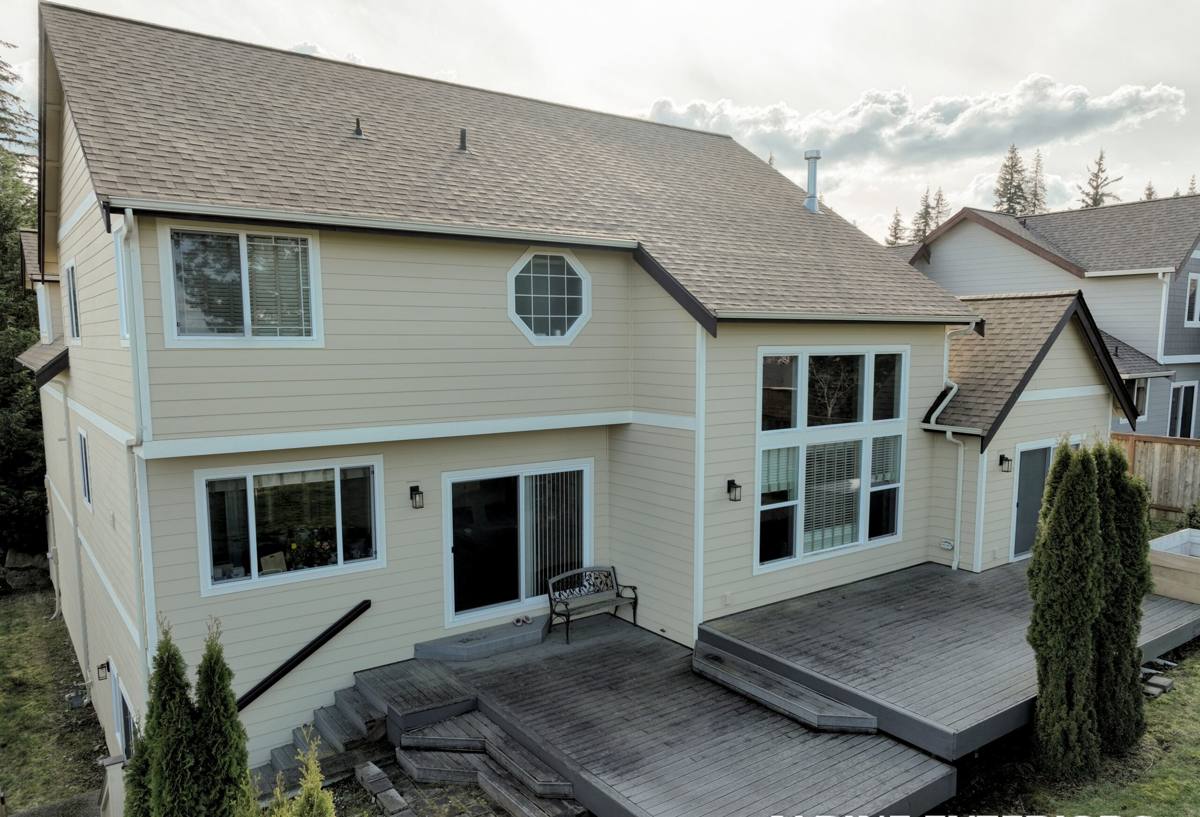
What Southside Village's Climate Does to a Deck
A deck in this neighborhood is exposed to a different set of stresses than a deck in, say, north Georgia or inland Florida. Understanding these is the difference between a repair that lasts and one that fails again in a year or two.
Salt Air and Metal Fasteners
Proximity to the bay means a steady drift of salt-laden air across every exposed surface. Salt accelerates corrosion in nails, screws, joist hangers, and structural connectors — often from the inside out, where you can't see it until a board starts to feel spongy or a railing gets loose. Non-marine-grade fasteners installed years ago are a common culprit behind soft spots and wobbly framing we find during inspections.
UV Exposure, Nearly Year-Round
Sarasota's sun isn't seasonal the way it is up north — deck surfaces here take a beating in almost every month of the year. UV breaks down the lignin in wood fibers and dries out finishes, leading to graying, splintering, and surface checking (those small parallel cracks along the grain). Composite decking isn't immune either; UV can fade color and, on lower-quality boards, contribute to surface degradation over time.
Wind-Driven Rain and Moisture Cycling
Rain that comes in sideways during a squall gets driven into places a straight-down rain never would — under railings, behind fascia boards, into end-grain cuts that weren't properly sealed. Combine that with our humidity and the daily heat-up/cool-down cycle, and you get wood that's constantly swelling and shrinking. That movement loosens fasteners, opens up gaps at ledger boards, and is a leading cause of rot starting at connection points rather than open board surfaces.
Hurricane-Force Wind Loading
Even decks that never take direct storm damage still get stressed by repeated high-wind events throughout the season. Railings, stair stringers, and ledger connections absorb racking forces that can loosen structural connections without any obvious sign from the top side. This is exactly the kind of damage a surface-level look will miss.
The Repairs We See Most Often in This Area
- Ledger board separation or softness — where the deck attaches to the house, a high-risk area for trapped moisture
- Corroded or failing fasteners — nails and screws that have rusted, backed out, or lost holding strength
- Soft or rotted decking boards, often near the perimeter or anywhere water pools after rain
- Loose or wobbly railings and posts, frequently a wind-loading or moisture issue at the connection point
- Cracked, checked, or splintering surface boards from sustained UV exposure
- Stair stringer and tread issues, especially on decks with any grade change toward the yard
- Under-deck framing corrosion at joist hangers and beam connections, usually invisible until inspected from below
What a Correct Deck Repair Actually Involves
A repair that just replaces the board you can see is a patch, not a fix. Here's what we actually do when we diagnose and repair a deck in Southside Village.
1. Full Structural Inspection, Not Just a Surface Look
We get underneath the deck wherever access allows and check ledger attachment, joist hangers, beam connections, and post bases — the parts that fail first in this climate but show the least visible warning. We probe suspect boards with a screwdriver or awl rather than relying on a visual check alone, since rot under a sound-looking finish is common here.
2. Identify the Cause, Not Just the Symptom
If a board is soft, we want to know why. Is it a flashing failure at the ledger letting water behind the house band? Is it standing water from poor drainage? Is it a fastener that corroded and let the board shift, opening a gap that collects moisture? Replacing the board without fixing the cause just buys you a few more years before the same repair.
3. Match Materials and Fasteners to the Environment
Given the salt air here, we use fasteners and hardware rated for coastal exposure rather than standard-grade hardware that will corrode again in a fraction of the time. Replacement boards are matched to the existing decking material where possible, and any end cuts get properly sealed — end grain is the fastest path for water into a board.
4. Address Drainage and Ventilation
A lot of rot problems come back because the underlying moisture problem was never solved. Where we can, we improve airflow under low decks, correct grading or drainage issues nearby, and make sure water isn't being trapped against framing by debris or vegetation.
5. Verify Structural Integrity Before We Call It Done
Railings get load-tested by hand, connections get re-checked, and any fasteners we touched get verified for proper seating. We're not satisfied with a deck that looks fixed — we want one that's actually sound.
Repair vs. Replacement: How We Make the Call
| Factor | Usually Repairable | Usually Needs Replacement |
|---|---|---|
| Extent of rot | Isolated boards or single connection points | Widespread soft framing across multiple joists/beams |
| Structural framing | Sound, with a few corroded fasteners | Joists or beams compromised, not just decking |
| Ledger condition | Solid attachment, isolated flashing issue | Ledger board itself is rotted or pulling from the house |
| Age of deck | Under 15-20 years, built to reasonable code | Older deck with outdated fastening methods throughout |
| Cause of damage | Fixable moisture or drainage issue | Chronic, unaddressed water intrusion over many years |
Most of the calls we get in Southside Village fall into the "repairable" column — but the only way to know for sure is a hands-on inspection. We'll always tell you honestly if a repair isn't the right call, rather than patching something that needs more.
Why It Matters That We Already Work This Neighborhood
A crew that already works Southside Village and the surrounding Sarasota area isn't guessing about how fast salt corrodes fasteners here, or how much UV a deck surface takes on this stretch of the Gulf Coast. That familiarity shows up in small but important decisions — which hardware grade to use, where to expect hidden moisture damage, how to sequence repairs around our storm season. It also means we're not learning coastal Florida's building demands on your project; we've already seen the patterns across other decks in the area.
We also know that a deck here has to hold up to more than a typical backyard structure elsewhere in the country. That's not a sales pitch — it's just the honest reality of building and repairing outdoor structures in Sarasota County, where hurricane-force wind events, sustained UV, and salt air are part of the yearly cycle, not the exception.
A Simple Maintenance Checklist Between Repairs
Once your deck is repaired, a little regular attention goes a long way toward avoiding the next round of damage in this climate.
- Walk the deck a few times a year and check for soft spots, popped fasteners, or loose railings
- Keep debris and vegetation from piling up against framing or in gaps between boards
- Check that gutters and downspouts near the deck aren't dumping water onto or under it
- Reseal or refinish wood decking on the manufacturer's recommended schedule, given our UV exposure
- After any major storm, do a quick visual check of railings, stairs, and ledger attachment
- Address small issues — a loose board, a rusted screw head — before the next wet season rather than after
What to Expect When You Call Us
We start with a straightforward, no-pressure look at your deck. We'll walk it with you, point out what we find above and below, explain what's driving the damage, and give you an honest recommendation — repair, and what that repair actually involves, or a plain explanation if replacement genuinely makes more sense. There's no upsell script here; our reputation in Southside Village and the rest of Sarasota depends on giving people a straight answer.
If you've got a deck in Southside Village that's showing soft boards, loose railings, rusted hardware, or just general wear from the sun and salt air, we'd rather take a look now than have you deal with a bigger repair later. Reach out for a free, no-pressure estimate using the form below, and we'll get you a clear picture of what your deck needs.