 Sarasota Siding
 Venice Roofs Work Harder Than Most
A roof in Venice earns its keep. Between hurricane-force wind events, months of intense subtropical UV, wind-driven rain that finds every weak seam, and the slow corrosive drip of salt air off the Gulf, an asphalt shingle roof here is under constant low-grade attack even in a quiet year. None of that means asphalt shingles are a poor fit for this part of Sarasota County — they remain one of the most cost-effective, widely available roofing systems on the market. It means the installation has to be done correctly, with the right materials and fastening for this specific climate, or the roof will show its age far faster than it should.
This page covers what a properly built asphalt shingle roof looks like for a Venice home, how we approach the job, and why local, hands-on experience with this area's conditions matters more than a glossy brochure.
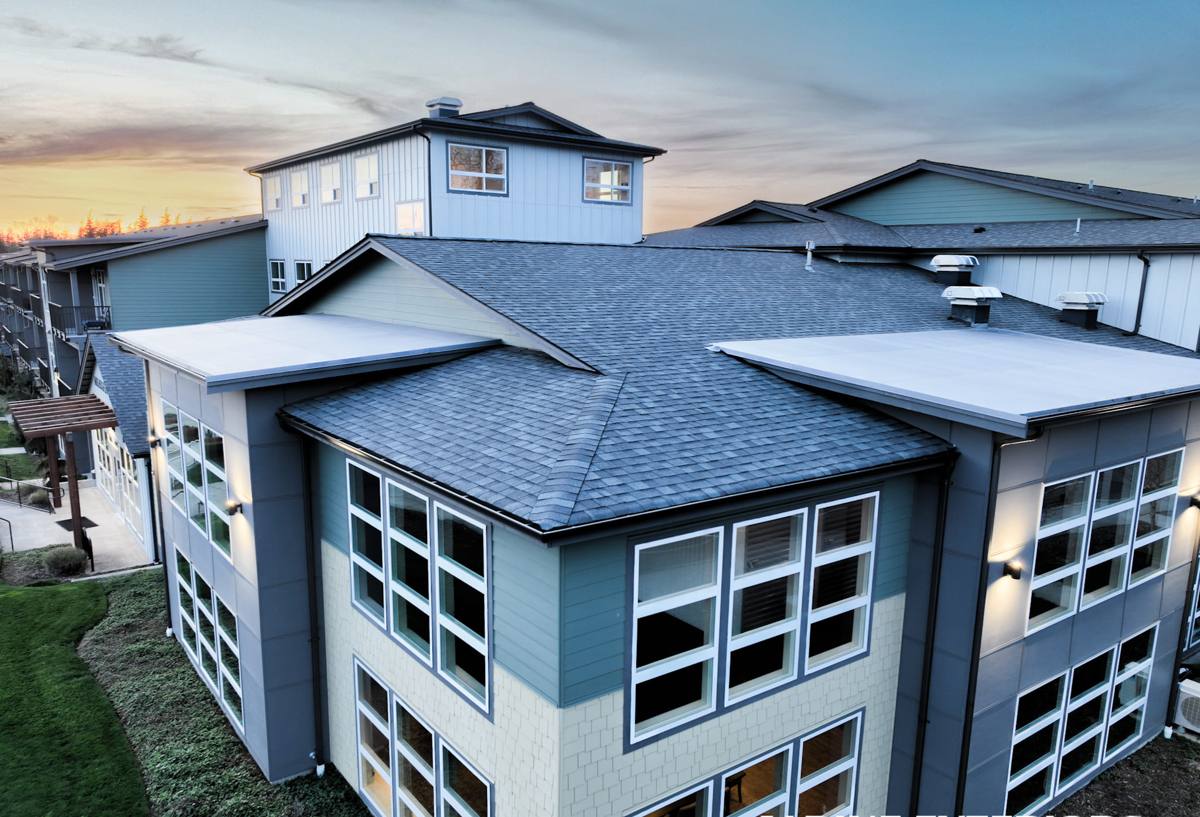
What Venice's Climate Actually Does to a Roof
Wind
Venice sits in a wind zone where Florida Building Code requires roofing assemblies to be rated for high-velocity gusts, not just the standard wind speeds used further inland. A shingle roof that isn't installed to the correct nailing pattern and wind rating for this area can lose tabs, or worse, entire courses, in a strong storm — long before it reaches the end of its rated life.
UV and Heat
Sarasota County gets sun exposure that's brutal on asphalt. UV breaks down the oils in shingle asphalt over time, and repeated heating and cooling cycles cause granules to loosen and shingles to become brittle. Lighter, reflective shingle colors and proper attic ventilation both slow this process; dark shingles on a poorly ventilated attic age noticeably faster.
Wind-Driven Rain
Rain that comes in sideways during a squall line doesn't behave like a normal rain event. It gets pushed uphill under shingle tabs and into any gap in the underlayment, valleys, or flashing. This is why underlayment choice and detail work at penetrations matter as much as the shingles themselves.
Salt Air
Even homes that aren't waterfront pick up airborne salt this close to the coast. Salt accelerates corrosion on exposed metal — nails, flashing, vent stacks, and drip edge — which is why fastener and flashing material selection isn't a minor detail on a Venice roof; it's part of the job.
What a Correctly Built Asphalt Shingle Roof Includes
A shingle roof isn't just shingles nailed to plywood. In a market with Venice's weather, every layer of the system has a job to do:
- Wind-rated architectural shingles matched to the local wind zone requirement, not a generic national minimum
- Synthetic or self-adhering underlayment that resists tearing and keeps water out even if a shingle is lost
- Sealed valleys using metal or self-adhered membrane, since valleys carry more water volume than any other part of the roof
- Corrosion-resistant flashing and fasteners around chimneys, walls, and penetrations to hold up against salt air
- Proper starter strip and drip edge at eaves and rakes, the first thing wind tries to get under
- Balanced attic ventilation (intake and exhaust) to reduce heat buildup and extend shingle life
- Correct nailing pattern — nail count and placement matter more to wind performance than almost anything else on the roof
Skip any one of these and the roof may look fine for a year or two, then fail exactly where the shortcut was taken.
Signs a Venice Home Needs Roofing Attention
Homeowners usually notice one of the following before a full failure happens. Worth a call if you're seeing:
- Granules collecting in gutters or at downspout runoff points
- Shingles that look cupped, curled at the edges, or visibly brittle
- Bald or shiny patches where the granule layer has worn thin
- Soft spots or discoloration on interior ceilings after heavy rain
- Missing or lifted tabs after a windstorm, even a minor one
- Visible rust streaking from nail heads or flashing
- A roof approaching 15-20 years old with no major work done
Catching these early is almost always cheaper than waiting for a leak to show up inside the house.
Our Asphalt Shingle Roofing Process for Venice Homes
1. Inspection and Honest Assessment
We start by getting on the roof, not just looking at it from the driveway. We check the deck condition, existing ventilation, flashing detail, and what's actually driving any current problem before recommending a repair or full replacement.
2. Written Scope and Straight Numbers
You get a clear written scope: shingle brand and line, underlayment type, flashing plan, and ventilation approach, with a price that reflects what's actually going on this roof — not a one-size-fits-all package.
3. Tear-Off and Deck Check
Full tear-off to the deck on replacements, because covering a bad problem with new shingles just delays it. Any soft or rotted decking gets replaced before anything new goes down.
4. Underlayment and Flashing First
This is where most of the storm resistance actually comes from. Valleys, penetrations, and wall flashing get sealed and detailed before a single shingle is installed.
5. Shingle Installation to Wind-Rated Spec
Shingles go down with the nailing pattern and fastener count required for this wind zone — not the minimum the shingle manufacturer allows nationally.
6. Final Walkthrough
We walk the finished roof and the site with you, confirm ventilation is working as intended, and make sure the cleanup is complete before we call the job done.
Choosing a Shingle for Venice's Climate
Not every shingle product performs the same way in coastal, high-UV, high-wind conditions. Here's how the main options generally compare for a home in this area:
| Shingle Type | Wind Performance | UV/Heat Durability | Typical Lifespan Here |
|---|---|---|---|
| 3-Tab Shingles | Lower wind rating, more prone to lifting | Thinner profile wears faster under intense sun | Shorter end of the range |
| Architectural (Laminate) Shingles | Higher wind rating, better tab-to-tab bond | Thicker, more UV-resistant construction | Longer end of the range with proper install |
| Impact-Resistant Architectural | Strongest wind and debris performance | Reinforced mat holds up well to heat cycling | Longest, often paired with insurance credits |
We generally steer homeowners toward architectural shingles for this area given the wind and UV exposure, and discuss impact-rated options where the added upfront cost makes sense against long-term durability and potential insurance savings.
What Drives the Cost of a Venice Roofing Job
| Factor | Why It Matters |
|---|---|
| Roof size and pitch | More surface area and steeper pitches increase material and labor time |
| Number of layers to remove | Tear-off of existing layers adds labor and disposal cost |
| Deck condition | Rotted or soft decking requires replacement before shingles go down |
| Shingle tier chosen | 3-tab, standard architectural, and impact-rated products carry different material costs |
| Flashing and penetration count | Chimneys, skylights, and multiple roof planes add detail work |
| Ventilation upgrades | Adding or correcting intake/exhaust balance affects labor and materials |
We don't quote a Venice roof off a satellite photo. A price you can actually rely on comes from someone walking the roof and deck in person.
Why Hiring a Crew That Already Works This Area Matters
Sarasota County's permitting requirements, wind-zone code, and inspection process aren't identical to what a crew from another part of the state deals with day to day. A contractor who regularly works Venice and the surrounding area already knows the local wind rating requirements, has a working relationship with the permitting office, and has seen firsthand how different shingle products actually hold up on homes exposed to this coastline — not just what a manufacturer's spec sheet claims. That local track record shows up in fewer surprises during the job and a roof that's actually built for what it's going to face.
Simple Maintenance That Extends Roof Life Here
- Clear gutters and valleys before hurricane season each year
- Have the roof visually inspected after any major wind event
- Trim overhanging branches that can drop debris or hold moisture against the roof
- Watch for granule buildup in gutters as an early wear signal
- Address small flashing or sealant issues promptly, before wind-driven rain finds them
None of this replaces a professional inspection, but it catches obvious problems between visits and helps a well-installed roof reach its full lifespan.
If your Venice home's roof is showing wear, was damaged in a storm, or you're simply due for an honest look, we're happy to walk it with you and give a straightforward, no-pressure estimate. There's no cost or obligation to find out where you stand — the form below gets you started.