 Sarasota Siding
 Roof Repair Built for Venice's Climate, Not a Generic Checklist
Venice sits on the Gulf Coast in Sarasota County, which means the roof over your head is doing more work than a roof in most other parts of the country. It's absorbing intense, near-constant UV that breaks down shingle granules and dries out tile underlayment. It's shedding wind-driven rain that finds every gap in flashing and fastener penetration. And it's living in a salt air environment that quietly corrodes exposed metal — nail heads, drip edge, vent stacks, valley metal — faster than inland homes ever experience. When a hurricane or tropical system pushes through, that same roof has to hold up against sustained wind and uplift forces that a lot of roofing work simply isn't built to survive.
A "repair" that ignores all of that isn't really a repair — it's a patch that buys you a year or two before the same leak comes back, usually during the next storm. This page is about what an actual, correct roof repair looks like for a Venice home, and why the crew doing that work should already understand this specific coastline.
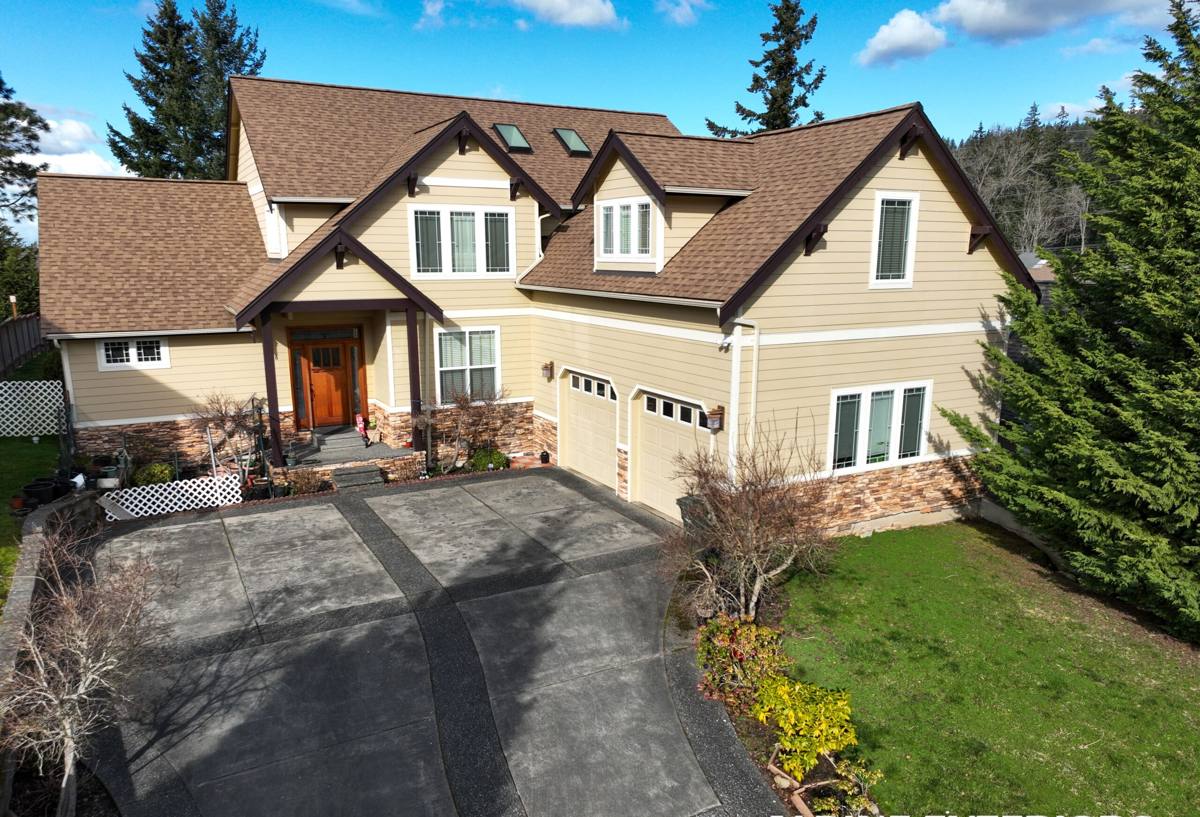
Common Roof Repair Issues We See in Venice Homes
Shingle Roofs
Asphalt shingle roofs in this area tend to show granule loss and brittleness well before the manufacturer's rated lifespan, simply because of the UV load. Once shingles lose their granule coat, the mat underneath is exposed and starts to crack, curl, or blow off in lighter winds than you'd expect. Wind-lifted or missing shingles are one of the most common repair calls we get, especially after a squall line or tropical storm passes through.
Tile Roofs
Tile is popular in this part of Florida and the tile itself often outlasts everything underneath it. The real weak point is the underlayment and the flashing details around penetrations, valleys, and walls. Cracked or slipped tiles, deteriorated underlayment, and failed pipe boots are the recurring issues — the tile can look fine from the ground while water is already getting underneath it.
Flat and Low-Slope Sections
Many homes have a porch, lanai, or addition with a flat or low-slope roof section. These areas pond water, and seams, drains, and terminations take the brunt of both UV breakdown and wind-driven rain. Repairs here need to address drainage, not just patch the visible crack.
What a Correct Roof Repair Actually Involves
A quality repair starts with figuring out where water is actually entering, which is often nowhere near where the stain or drip shows up inside. Water travels along the underlayment, framing, and roof deck before it finds a way in, so a repair that only addresses the visible symptom frequently misses the real entry point.
A correct repair, at minimum:
- Traces the leak path back to its actual source, not just the visible damage
- Removes and replaces damaged underlayment and decking, not just the surface material
- Reseals or replaces flashing at valleys, walls, chimneys, and penetrations with corrosion-resistant metal
- Matches shingle or tile color and profile as closely as possible so the repair doesn't stand out
- Reinstalls fasteners and pipe boots to current wind and water standards, not just however the original was done
- Confirms the surrounding roof area isn't showing early signs of the same failure
Skipping any of these steps is how a "fixed" leak turns into a repeat service call a year later.
Signs Your Venice Roof Needs Repair Now
Some roof problems are obvious. Others sit quietly for months while damage spreads underneath. Watch for:
- Water stains or discoloration on ceilings or interior walls, especially after heavy rain
- Missing, cracked, curling, or lifted shingles
- Cracked, slipped, or missing roof tiles
- Granules collecting in gutters or at downspout outlets
- Rust streaking from metal flashing, vents, or fasteners
- Soft or spongy spots when walking a flat or low-slope section
- Daylight visible through the attic at roof boards or flashing joints
- A musty smell in the attic or top-floor rooms
Any one of these is worth a look before it turns into a bigger repair, especially heading into storm season.
Repair vs. Replacement: How We Help You Decide
Not every roof problem calls for full replacement, and not every leak should be treated with a patch. The honest answer depends on the roof's age, how widespread the damage is, and how much of the underlying structure is still sound.
| Factor | Repair Usually Makes Sense | Replacement Usually Makes Sense |
|---|---|---|
| Roof age | Well within expected service life | At or past the end of its expected life |
| Extent of damage | Isolated to one area or penetration | Spread across multiple sections |
| Underlayment condition | Still intact outside the repair zone | Widely deteriorated or brittle |
| Decking condition | Solid, no soft spots | Soft, delaminated, or rotted in multiple spots |
| Storm damage pattern | Localized wind or impact damage | Uplift or damage across the field of the roof |
| Insurance involvement | Minor claim or out-of-pocket fix | Adjuster has documented widespread damage |
We'll tell you plainly which side of that table your roof falls on. If a repair is the honest answer, that's what we'll recommend — there's no benefit to either of us in replacing a roof that doesn't need it.
Our Roof Repair Process
Inspection
We start on the roof itself, not just from the ground or from photos. That means checking the field of the roof, the flashing details, the attic underside where accessible, and any areas you've flagged as problem spots.
Straight Answer and Written Quote
You get a clear explanation of what's actually wrong, what's causing it, and what it will take to fix correctly — in writing, before any work starts. No pressure to upsell into a full replacement if a repair will genuinely hold up.
The Repair Itself
We remove damaged material back to sound decking, address the underlayment and flashing, and rebuild the repair area to match the surrounding roof as closely as possible in both material and workmanship.
Cleanup and Follow-Up
Job site debris, nails, and old material get cleared from the yard and gutters. We stand behind the workmanship on the repair and are straightforward about what that covers.
Materials and Fasteners We Use, and Why
In a coastal environment, the hardware matters as much as the shingle or tile. Standard fasteners and thin flashing corrode faster in salt air, and once fasteners start to fail, the roof covering above them loses its grip in exactly the wind conditions it needs to hold up against. We use corrosion-resistant fasteners and flashing appropriate for coastal exposure, and we don't cut corners on underlayment quality just to save a few dollars on a repair — that underlayment is the actual waterproofing layer once the surface material is compromised at all.
We're also careful about matching existing materials on a repair. A patch in a visibly different shingle color or tile profile is a cosmetic problem you'll notice every time you pull into the driveway, and we treat that as part of doing the job right, not an optional extra.
Why Local Experience in Venice Matters
Roofing rules and expectations shift depending on wind zone, local permitting requirements, and how a particular neighborhood tends to be built. A crew that regularly works in Venice and the surrounding Sarasota County area already knows the permitting process, the inspection expectations, and the kind of damage patterns that show up here after wind and rain events — versus a crew that's guessing based on general Florida experience or, worse, experience from outside the state entirely.
That local familiarity also means faster response after a storm. When wind-driven rain gets under a section of roof during a tropical system, the difference between a contractor who already knows the area and one who has to figure it out from scratch can be the difference between a contained repair and a much bigger interior damage bill.
Maintenance That Extends Your Roof Between Repairs
A few habits go a long way in this climate:
- Keep gutters and downspouts clear so water doesn't back up under roof edges
- Trim back overhanging branches that drop debris and hold moisture against the roof surface
- Have the roof looked at after any major wind event, even if nothing looks obviously wrong
- Address small leaks immediately rather than waiting to see if they get worse — they generally do
- Schedule a periodic inspection rather than waiting for a visible problem to force the issue
None of this replaces a proper repair when one's needed, but it does reduce how often you need one.
Get a Free, No-Pressure Estimate
If you're seeing signs of a leak, storm damage, or you just want an honest read on the condition of your roof, we're happy to take a look. The estimate is free, there's no pressure to commit to more than what your roof actually needs, and you'll get a straight answer about repair versus replacement. Use the form below to get started.