 Sarasota Siding
 Why Siesta Key Roofs Wear Out Faster Than Inland Homes
Siesta Key sits on a barrier island, which means every roof out here deals with a harsher version of Florida's weather than a home ten miles inland. Salt-laden air moves across the island constantly, accelerating corrosion on fasteners, flashing, and metal accessories. Add in direct, near-constant UV exposure off the Gulf and intense afternoon sun, and asphalt shingles here lose their protective granules and flexibility faster than the manufacturer's climate assumptions usually account for. Then there's wind. Sarasota County sits squarely in a wind-borne debris region, and Siesta Key's open exposure to Gulf-driven storms means roofs need to handle sustained hurricane-force gusts and the wind-driven rain that comes with them, not just an occasional summer thunderstorm.
None of this means asphalt shingles are the wrong choice for Siesta Key. They're not — asphalt shingle roofing remains one of the most cost-effective, widely available, and easily repaired roofing systems on the market, even on a barrier island. What it means is that the installation details matter more here than almost anywhere else in the county. A shingle roof installed the same way you'd install one in a subdivision forty miles inland will not perform the same way on Siesta Key. This page covers what a correct installation looks like for this specific location, and why the crew doing the work matters as much as the shingle brand on the wrapper.
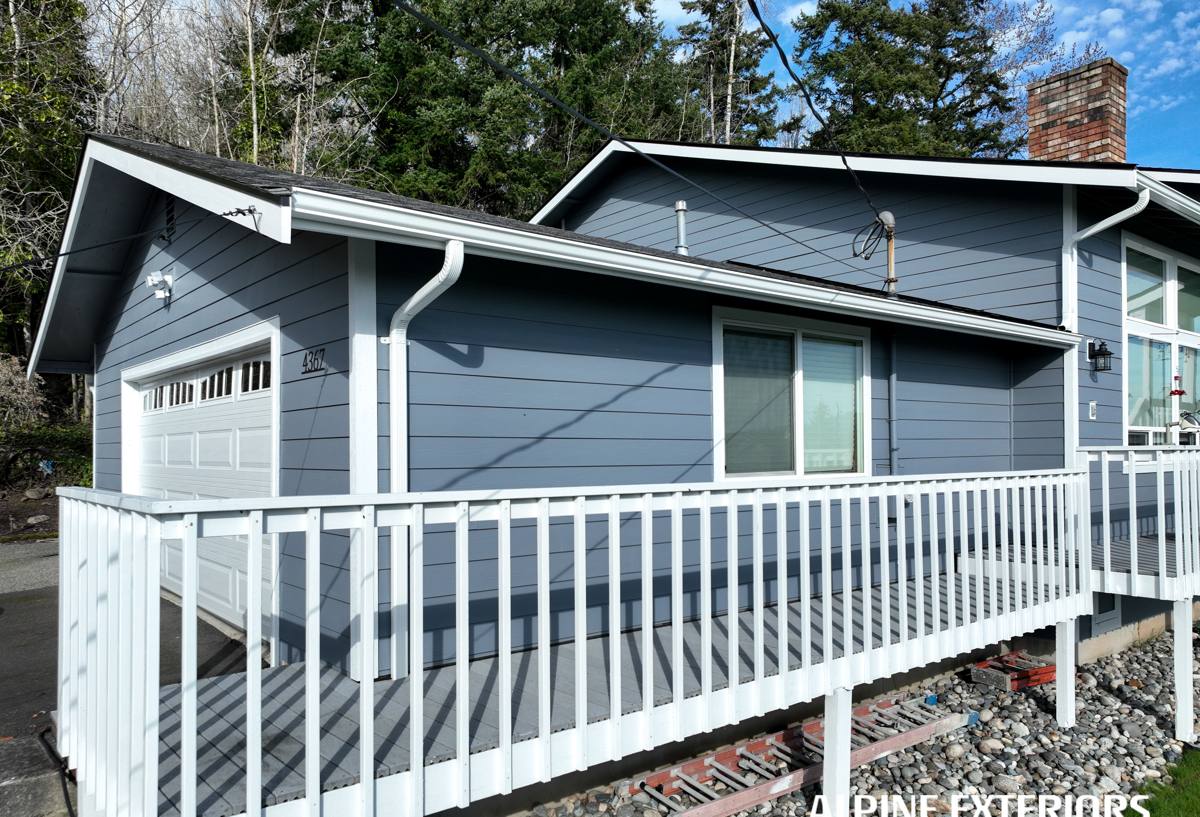
What This Climate Actually Demands From a Shingle Roof
Wind Rating and Fastening
Shingles sold in Florida are tested and rated for wind uplift resistance, and the Florida Building Code sets minimum requirements for wind-borne debris regions like Sarasota County. On Siesta Key, we don't treat those numbers as a ceiling to hit — we treat them as a starting point. That means using the manufacturer's high-wind nailing pattern (more fasteners per shingle, placed correctly, not just "enough" fasteners), proper starter strip at eaves and rakes, and sealant activation that actually bonds before the first storm rolls through. A shingle roof fails in wind almost always at the edges and the fasteners, not in the middle of the field — so that's where the extra care goes.
Underlayment as the Real Water Barrier
Wind-driven rain on a barrier island doesn't fall straight down — it gets pushed sideways and can work its way under shingles that are otherwise intact. That's why the underlayment layer matters as much as the shingle itself. A synthetic underlayment with taped or sealed seams, combined with self-adhering waterproof membrane at eaves, valleys, and any roof-to-wall transitions, gives the deck a real second line of defense. If the shingles ever get compromised in a storm, this layer is what keeps the water out of your attic and ceilings until repairs can be made.
Ventilation and Attic Moisture
Florida's heat and humidity put constant pressure on attic spaces. A shingle roof without proper intake and exhaust ventilation traps heat, which shortens shingle life from underneath, and traps moisture, which invites wood rot and mold in the deck and framing. Balanced ventilation — enough intake at the soffits and exhaust at or near the ridge — isn't a luxury upgrade on Siesta Key, it's part of what keeps a shingle warranty valid and the roof deck sound long term.
Signs Your Siesta Key Roof Needs a Closer Look
Salt air and UV exposure don't always announce themselves with an obvious leak. Most shingle roofs on the island show warning signs well before water actually gets inside. Worth checking for, or asking us to check for during a free inspection:
- Granules collecting in gutters, downspouts, or on the ground after rain — a sign shingles are breaking down
- Shingles that look curled, cupped, or have lifted edges, especially on south- and west-facing slopes
- Cracked or split shingles, which often show up first around vents, chimneys, and flashing
- Missing shingles or exposed nail heads after any named storm or strong wind event
- Rust streaks or corrosion around metal flashing, vent boots, or drip edge
- Soft or spongy spots when walking the roof, which can mean deck damage underneath
- Daylight visible through the roof deck from inside the attic
- A roof approaching or past the 15–20 year mark without a full inspection on record
Catching these early is almost always cheaper than waiting for a leak to show up on a ceiling, and it's the difference between a targeted repair and a full replacement.
How We Handle a Shingle Roofing Job on Siesta Key
Our process doesn't change because a house is on the island, but our attention to certain steps does. Here's the general sequence for a full replacement:
- Inspection and scope. We look at the existing roof, the deck condition, flashing points, and ventilation before quoting anything — not just from the ground, but on the roof itself where it's safe to do so.
- Tear-off and deck check. Old shingles and underlayment come off completely so we can see the actual deck. Any soft, rotted, or delaminated plywood gets identified and replaced — this is not a step we skip to save time.
- Deck prep and drip edge. Fasteners are checked, drip edge is installed at eaves and rakes to direct water properly off the roof edge and protect the fascia.
- Underlayment installation. Synthetic underlayment across the field, with self-adhering waterproof membrane at vulnerable points — valleys, eaves, and roof penetrations.
- Flashing. New flashing at chimneys, walls, and any roof-to-wall transitions, since old or corroded flashing is one of the most common leak sources on older Gulf-front homes.
- Shingle installation. Installed to the manufacturer's high-wind specification, with correct nail placement and count, starter strips, and ridge cap.
- Ventilation check. Intake and exhaust confirmed and corrected if the existing setup was inadequate.
- Final walkthrough and cleanup. Job site cleared, nails swept with a magnetic sweep, and the finished roof reviewed with the homeowner.
Choosing a Shingle for This Environment
Not every asphalt shingle product is built the same way, and the right choice depends on how much upfront investment you want to make versus long-term durability and insurance considerations. Here's a general comparison of the main categories available for a Siesta Key home:
| Shingle Type | Wind Performance | Typical Lifespan | Upfront Cost | Best Fit |
|---|---|---|---|---|
| 3-tab | Lower wind rating, thinner profile | Shorter end of the range | Most budget-friendly | Cost-sensitive projects, secondary structures |
| Architectural / dimensional | Higher wind rating, laminated construction | Mid-to-long range | Mid-range | Most Siesta Key homes — our default recommendation |
| Impact-rated (Class 4) | Highest wind and impact resistance | Long range, holds up well to debris strikes | Higher upfront cost | Homes seeking maximum storm resilience or insurance premium credits |
Impact-rated shingles often qualify homeowners for a discount on wind insurance premiums, which can offset some of the higher upfront cost over time — worth asking your insurance agent about directly, since credits vary by carrier and policy.
Permits, Codes, and Insurance Documentation
Reroofing on Siesta Key requires a permit through Sarasota County, and the work has to meet current Florida Building Code requirements for this wind-borne debris region — that covers everything from the underlayment system to the fastening schedule. We pull permits, schedule required inspections, and provide the documentation homeowners need for insurance purposes, including proof of code-compliant installation that many carriers now ask for at renewal, especially on older homes. Skipping or shortcutting this paperwork might save a few days on a project timeline, but it can cost a homeowner an insurance claim or a resale headache later — it's not a corner we cut.
Why a Crew That Already Works Siesta Key Matters
A barrier island isn't logistically the same as a mainland subdivision. Material deliveries, dumpster placement, and crew access all have to work around bridge traffic, narrow lots, and, during season, more congestion than most job sites deal with. A crew that already works this island on a regular basis knows how to schedule around that instead of losing a day to it. More importantly, we see how shingle roofs on Siesta Key actually age — which slopes take the worst UV exposure, which flashing details tend to corrode first in this salt air, and which installation shortcuts show up as problems in year three instead of year fifteen. That's knowledge you don't get installing roofs mostly inland and occasionally crossing over to the coast.
After a storm, being a local Sarasota crew also means faster response for tarping and emergency repairs — we're not driving in from another county to get to you.
Maintenance That Actually Extends Roof Life Here
Asphalt shingle roofs on Siesta Key benefit from a level of upkeep that inland roofs can often skip. A few habits make a real difference:
- Annual visual inspection, ideally before hurricane season and again after any major storm
- Keeping gutters and valleys clear so wind-driven rain has a clear path off the roof
- Trimming overhanging vegetation that holds moisture against shingles and drops debris
- Rinsing off salt residue and organic buildup periodically rather than letting it sit
- Prompt repair of any lifted or missing shingles rather than waiting for the next storm to make it worse
If you're weighing a repair against a full replacement, or just want an honest read on where your current roof stands, we're happy to take a look. Reach out for a free, no-pressure estimate using the form below.